Created by Laszlo Barath
Senior Creative Engineer | Full-Stack Software Architect Web-Based CAD, Parametric Systems & Logic-Driven UI
I design and build complex, logic-driven web systems where engineering precision meets creative execution.
My work focuses on parametric thinking, scalable system architecture, and interactive user experiences.
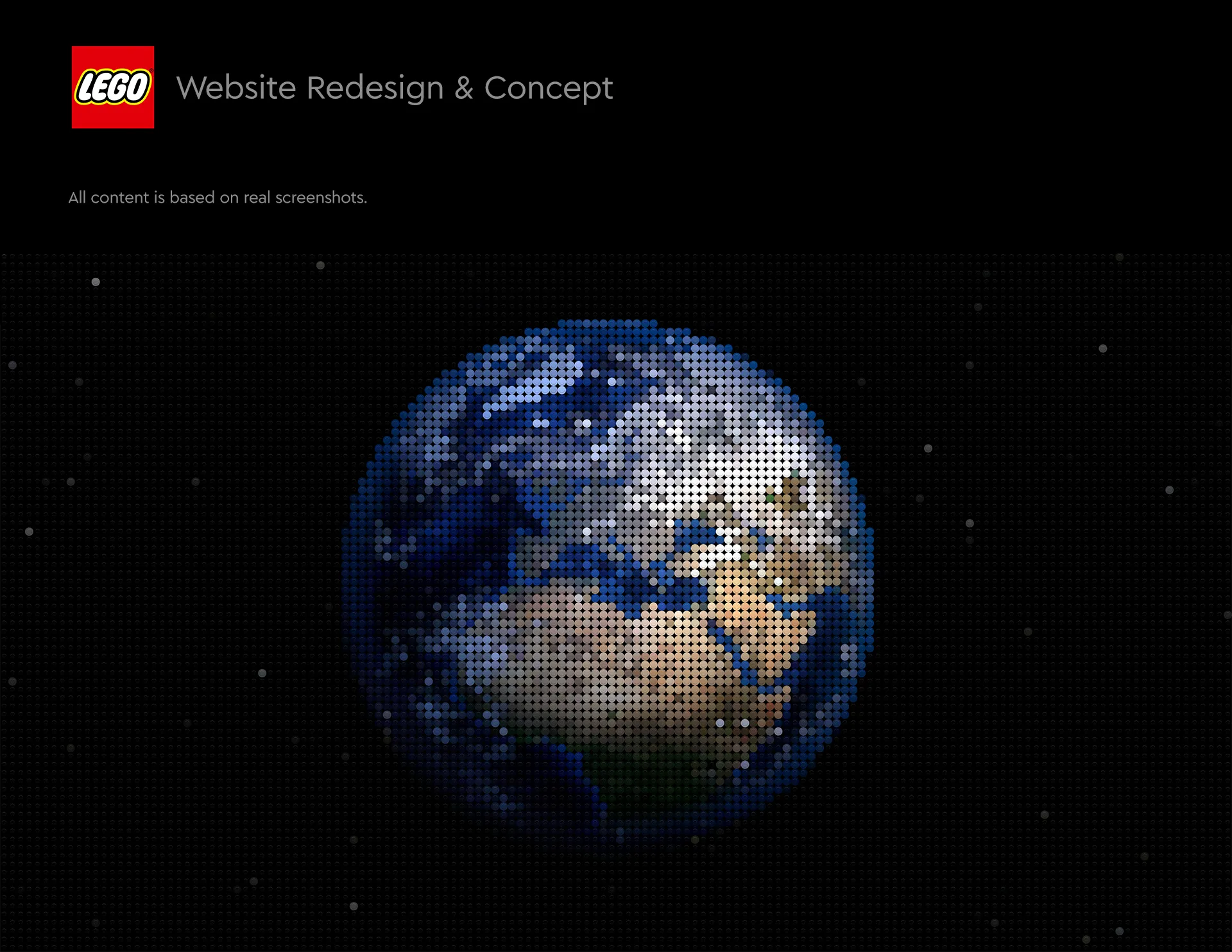
LEGO® Website-Redesign & Konzept – UI/UX-Fallstudie
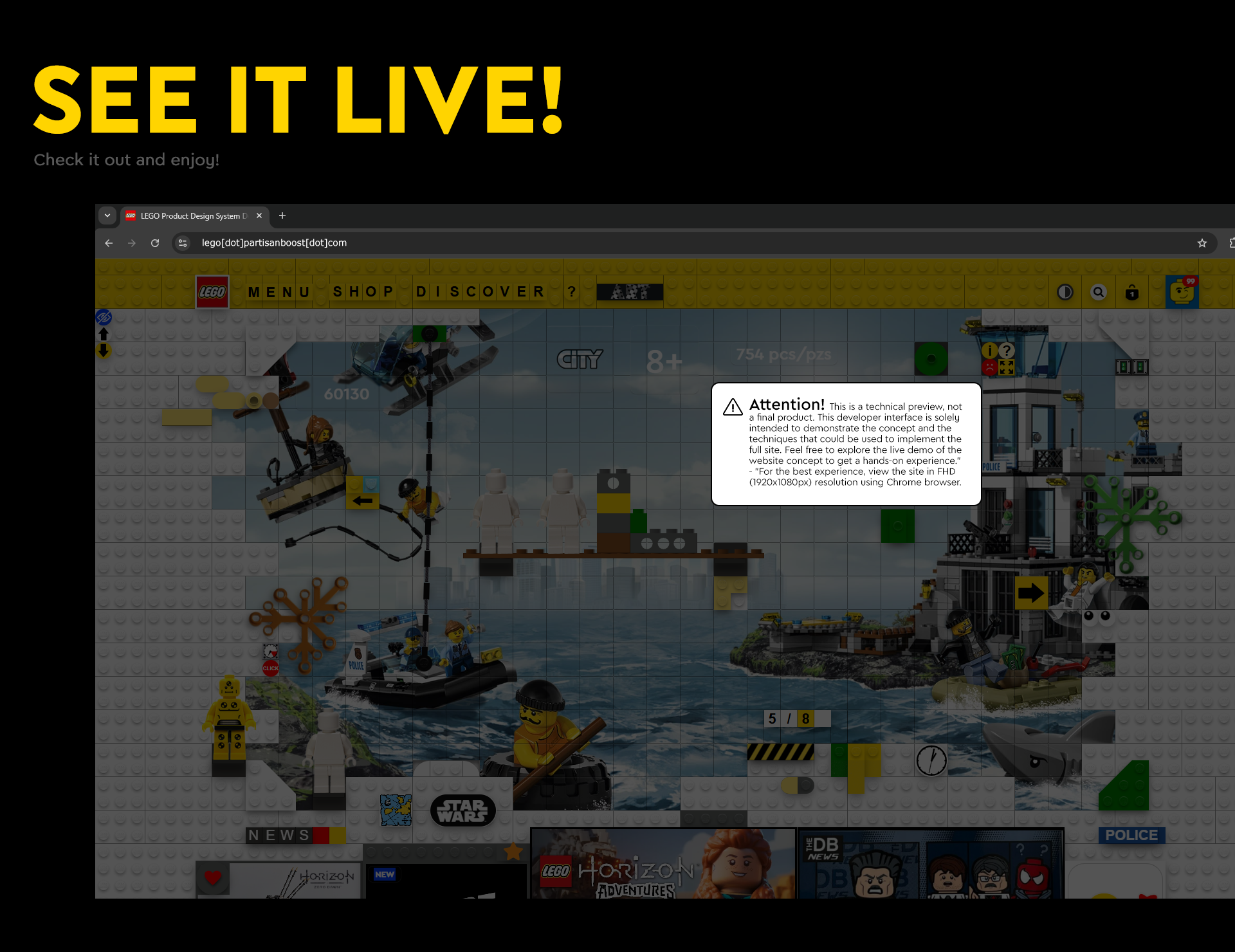
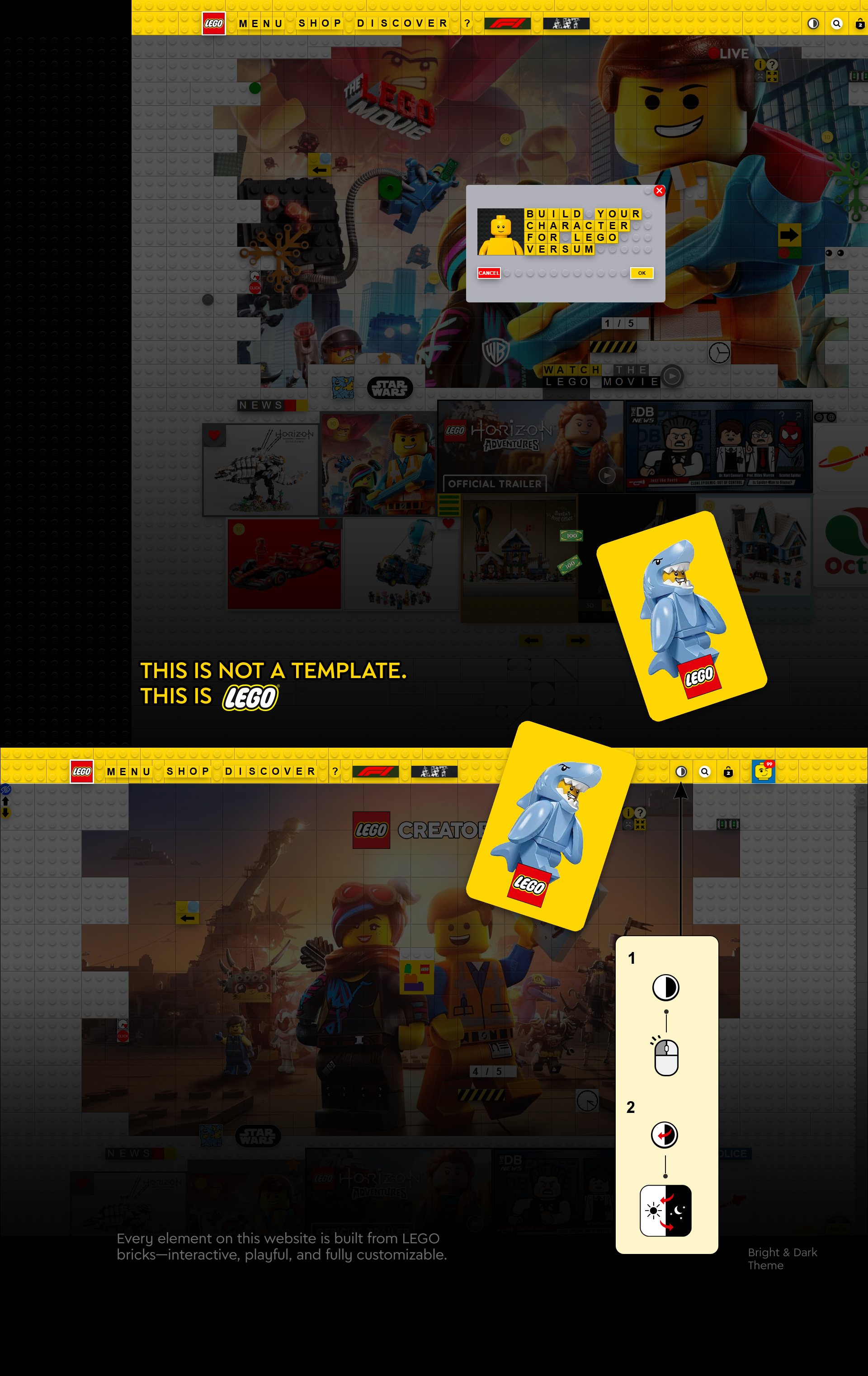
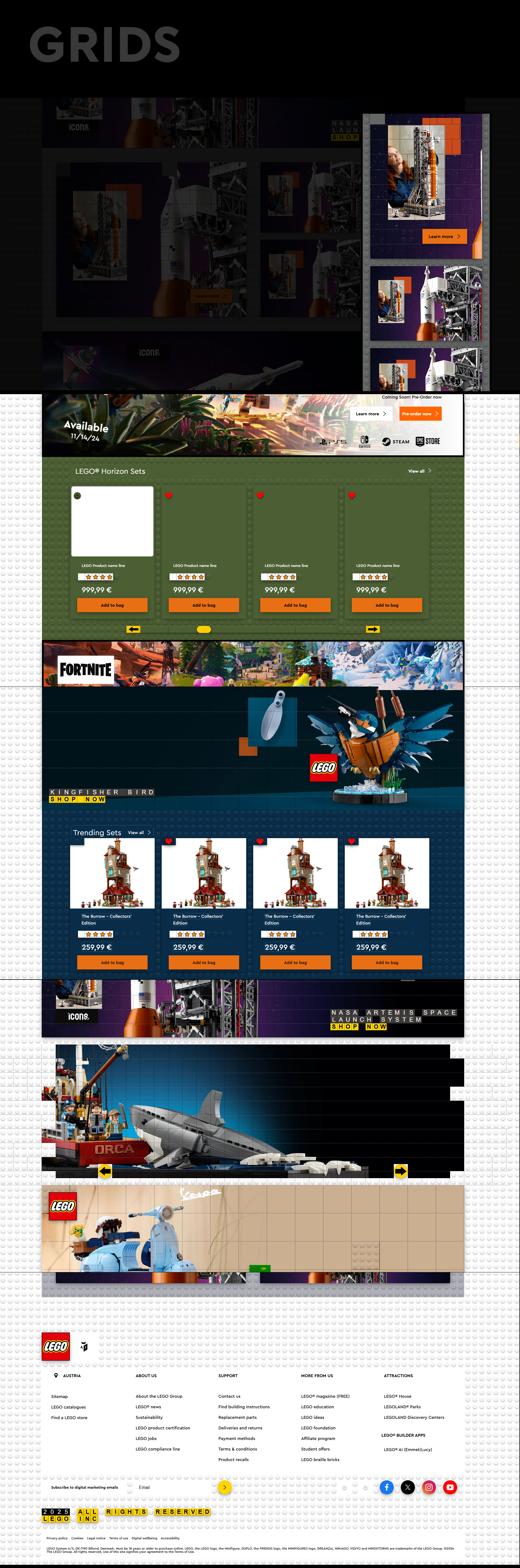
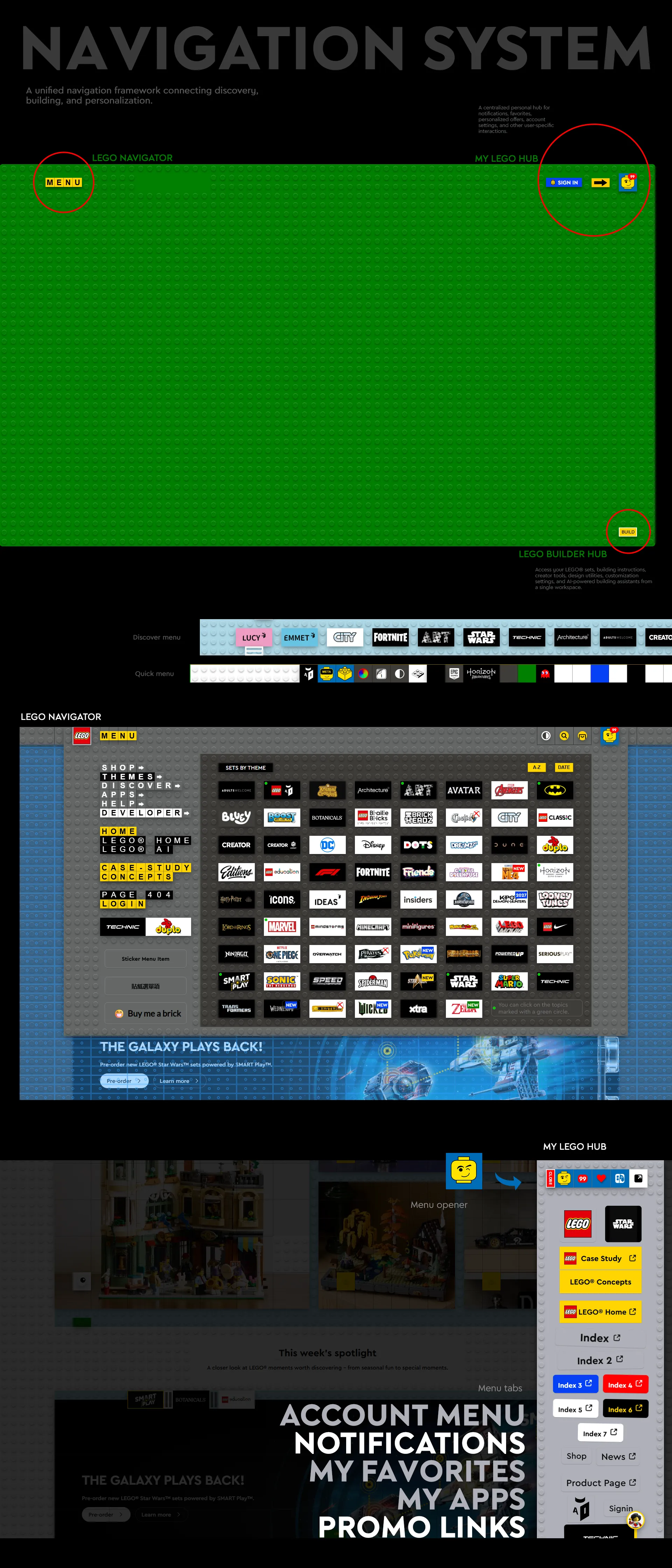
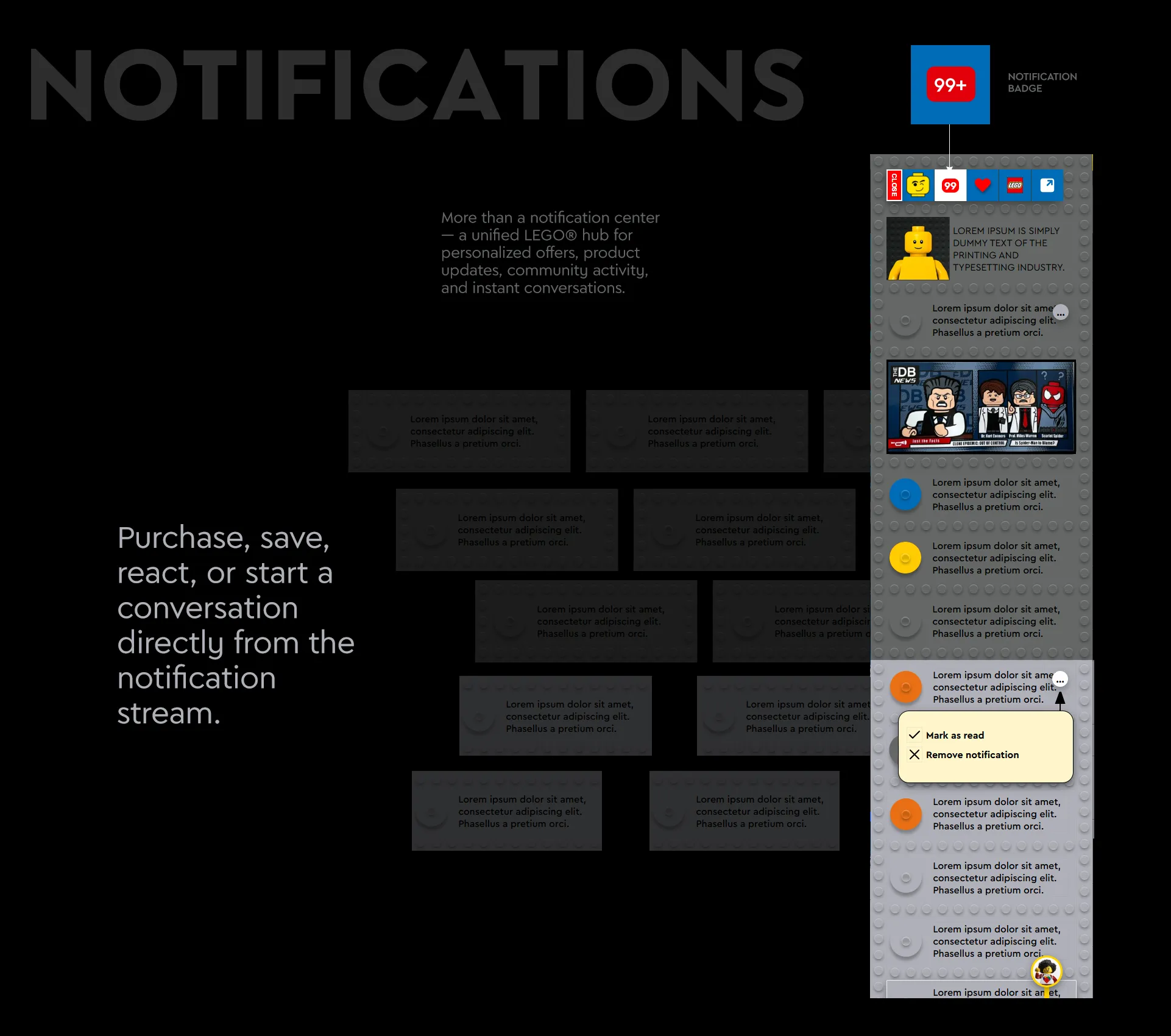
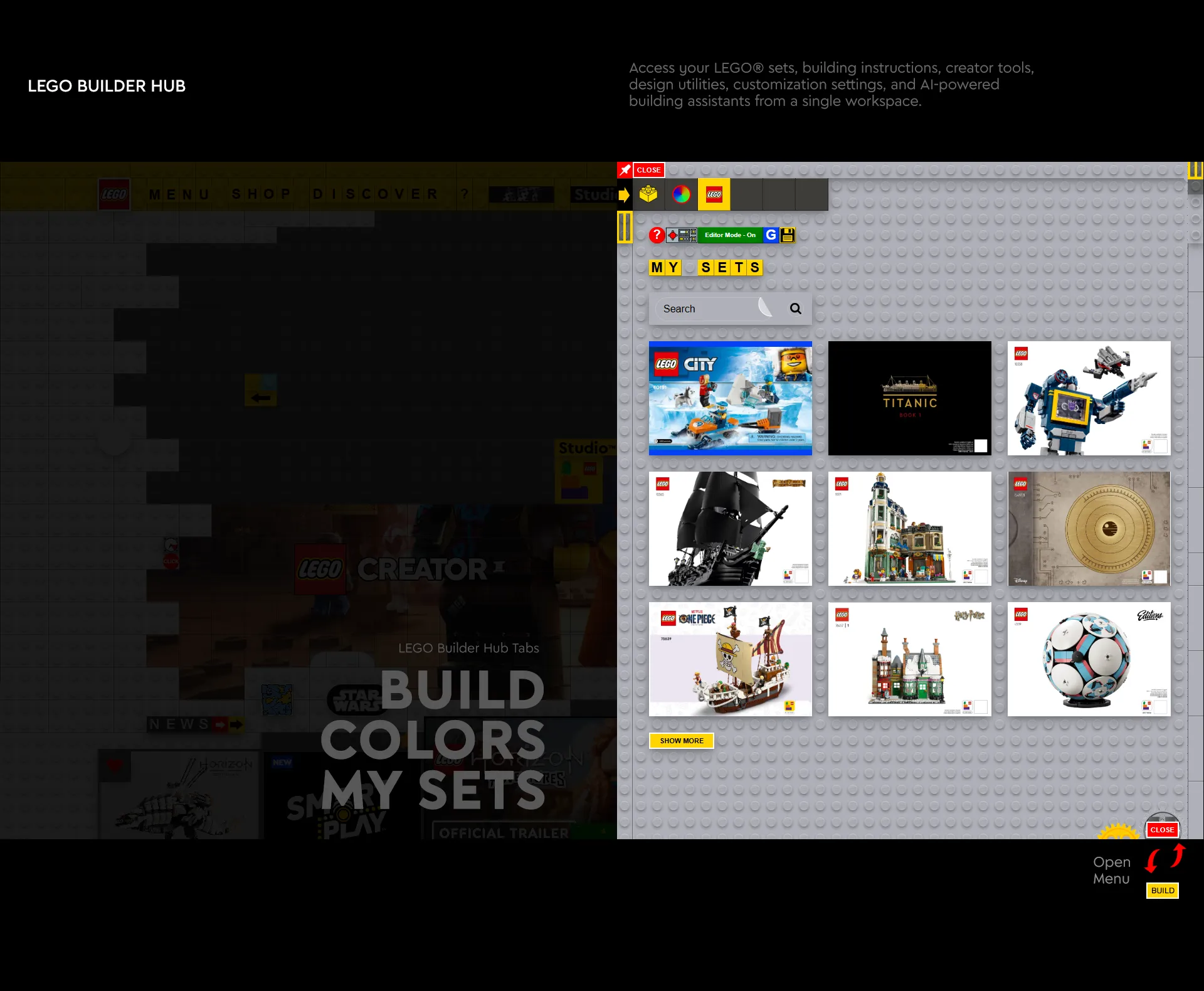
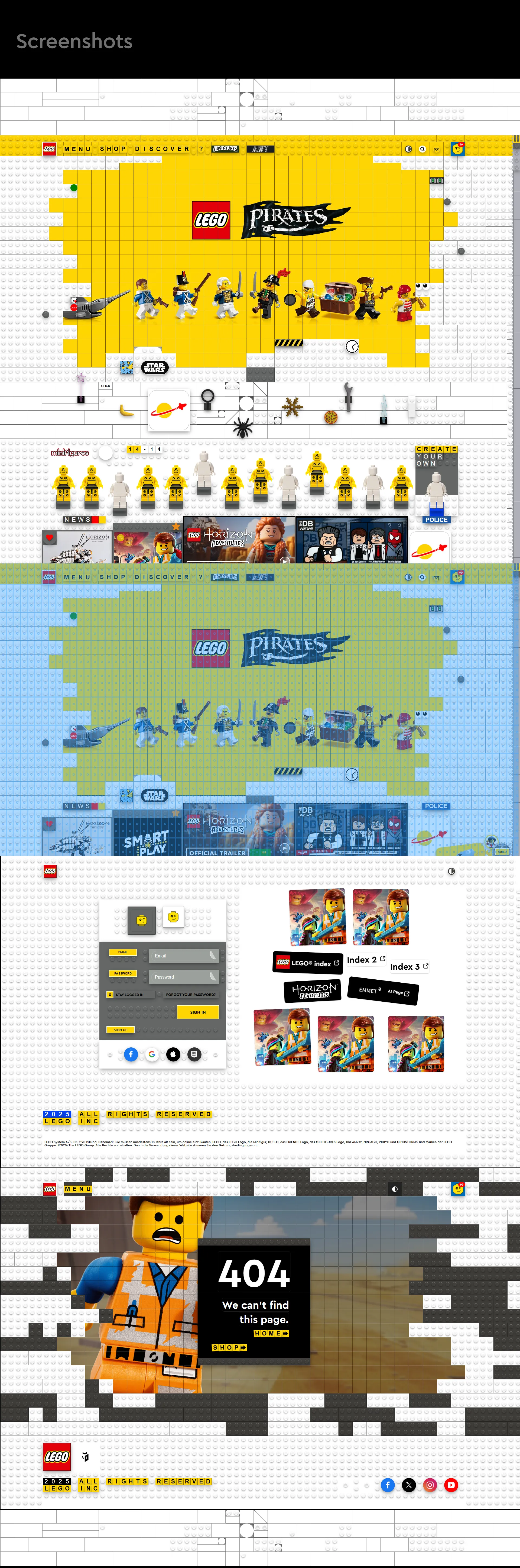
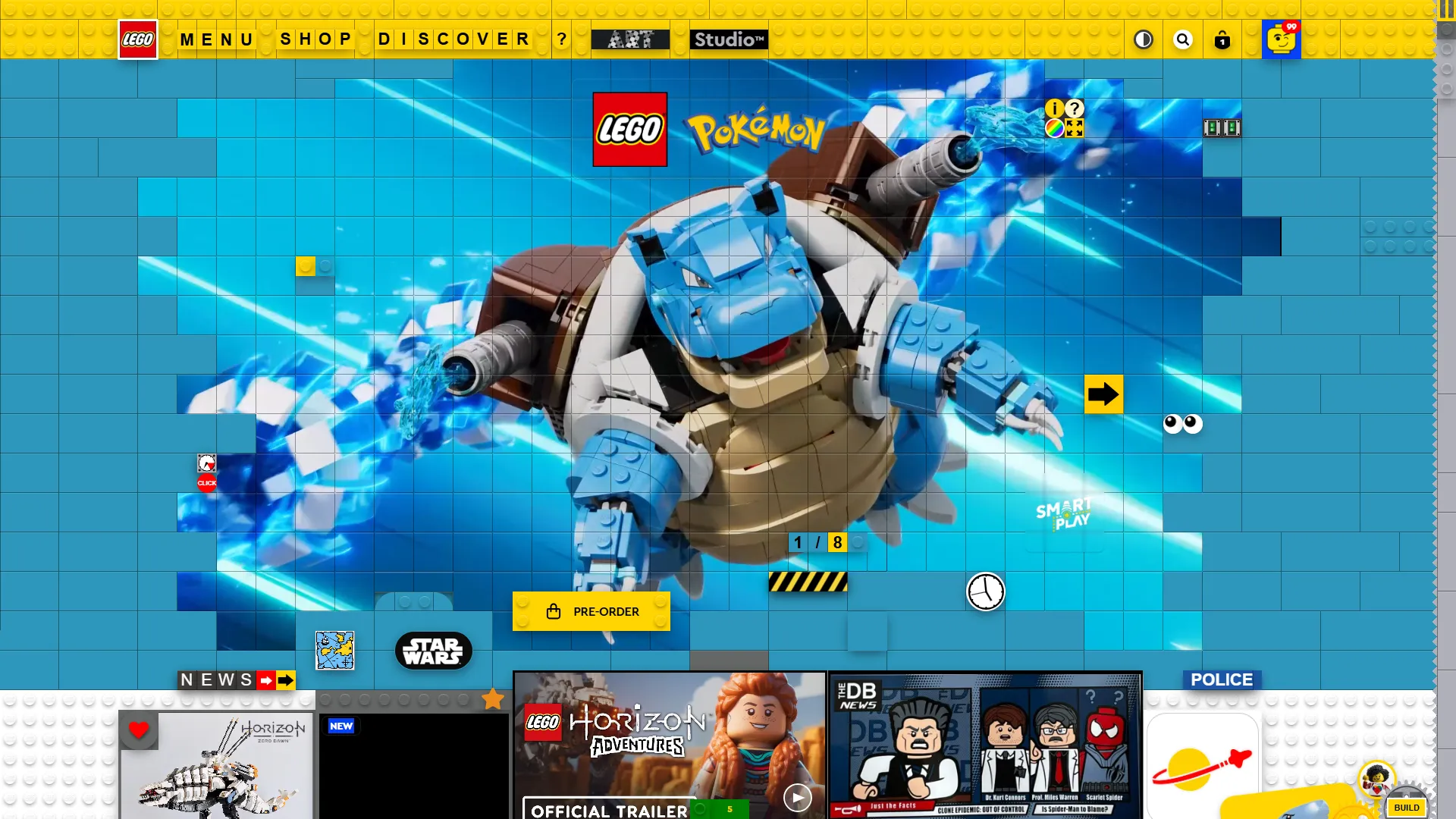
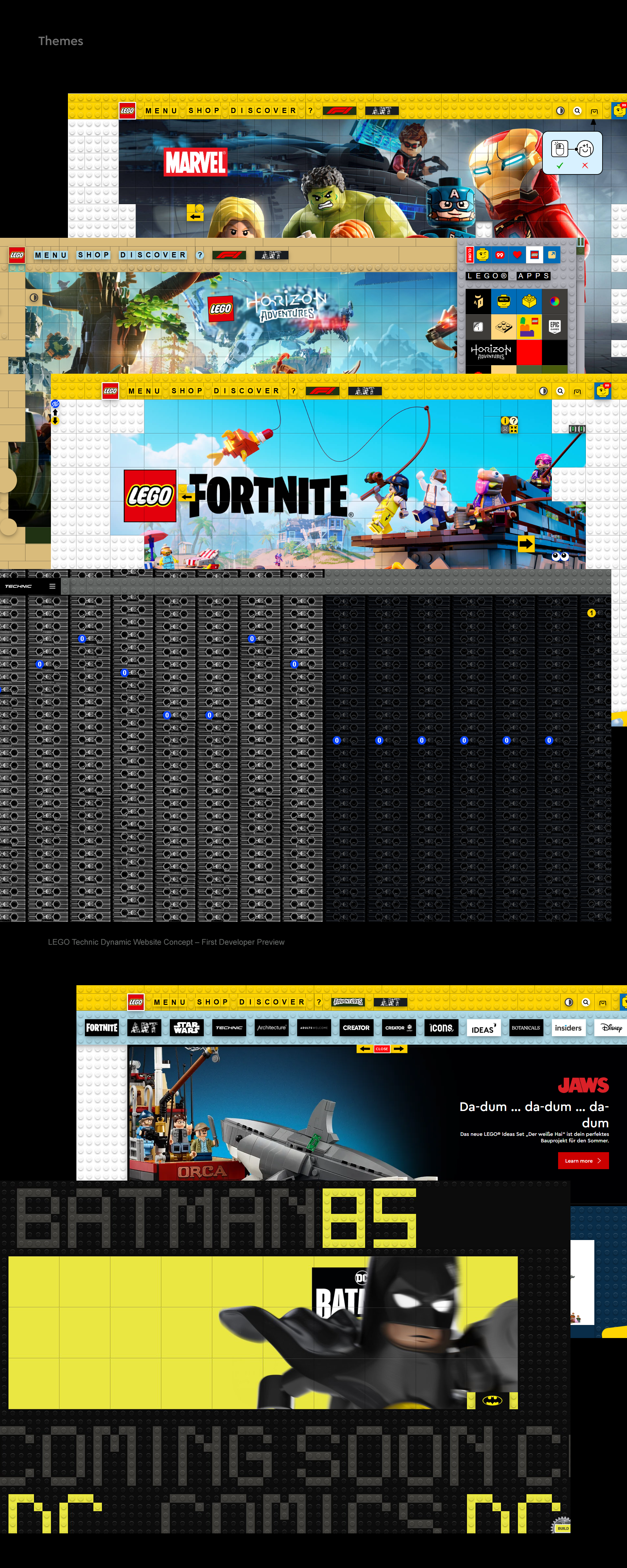
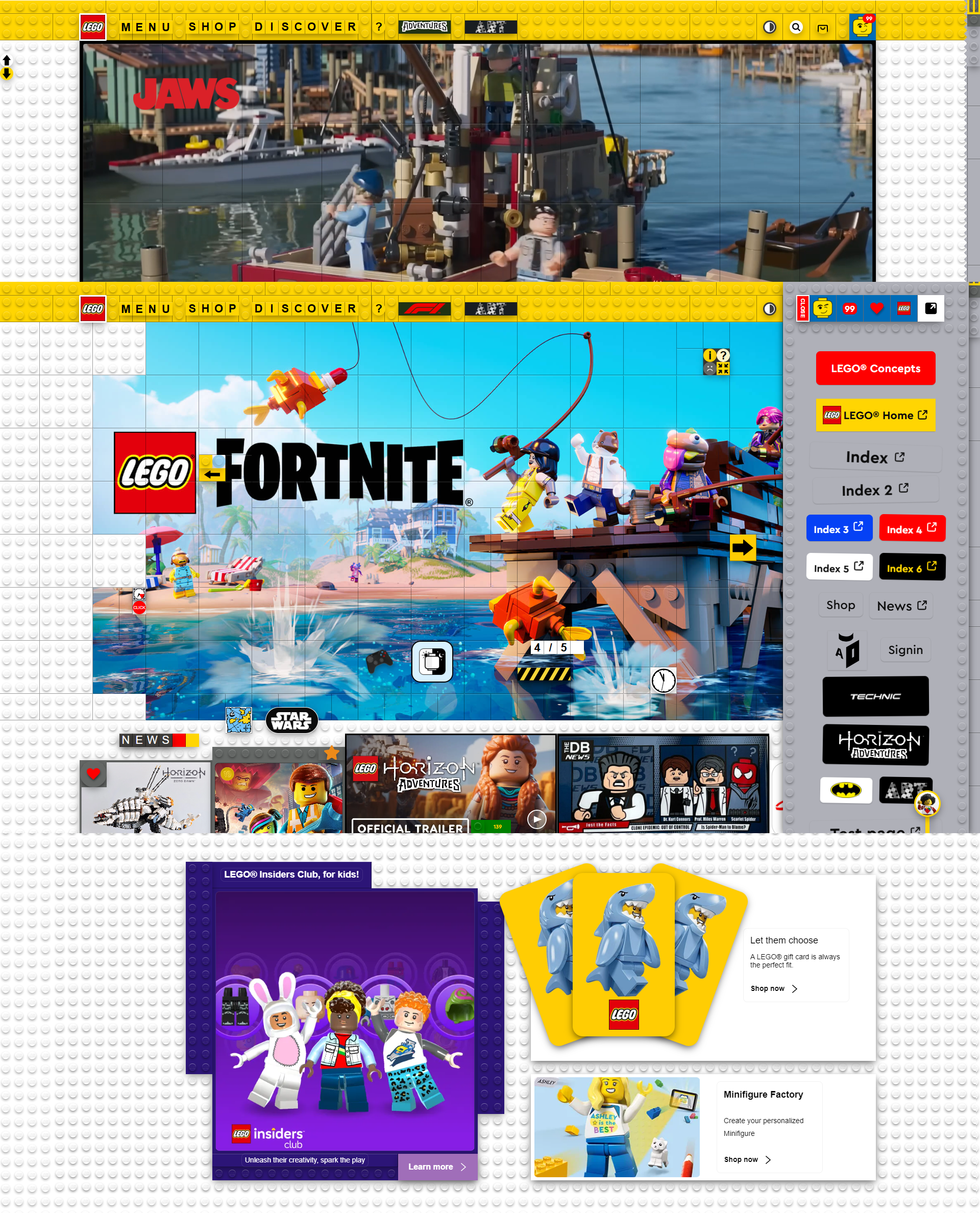
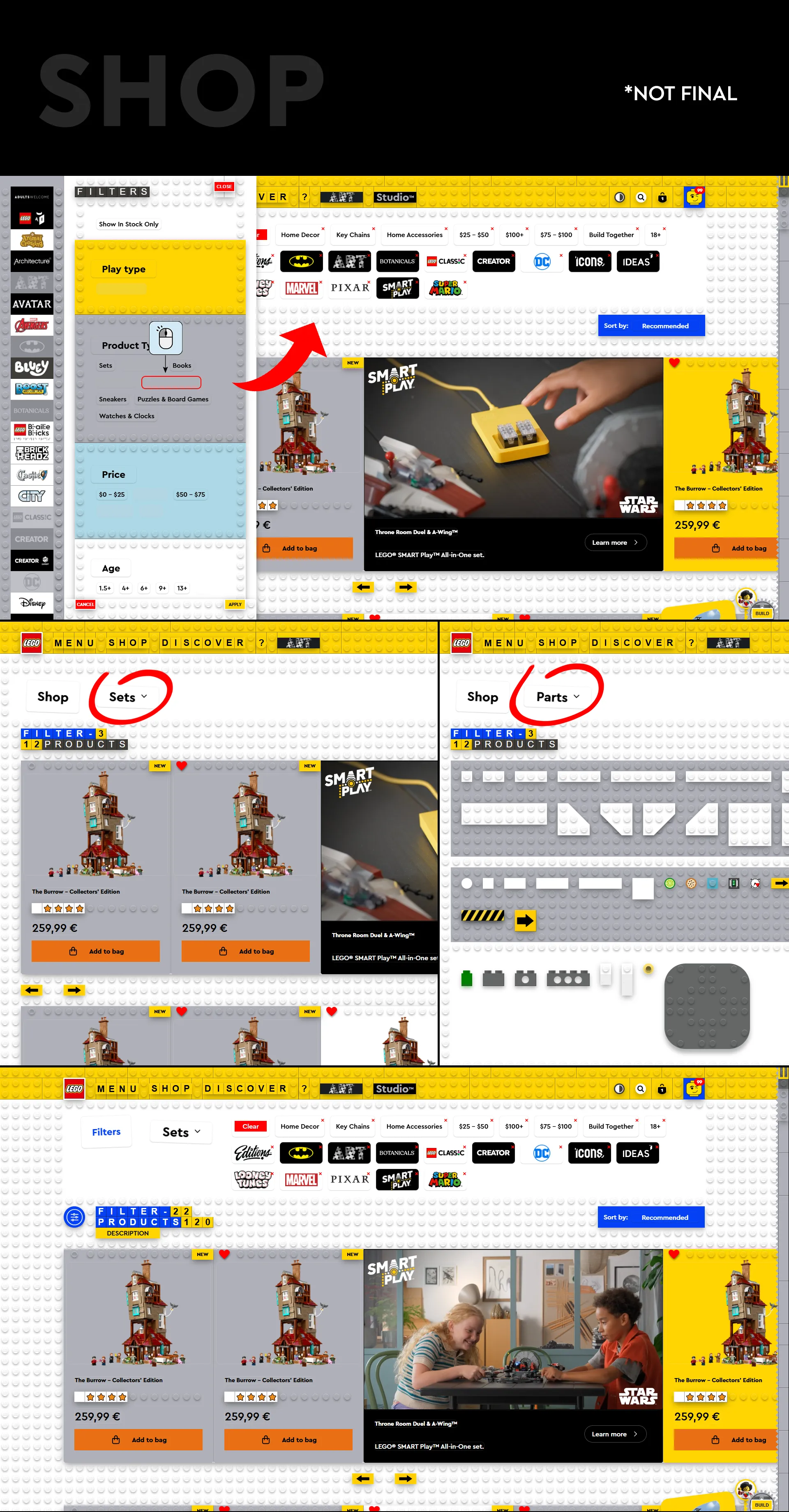
Ein vollständig interaktives und funktionsfähiges LEGO® Website-Redesign-Konzept – vollständig aus 2D-, 3D- und hybriden LEGO-Elementen entwickelt. Es umfasst bearbeitbare Kacheln, Sticker, Themes und Muster sowie eine eigene JavaScript-Engine in Echtzeit, die du direkt live ausprobieren kannst.
Der Schwerpunkt liegt darauf, die physische modulare Logik in ein skalierbares digitales UI-System zu übertragen.
Eine kurze Bildschirmaufnahme
die zeigt, wie das System in der Praxis funktioniert.
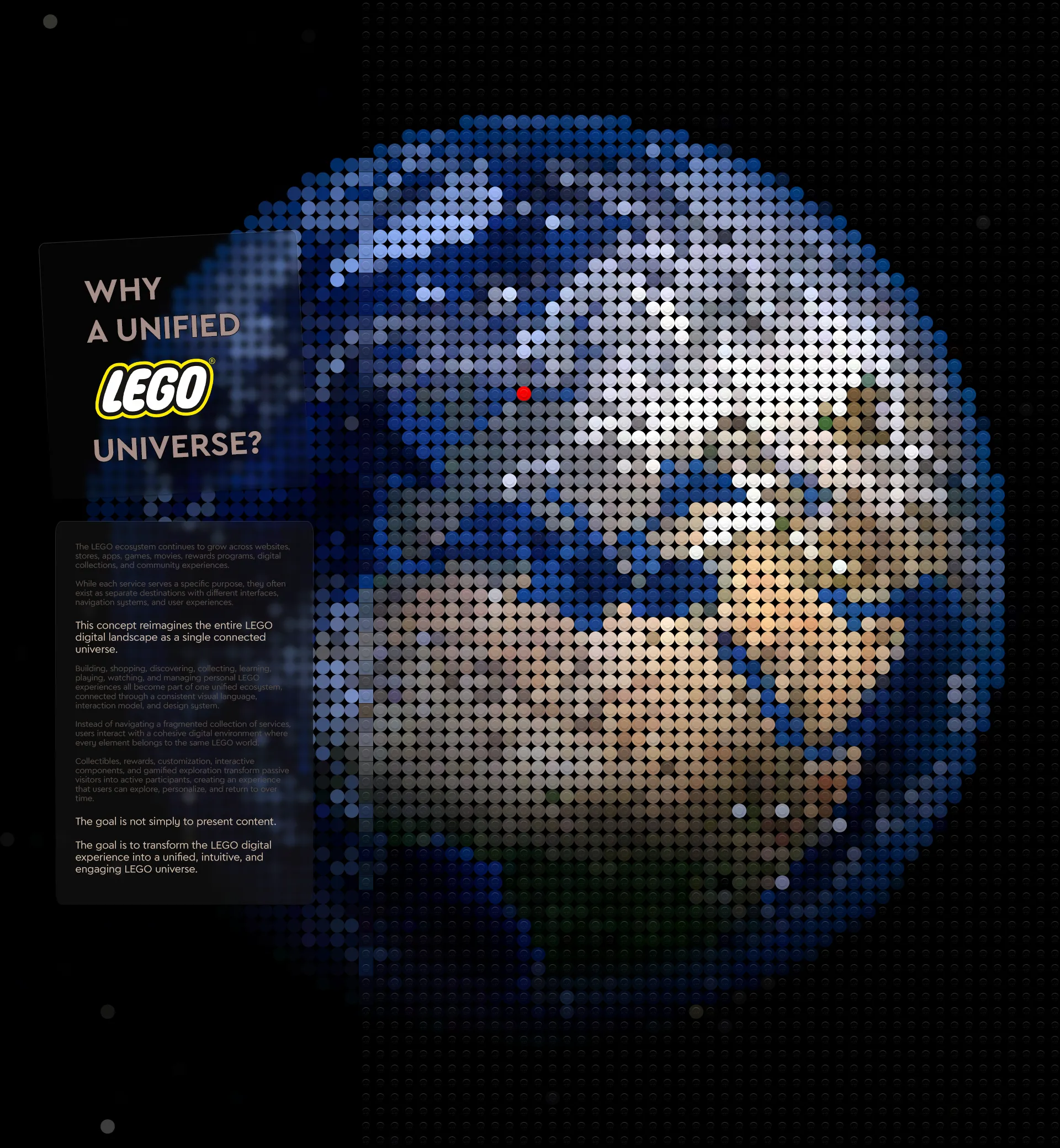
Warum ein einheitliches LEGO-Universum?
Das LEGO-Ökosystem wächst kontinuierlich über Websites, Stores, Apps, Spiele, Filme, Bonusprogramme, digitale Sammlungen und Community-Erlebnisse hinweg. Während jeder Dienst einen bestimmten Zweck erfüllt, existieren diese Angebote häufig als separate Bereiche mit unterschiedlichen Benutzeroberflächen, Navigationssystemen und Nutzererlebnissen. Dieses Konzept denkt die gesamte digitale LEGO-Landschaft als ein einziges verbundenes Universum neu. Bauen, Einkaufen, Entdecken, Sammeln, Lernen, Spielen, Ansehen und die Verwaltung persönlicher LEGO-Erlebnisse werden Teil eines einheitlichen Ökosystems, das durch eine konsistente visuelle Sprache, ein einheitliches Interaktionsmodell und ein gemeinsames Designsystem verbunden ist. Statt durch eine fragmentierte Sammlung verschiedener Dienste zu navigieren, bewegen sich Nutzer in einer zusammenhängenden digitalen Umgebung, in der jedes Element zur selben LEGO-Welt gehört. Sammelobjekte, Belohnungen, Individualisierung, interaktive Komponenten und spielerisches Erkunden verwandeln passive Besucher in aktive Teilnehmer und schaffen ein Erlebnis, das Nutzer erkunden, personalisieren und immer wieder aufsuchen können. Das Ziel besteht nicht lediglich darin, Inhalte zu präsentieren. Das Ziel ist es, das digitale LEGO-Erlebnis in ein einheitliches, intuitives und fesselndes LEGO-Universum zu verwandeln.
Die Herausforderung & Die Vision
Traditionelle Marken-Websites erzwingen häufig einen Kompromiss: Entweder setzen sie auf konventionelle, statische Layouts, die den Charakter der Marke nicht vollständig vermitteln, oder sie sind auf umfangreiche 3D-Runtimes angewiesen, die sich negativ auf Performance, Barrierefreiheit und SEO auswirken.
Für LEGO ist diese Herausforderung noch größer. Das physische Produkt ist von Natur aus modular, haptisch, kreativ und interaktiv, doch die meisten digitalen Erlebnisse reduzieren es auf eine standardmäßige Weboberfläche.
Mein Ziel war es zu untersuchen, ob ein von LEGO inspiriertes digitales Ökosystem diese Eigenschaften bewahren kann und gleichzeitig schnell, barrierefrei, SEO-freundlich und leichtgewichtig genug bleibt, um vollständig im Browser und ohne externe 3D-Engines zu laufen.
Meine Rolle
Ganzheitliche Creative Direction, Produktvision,
UI/UX-Architektur, Entwicklung des Designsystems
und Entwicklung einer eigenen Rendering Engine.
Kernphilosophie
"Ein von LEGO inspiriertes digitales Erlebnis, ohne Performance, SEO oder Geschwindigkeit zu opfern."

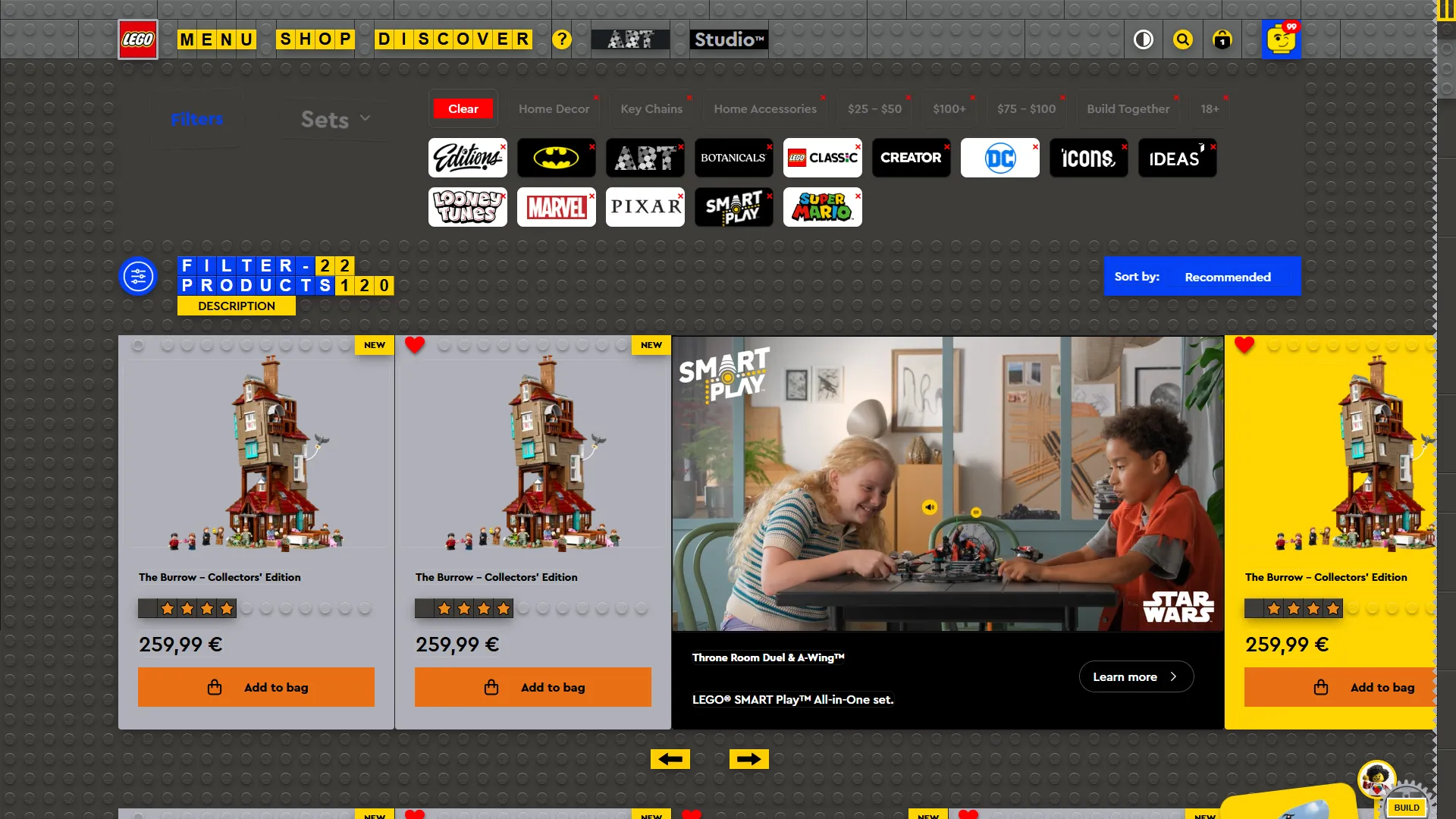
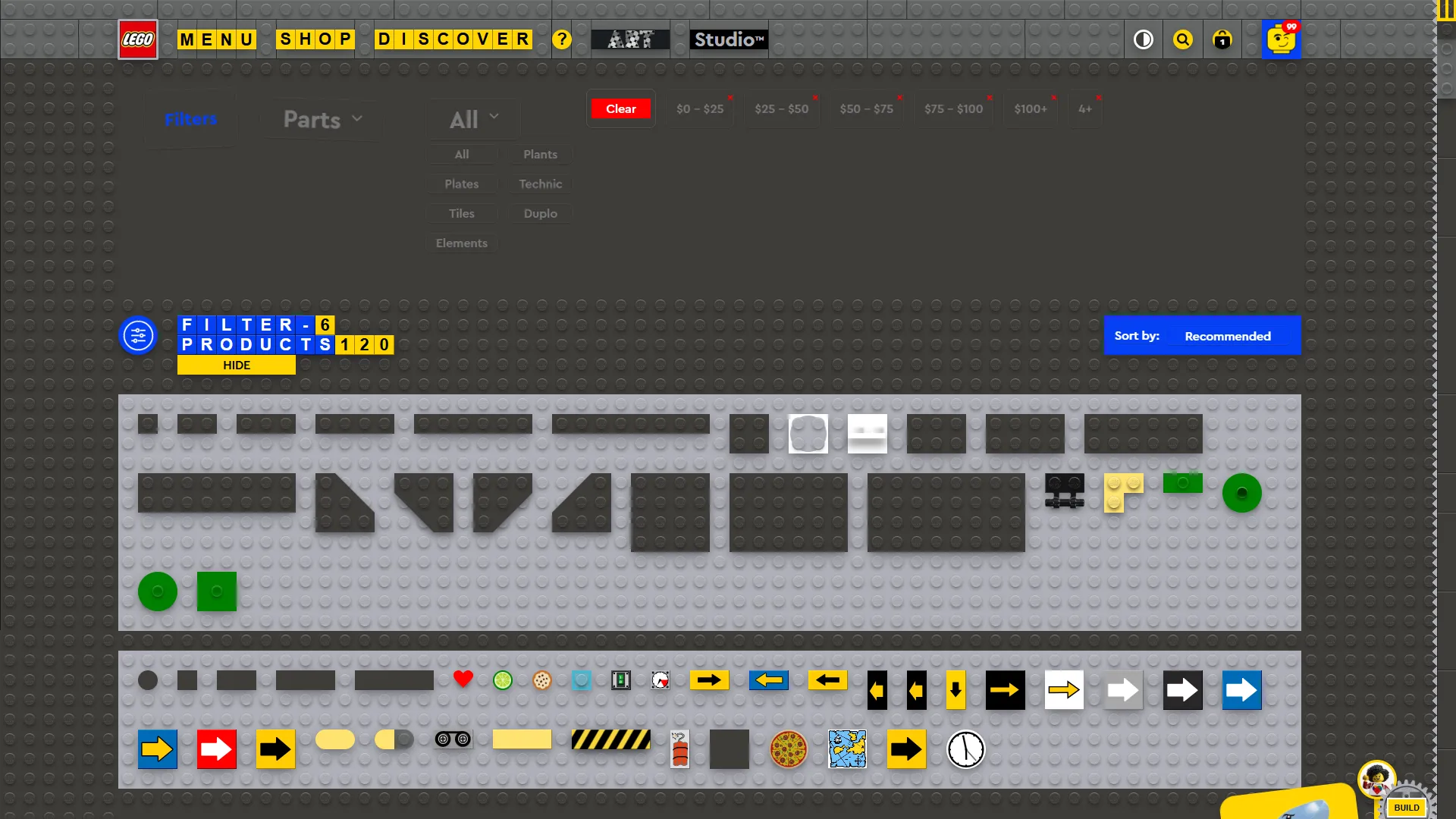
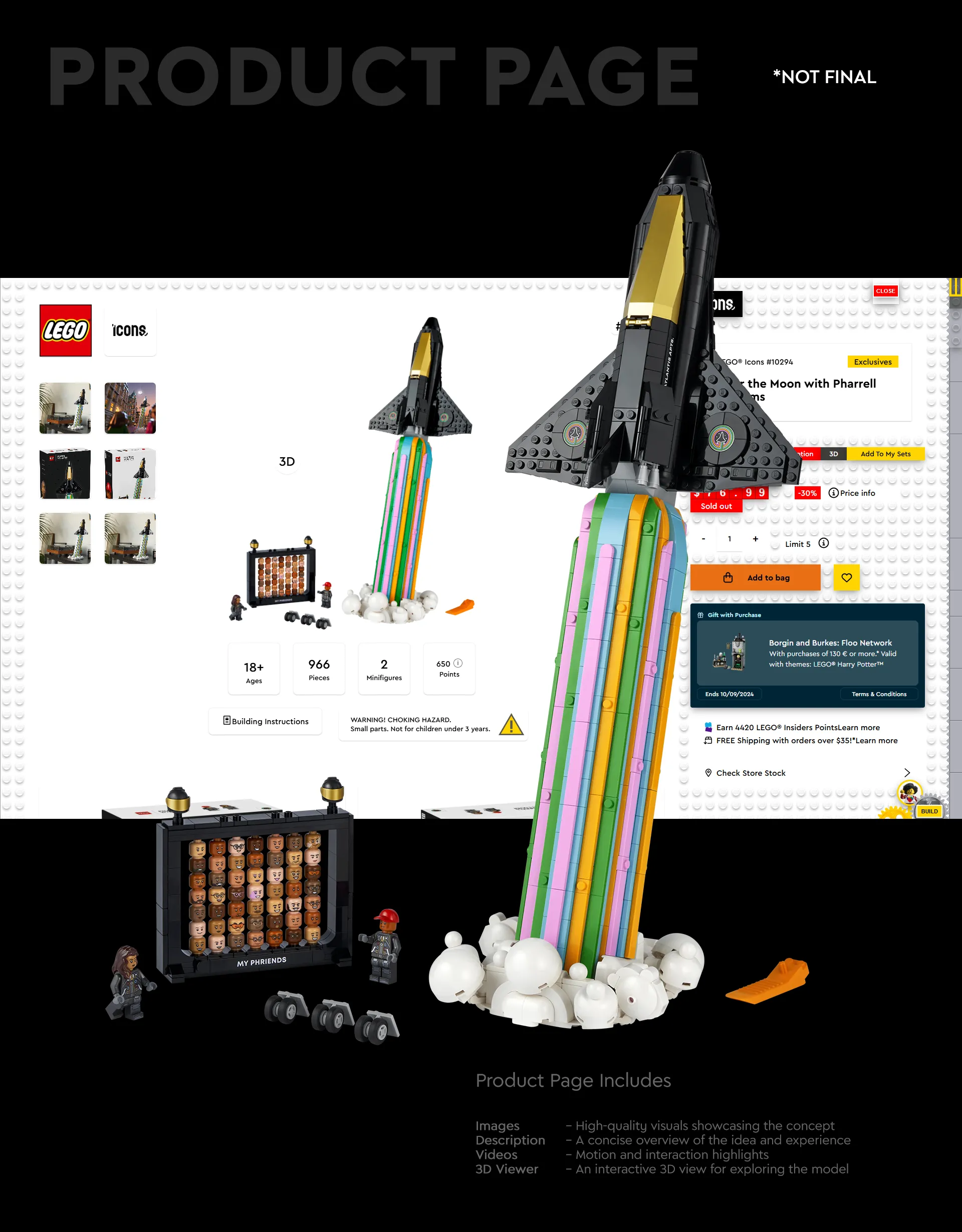
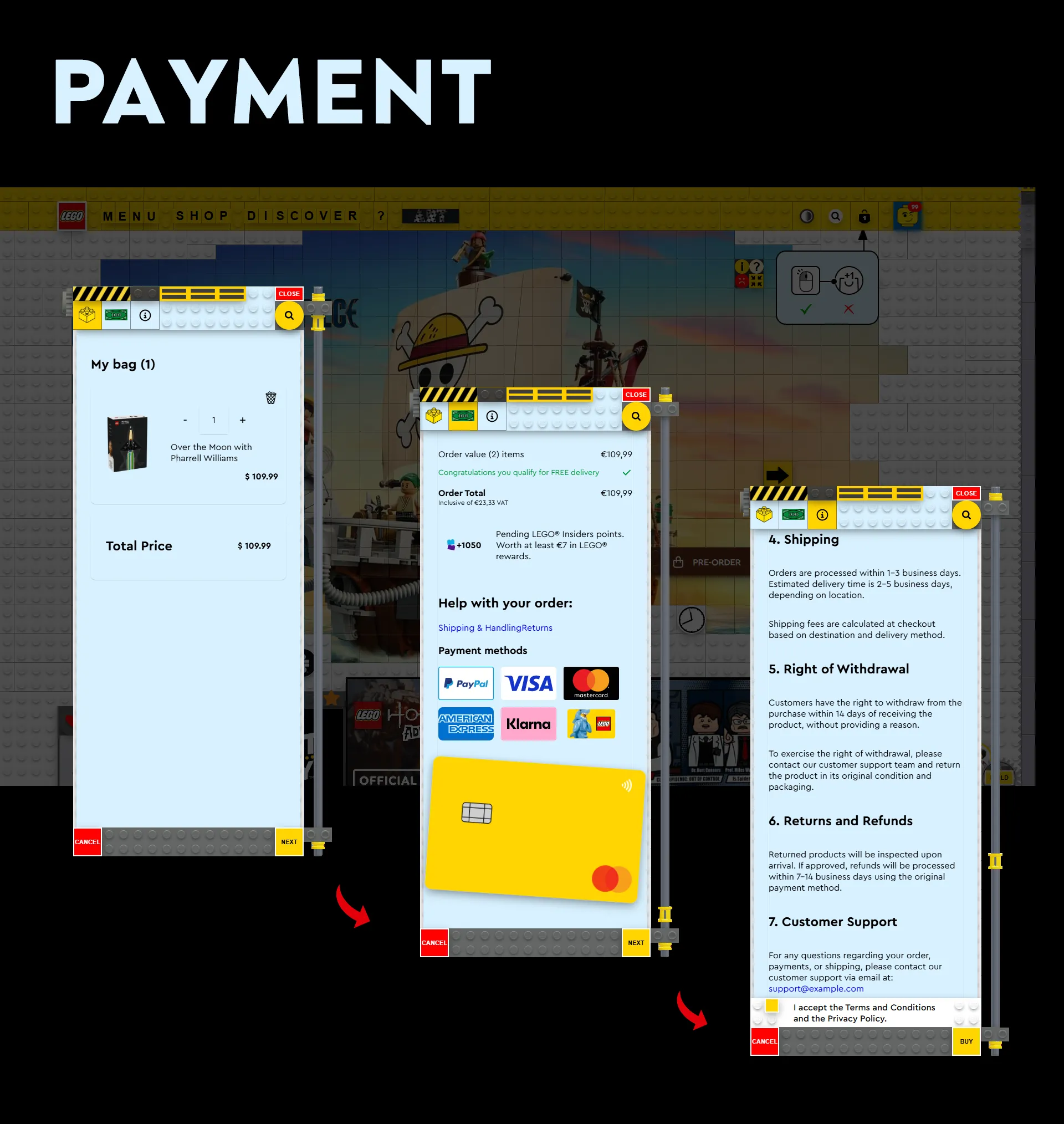

Recolor-System
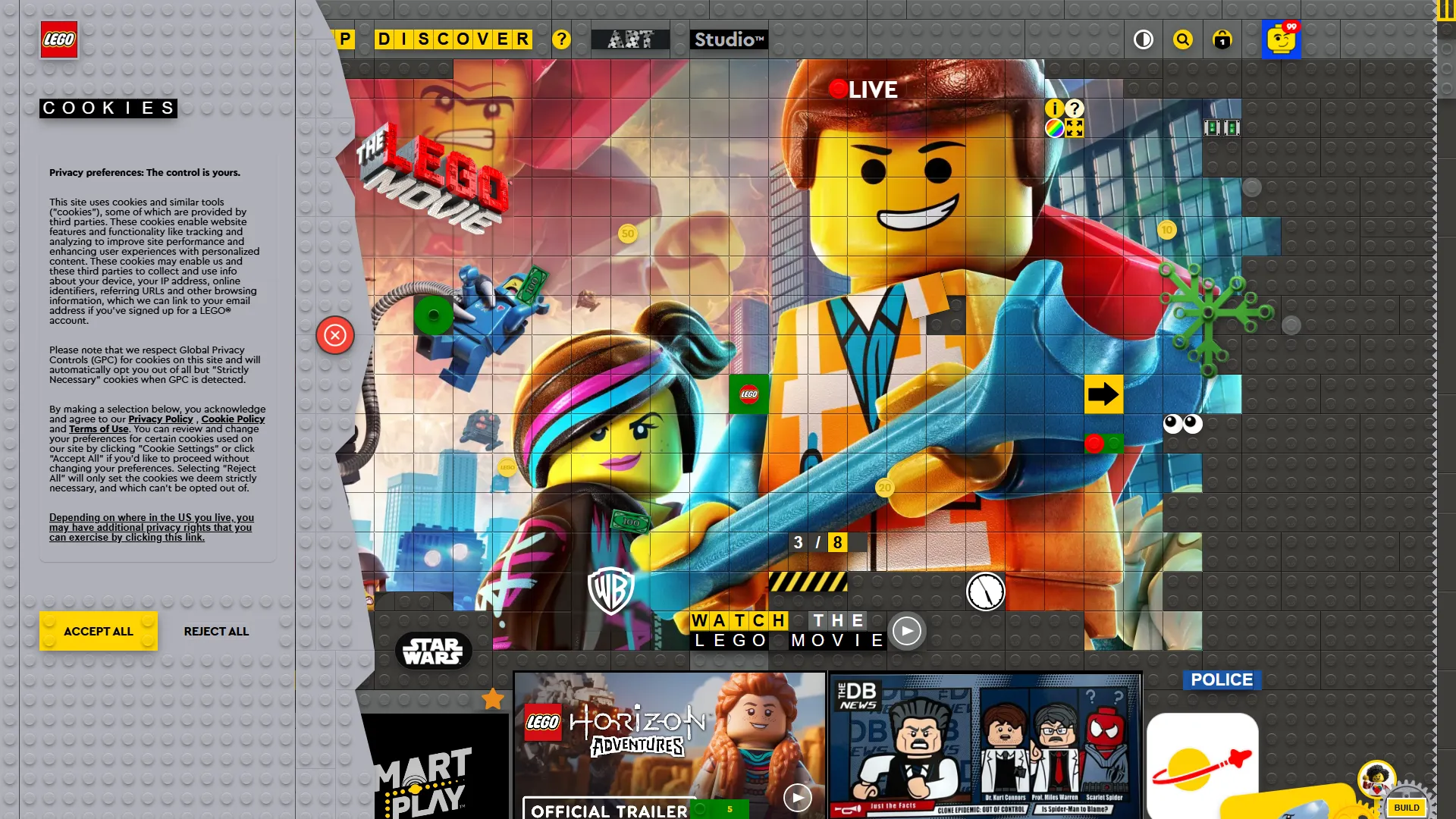
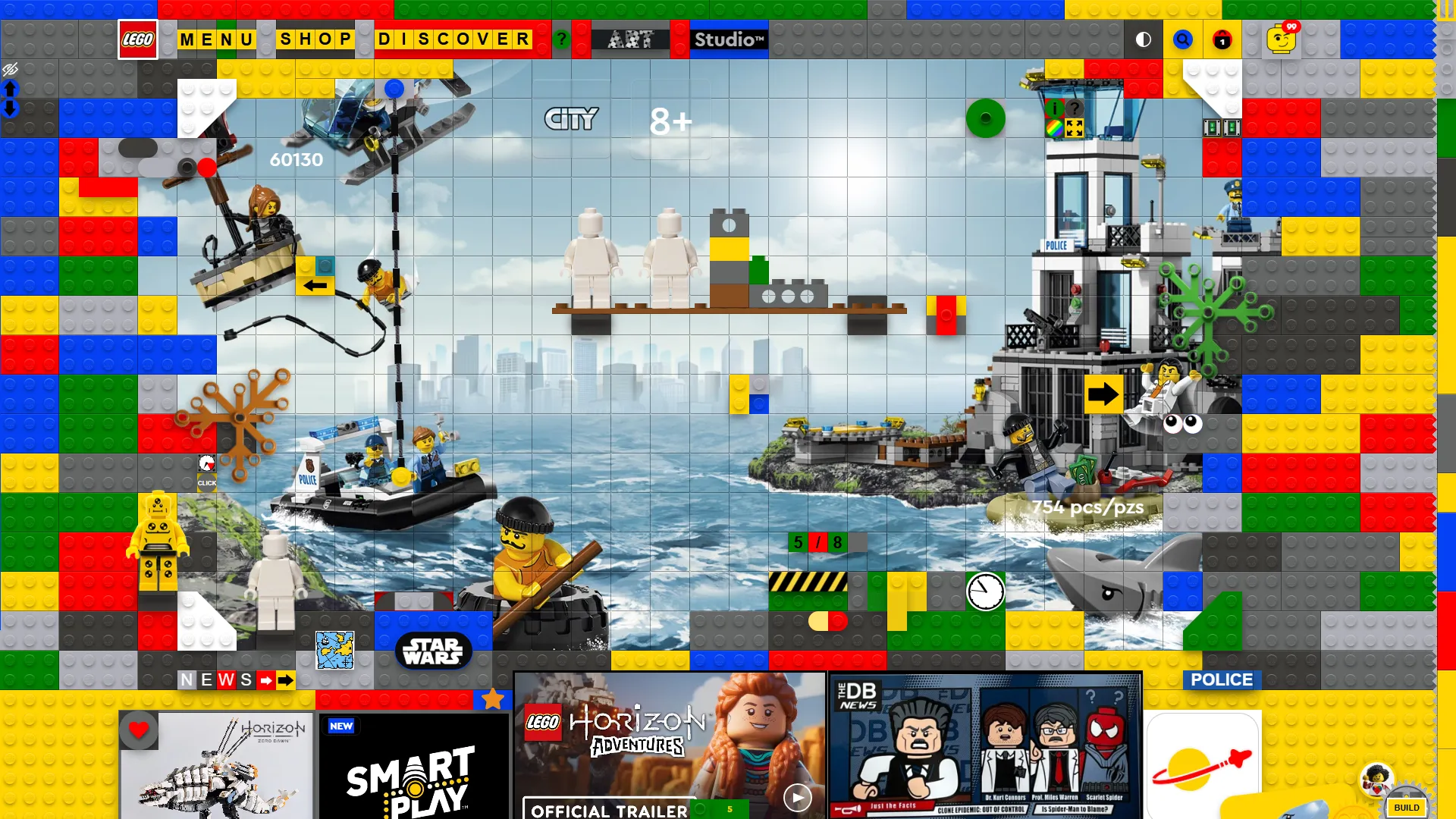
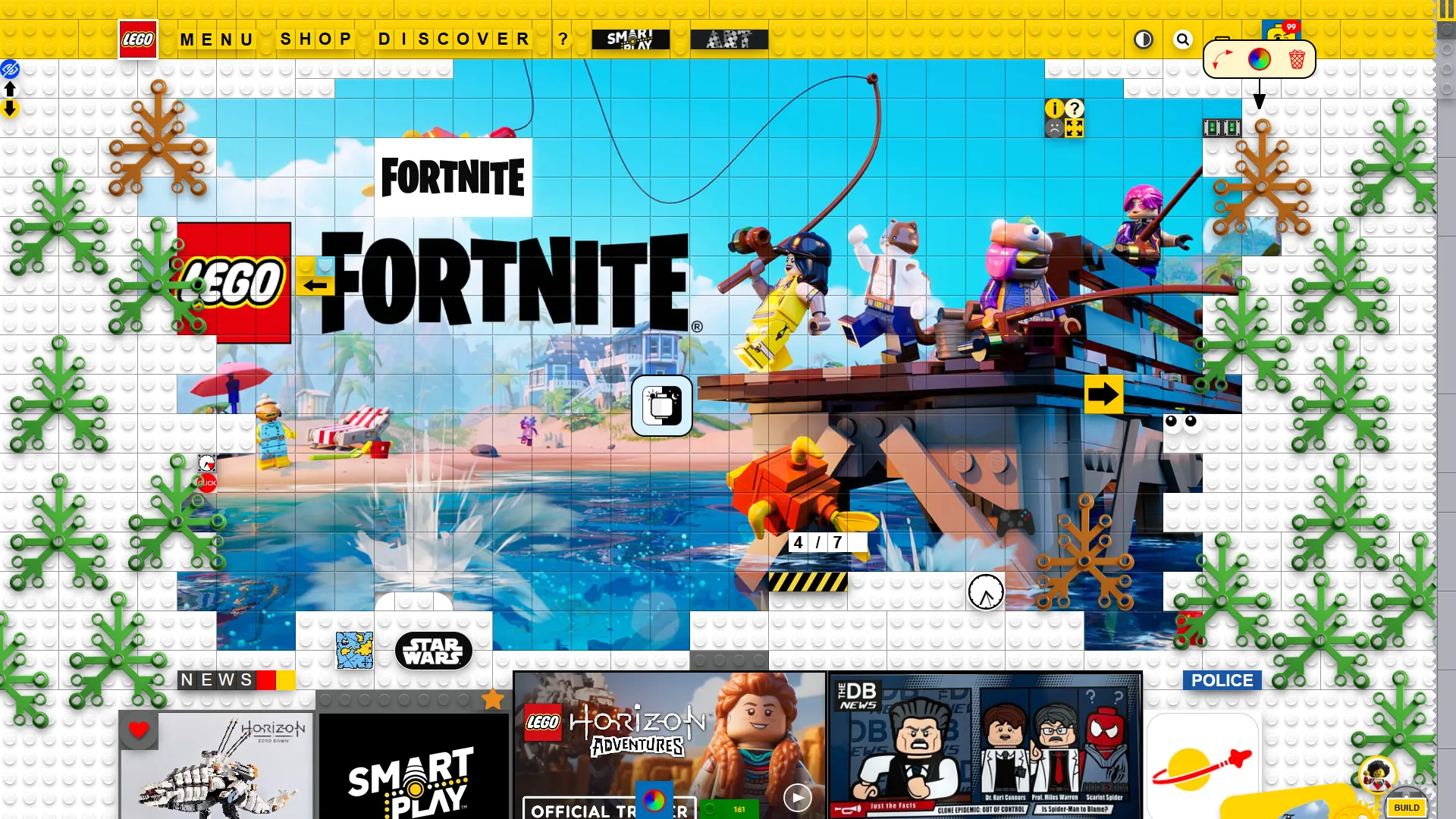
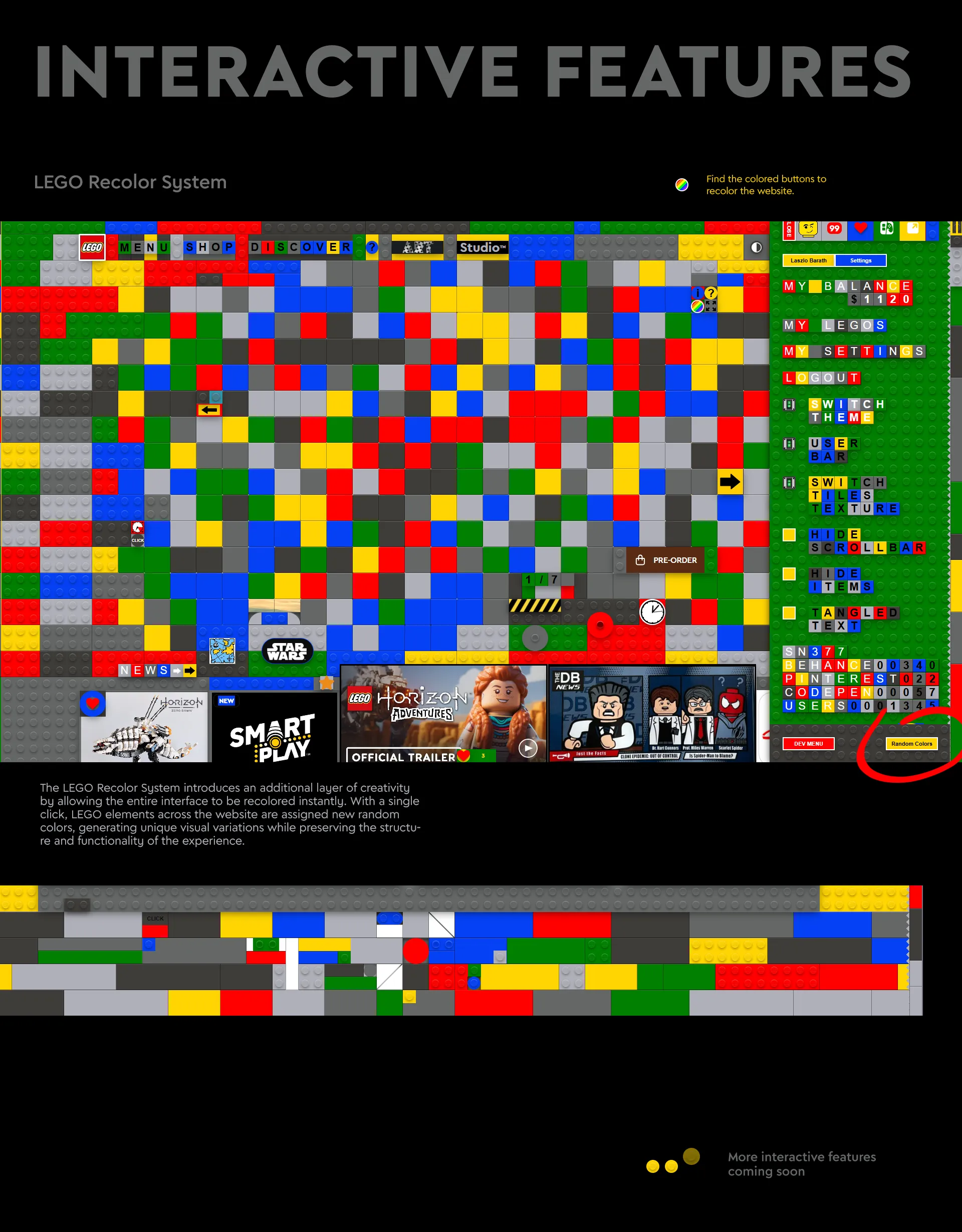
The Recolor-System enables real-time recoloring of nearly the entire LEGO-themed interface without re-rendering the page or causing performance degradation.
Unlike traditional theme switching, the system operates on individual LEGO elements based on their semantic type rather than on entire interface blocks.
By default, every LEGO element is eligible for recoloring. Only elements explicitly marked as No Recolor are excluded from the process, allowing precise control over protected interface components.
Elementklassifizierung
Every LEGO piece receives a detailed CSS class structure that defines its type, geometry, color and behavior.
plate grid2x2 green lv1
tile grid2x2 red circle lv2 ps2
brick grid1x4 blue
slope grid2x2 yellow
text grid1x1 white
These classes allow the engine to apply type-specific recoloring rules.
Selektive Neufärbung
The system intelligently excludes elements that must retain their original appearance.
- LEGO and partner logos
- Minifigure faces and printed details
- Stickers and decorative overlays
- Standard UI controls and icons
- Protected content areas and images
- Certain text elements (when explicitly marked)
All other structural LEGO elements—including dynamically generated LEGO text characters—participate in the recoloring process.
Regelbasierte Farb-Engine
Recoloring is fully rule-driven and highly configurable.
The system supports a wide range of parameters, including:
- Allowed color palettes and restrictions
- Element-type specific rules
- Texture opacity, gap styling and slider variants
- Randomized yet coherent color generation
- Color priority and layering order
This makes it possible to generate thousands of unique LEGO color compositions while maintaining a consistent visual language.
Performance
Instead of rebuilding the page, the engine updates only the visual properties of the affected LEGO elements.
This approach allows thousands of individual elements to be recolored in real time while maintaining production-level performance.
Zusammenfassung
The Recolor-System is a rule-based LEGO rendering layer that goes far beyond traditional theme switching.
It enables modular, real-time visual transformation of thousands of individual LEGO elements while preserving protected interface components and maintaining production-level performance.
Technologien
Produktionsreife Möglichkeiten
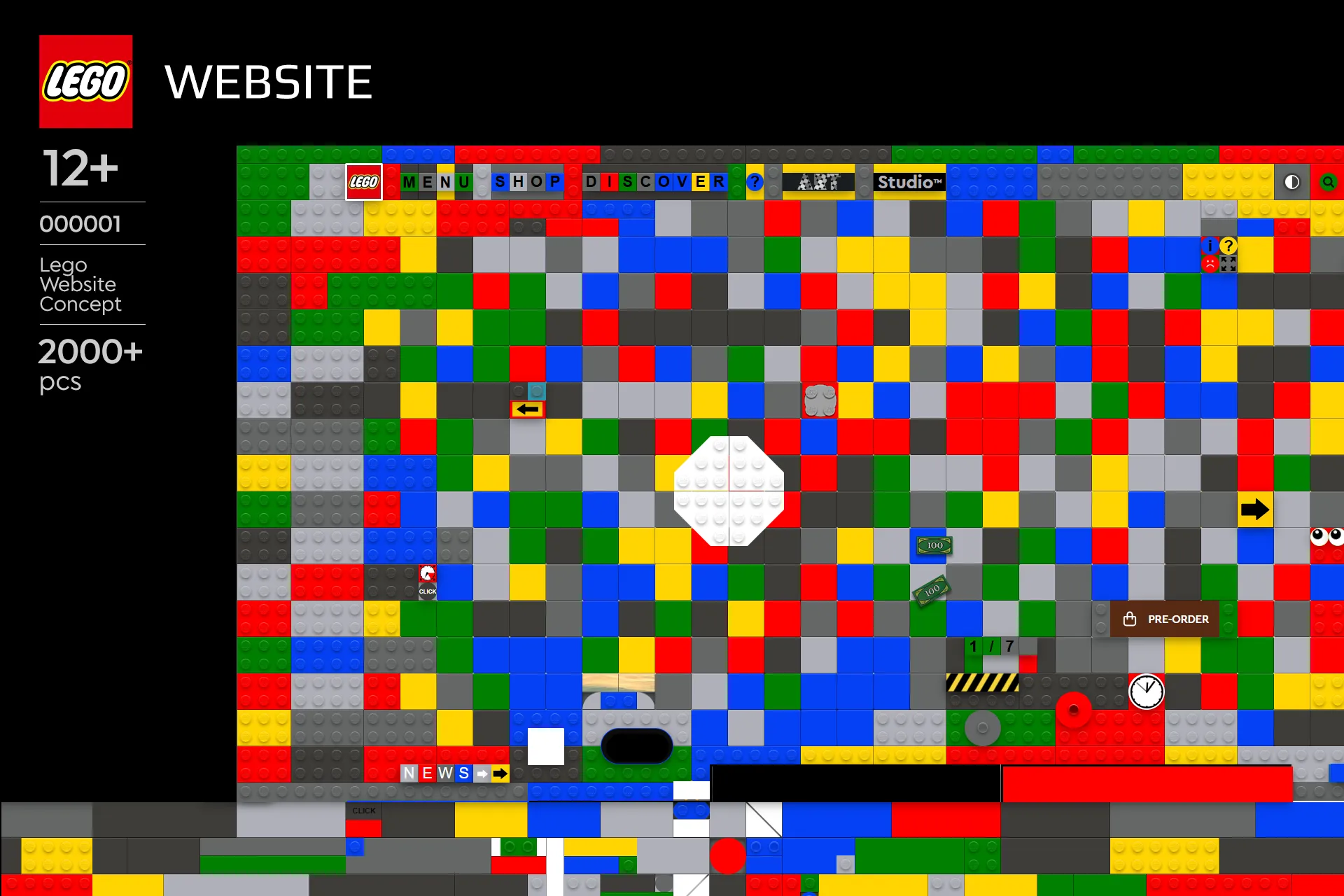
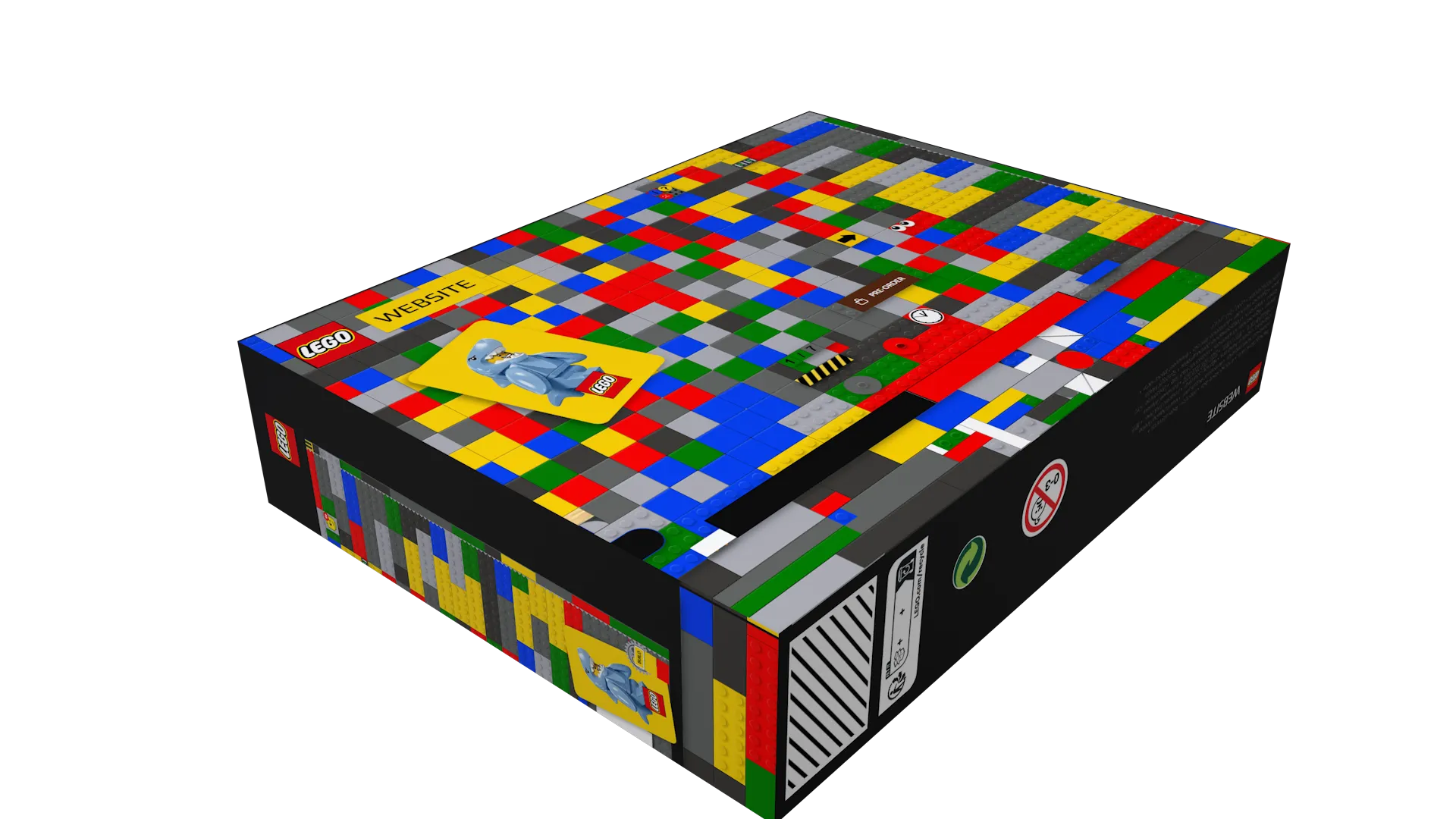
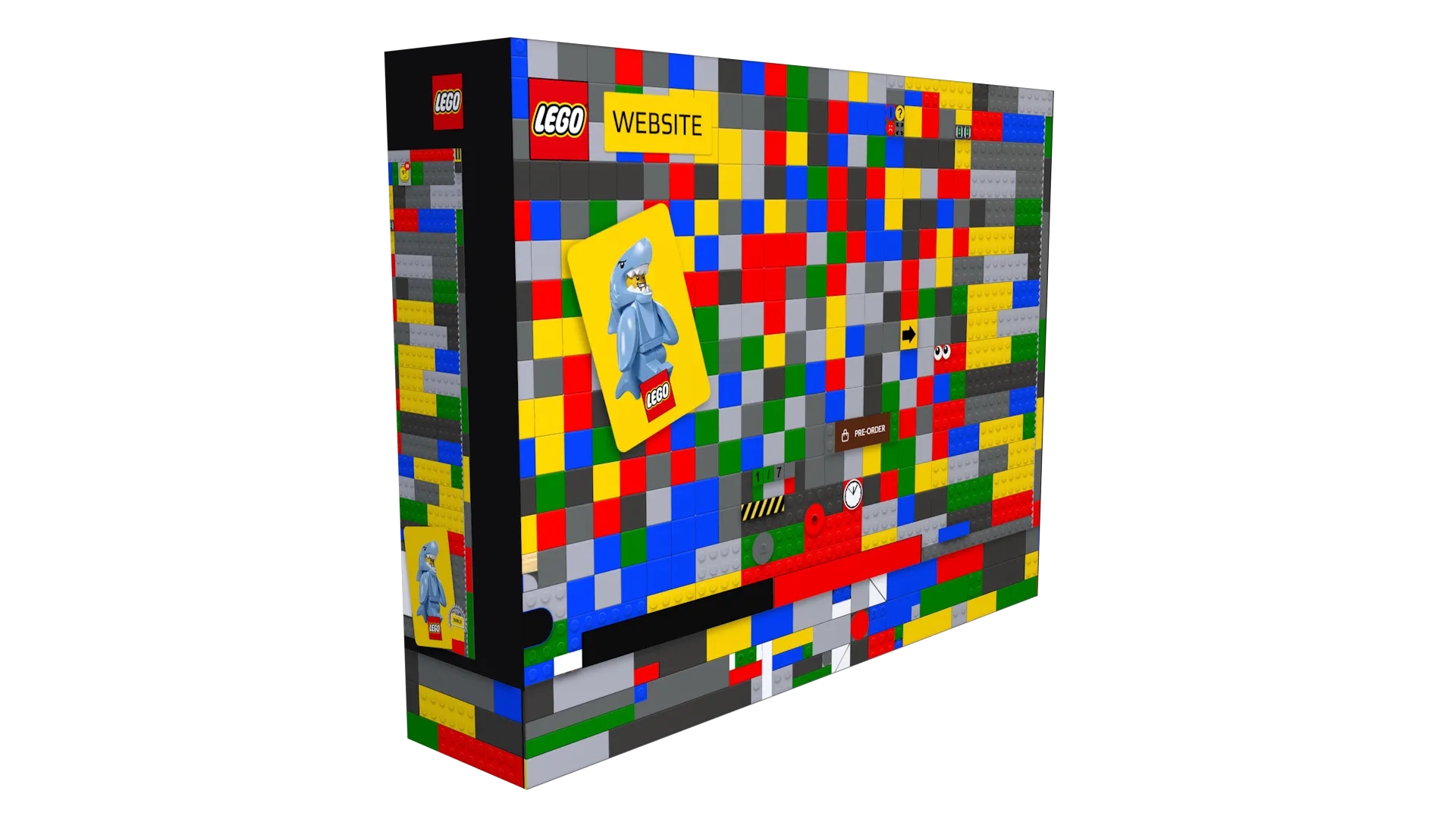
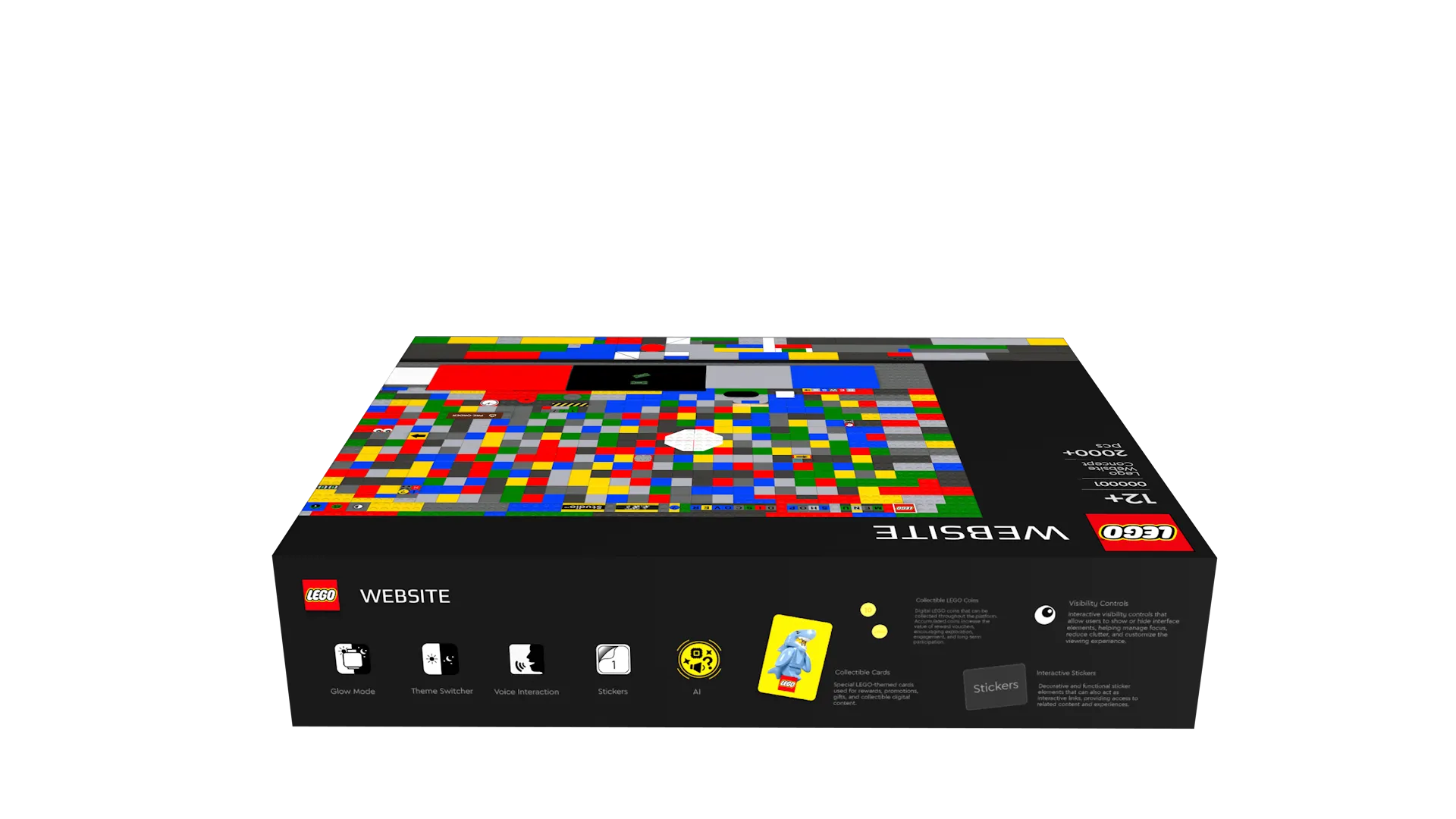
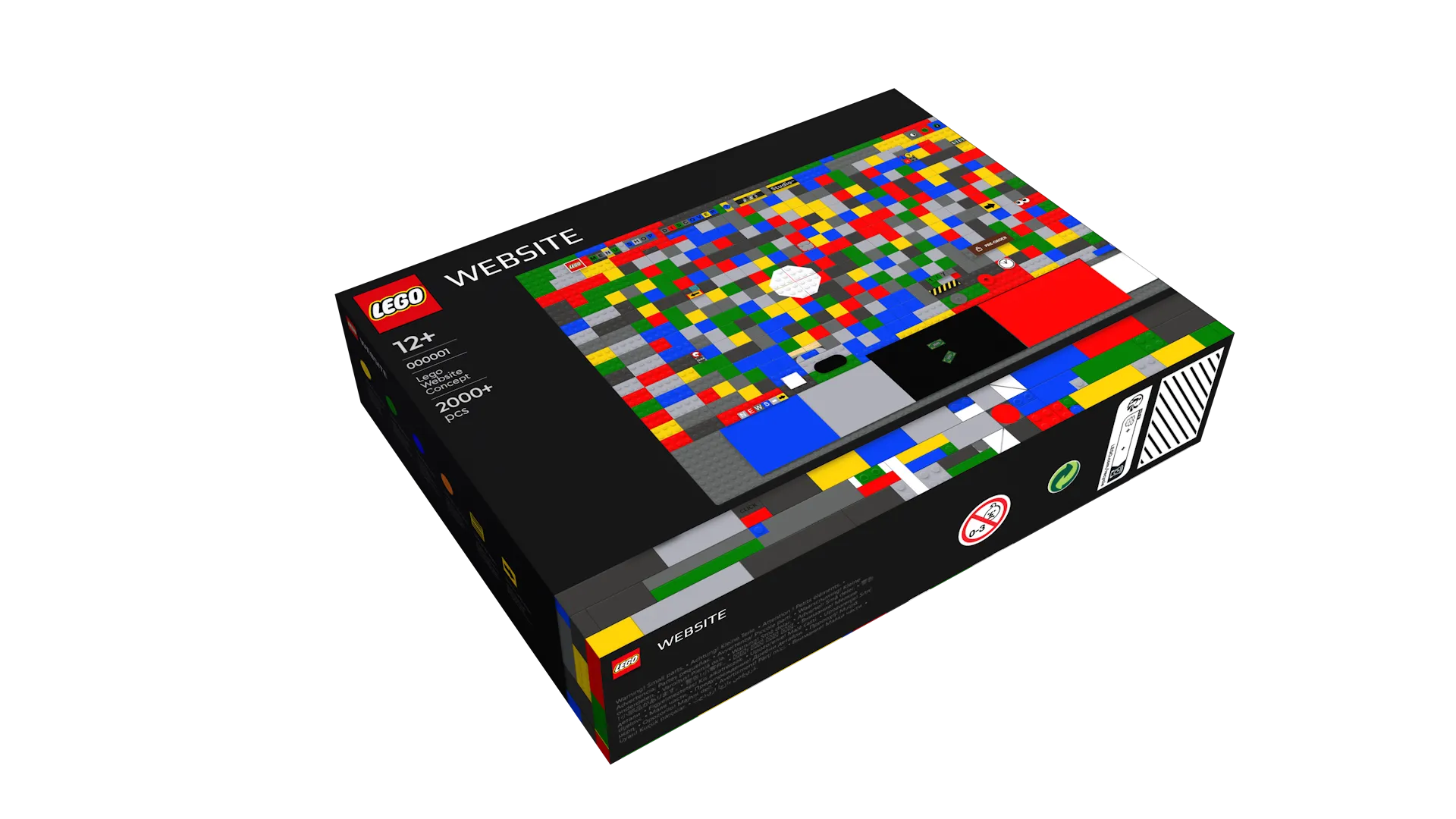
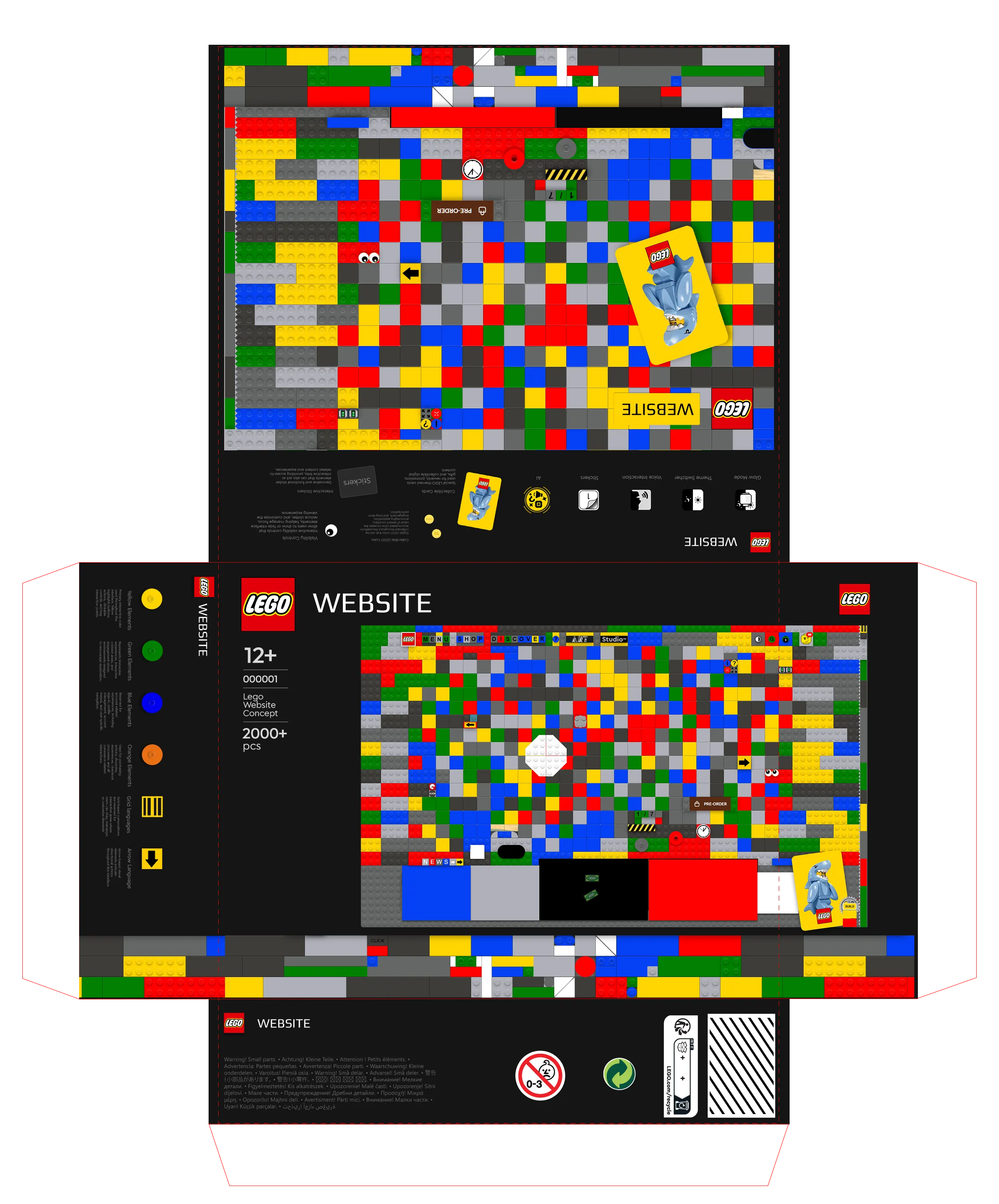
Eine Website in einer Box
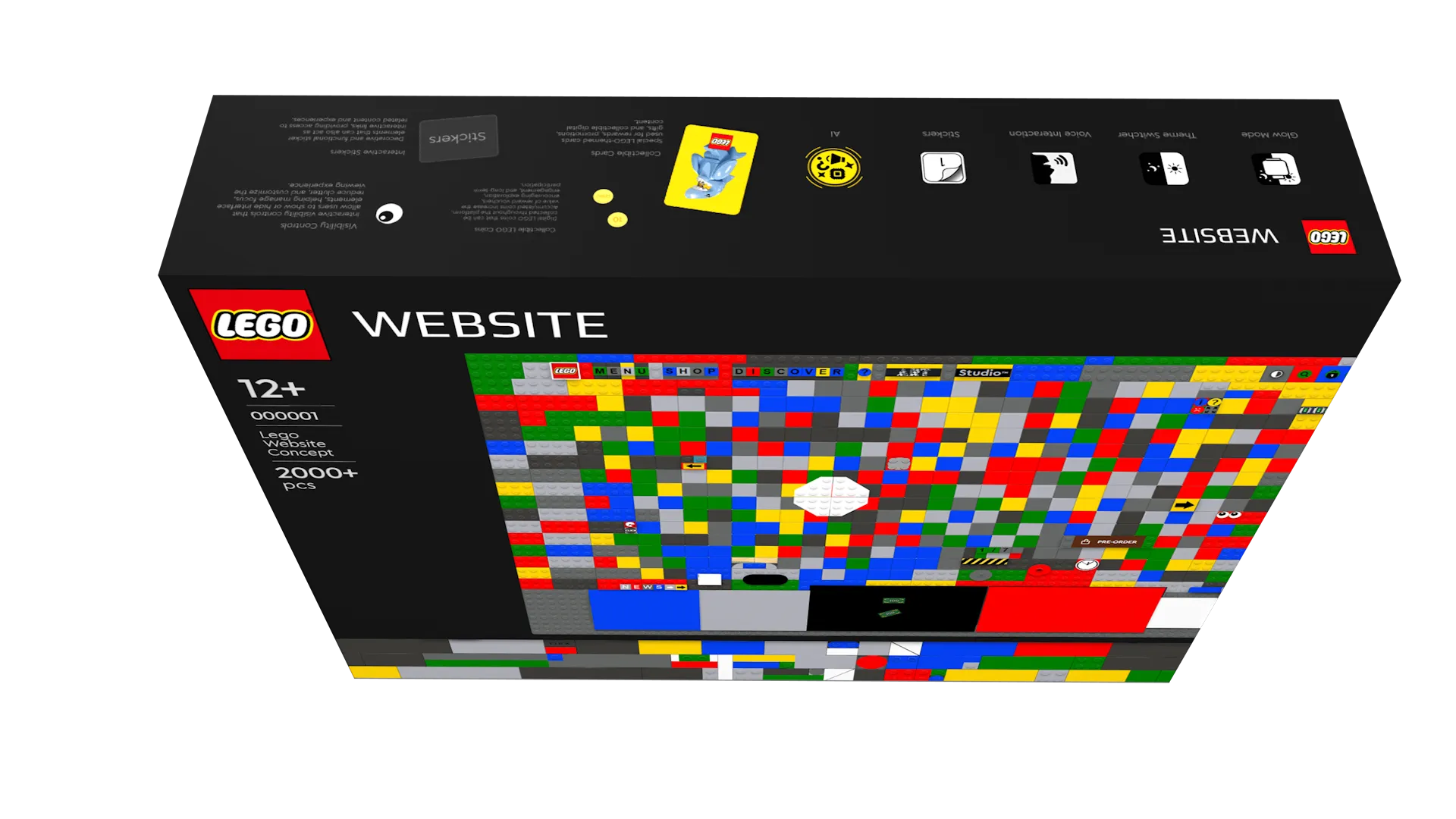
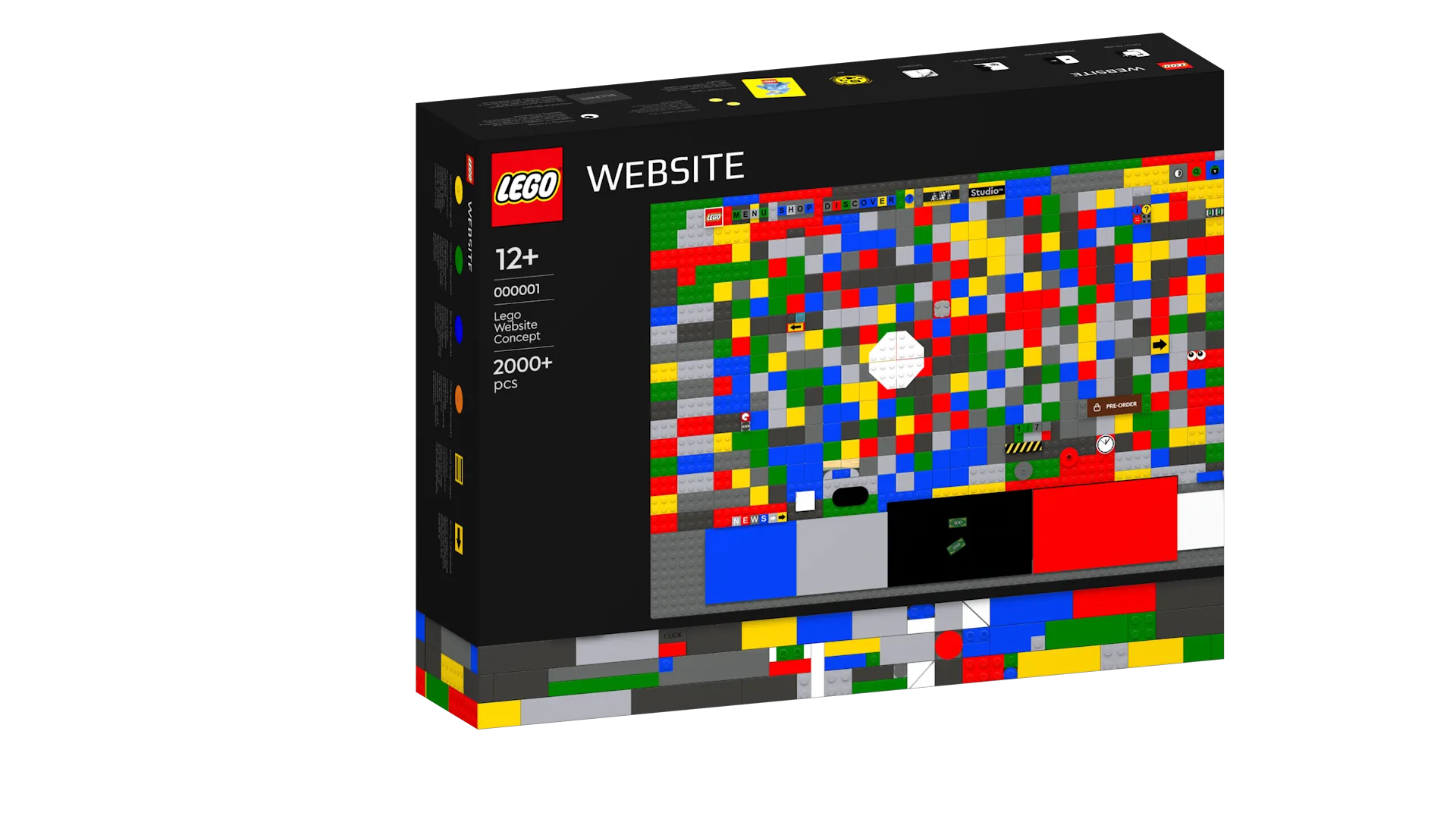
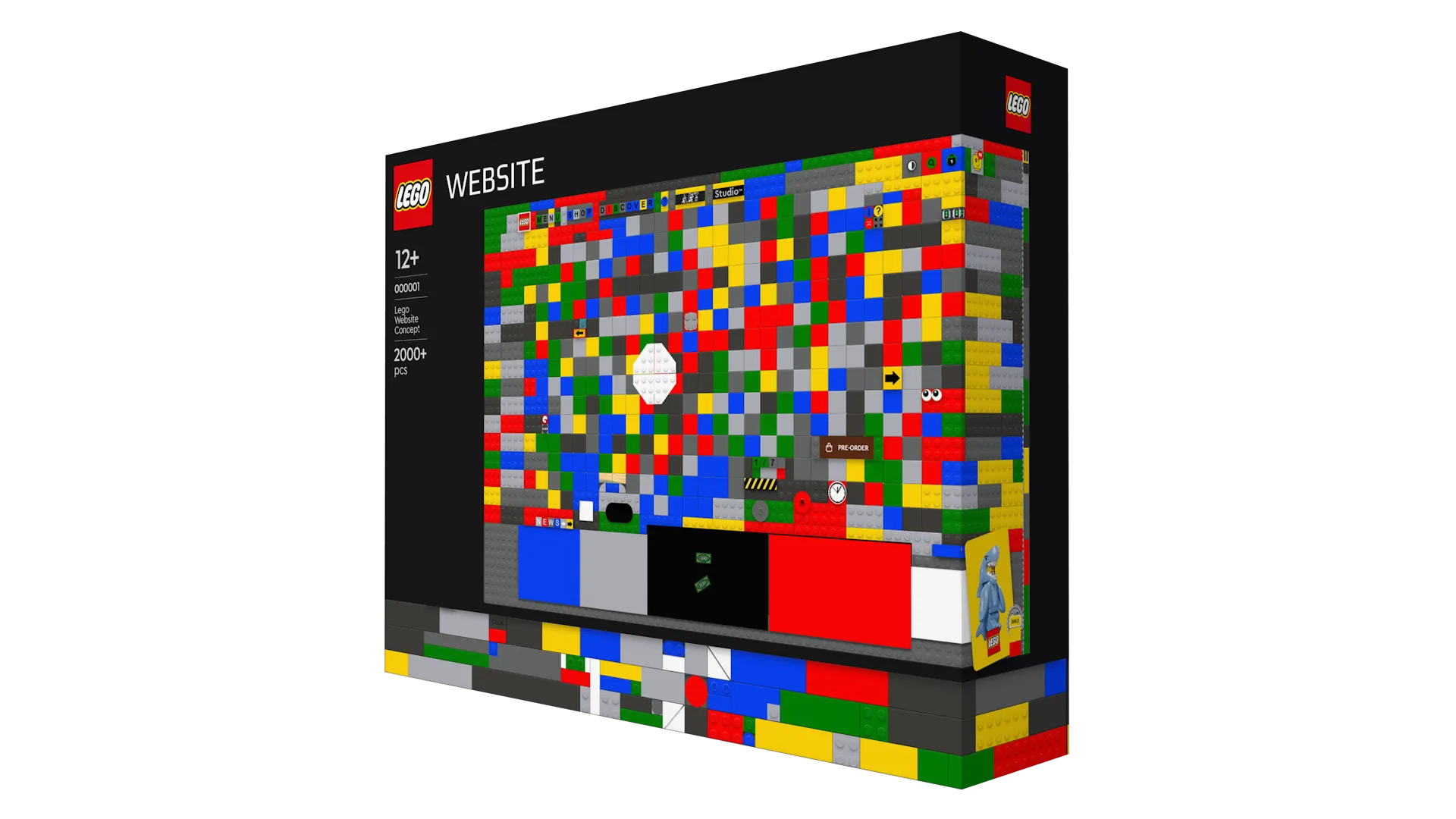
Das LEGO® Website-Konzept könnte nicht nur als digitales Erlebnis existieren, sondern auch als physisches Produkt. Die Website könnte für Werbekampagnen, Sonderangebote oder Kundenprämien als LEGO-Set in einer Box veröffentlicht werden. Beim Kauf einer Geschenkkarte oder eines Gutscheins könnte beispielsweise nicht nur die Karte selbst enthalten sein, sondern zusätzlich ein komplettes Mini-LEGO-Website-Set als Bonus. Da das Konzept hauptsächlich aus standardmäßigen LEGO-Elementen aufgebaut ist, könnten mit vergleichsweise geringen Herstellungskosten unzählige Varianten produziert werden.
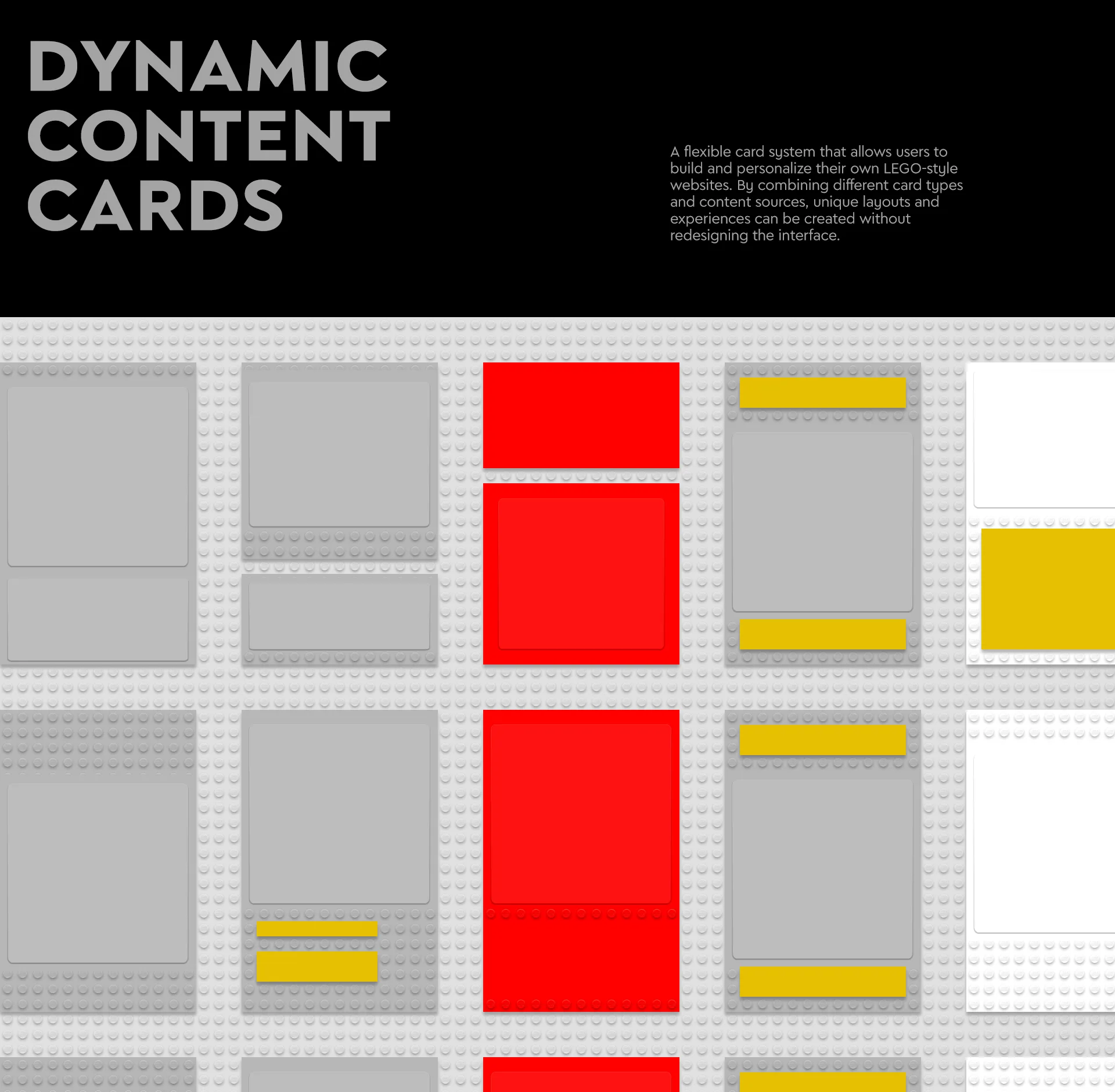
Ein flexibles Designsystem
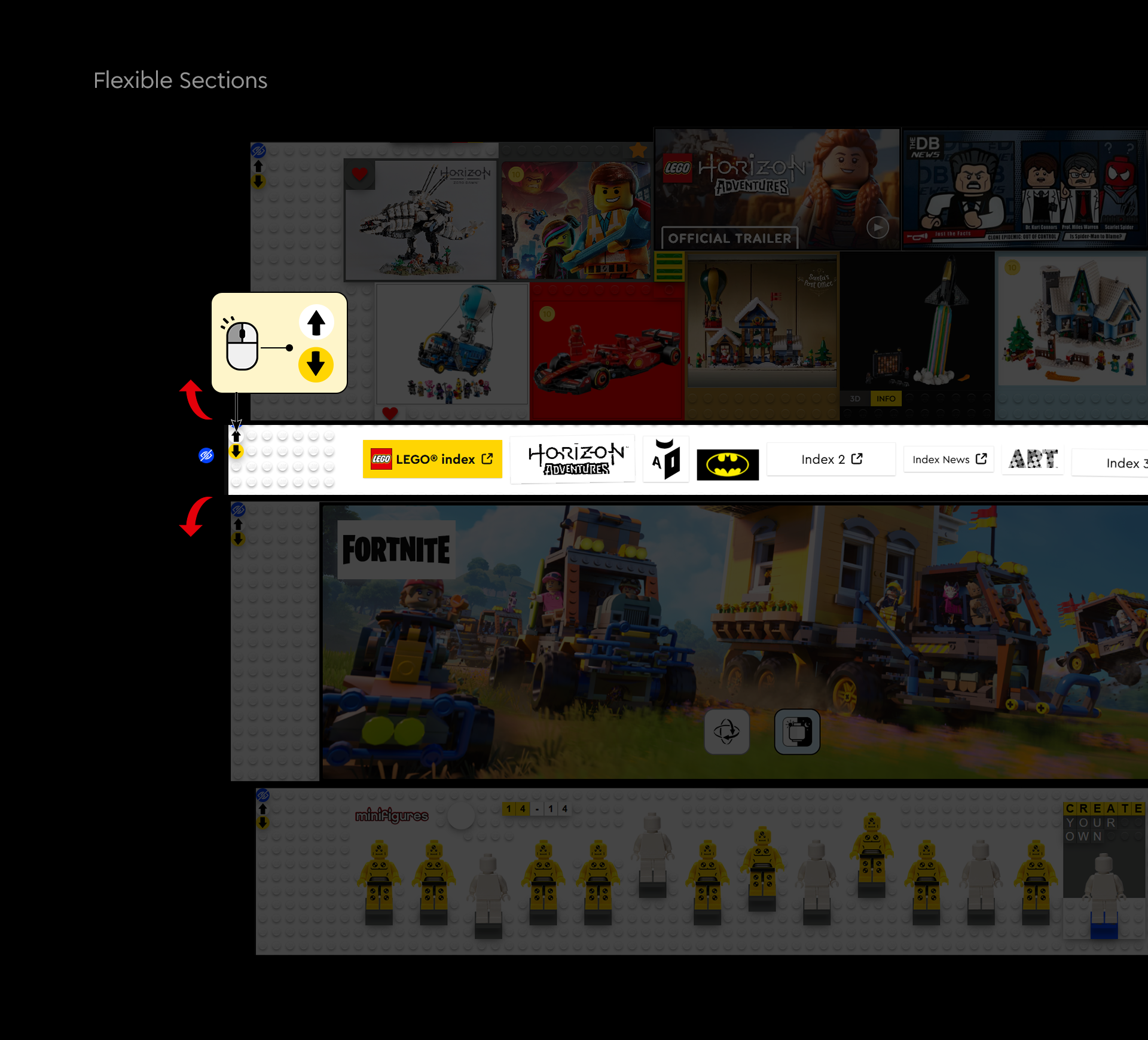
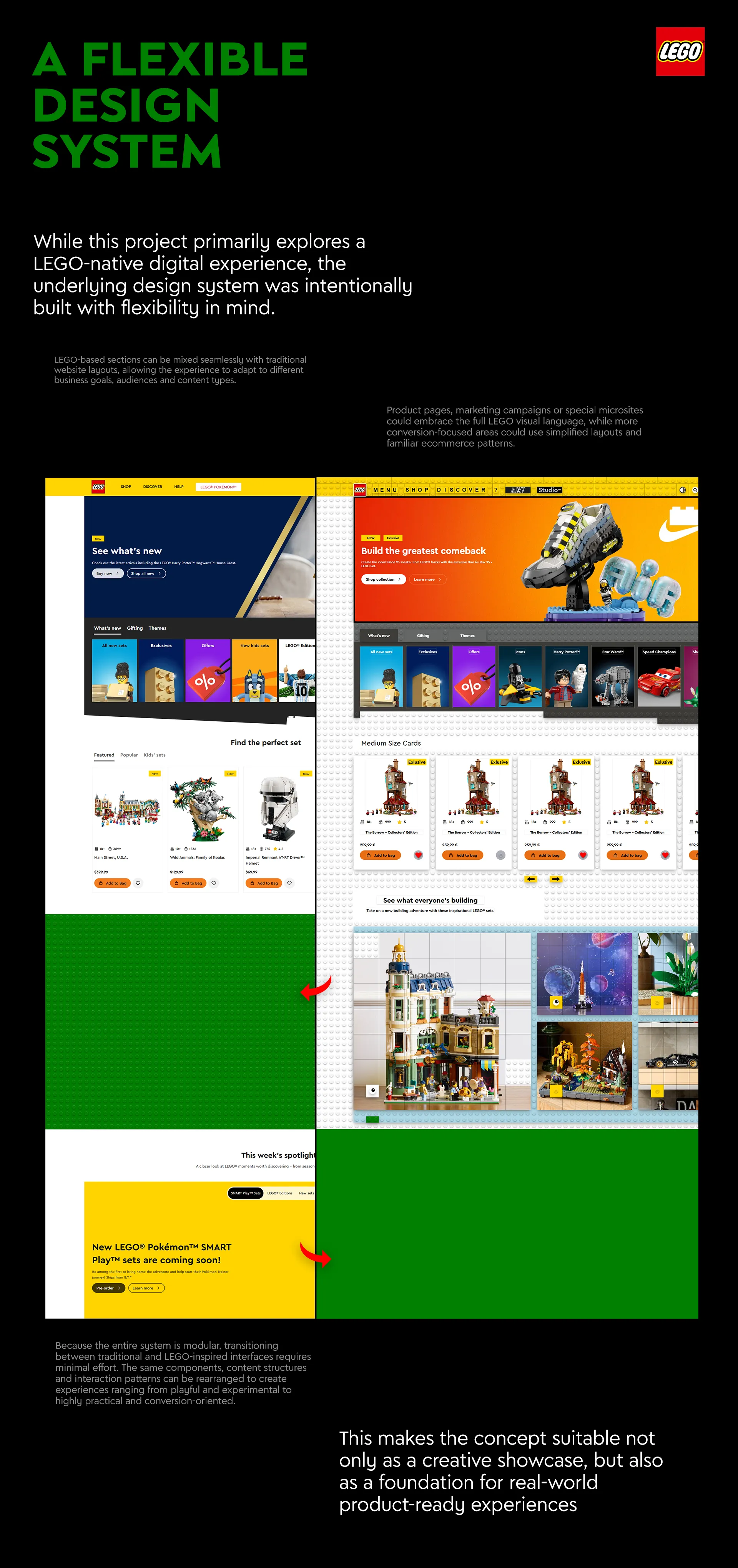
While this project primarily explores a LEGO-native digital experience, the underlying design system was intentionally built with flexibility in mind.
LEGO-based sections can be mixed seamlessly with traditional website layouts, allowing the experience to adapt to different business goals, audiences and content types.
Product pages, marketing campaigns or special microsites could embrace the full LEGO visual language, while more conversion-focused areas could use simplified layouts and familiar ecommerce patterns.
Because the entire system is modular, transitioning between traditional and LEGO-inspired interfaces requires minimal effort. The same components, content structures and interaction patterns can be rearranged to create experiences ranging from playful and experimental to highly practical and conversion-oriented.
This makes the concept suitable not only as a creative showcase, but also as a foundation for real-world product-ready experiences.
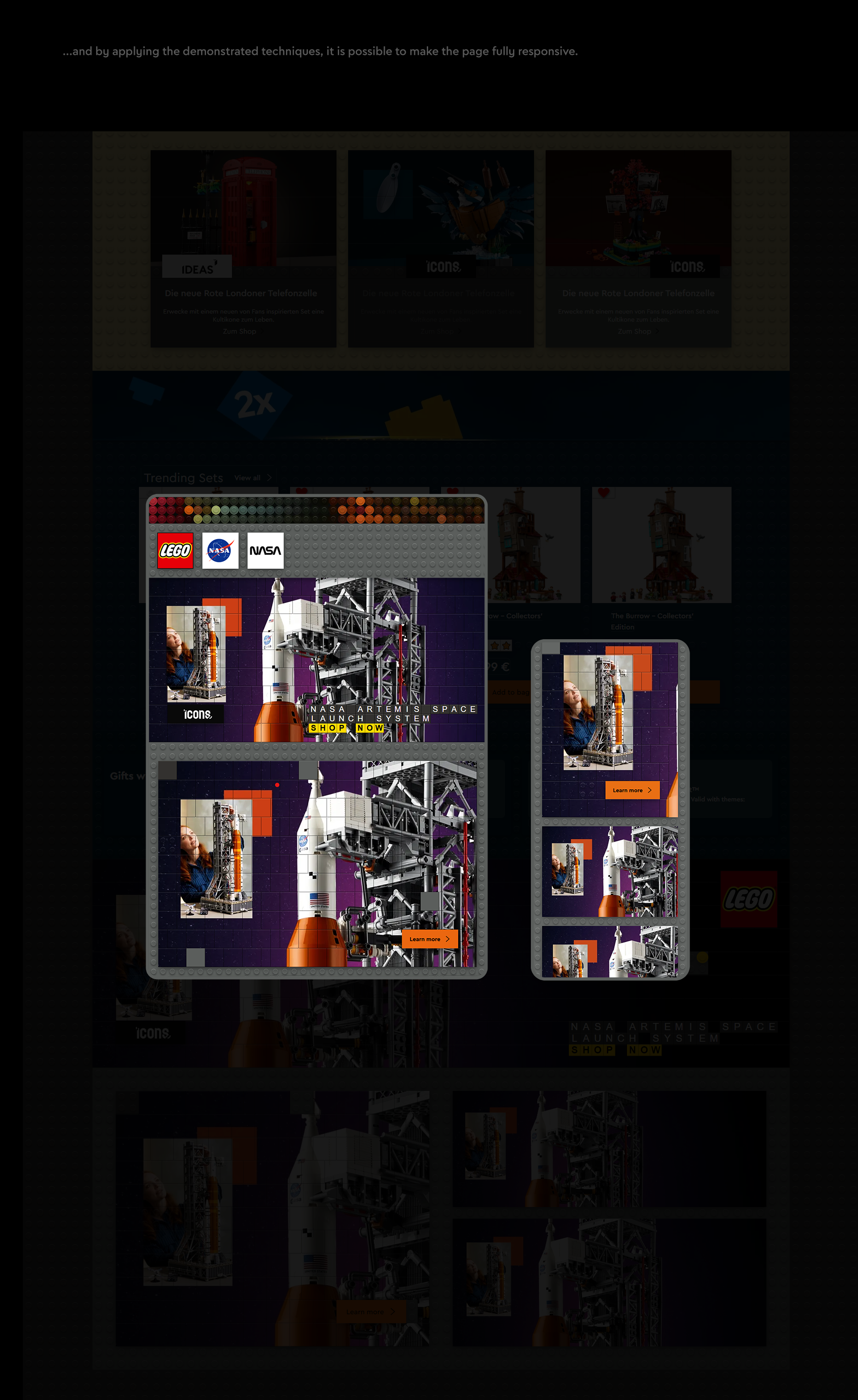
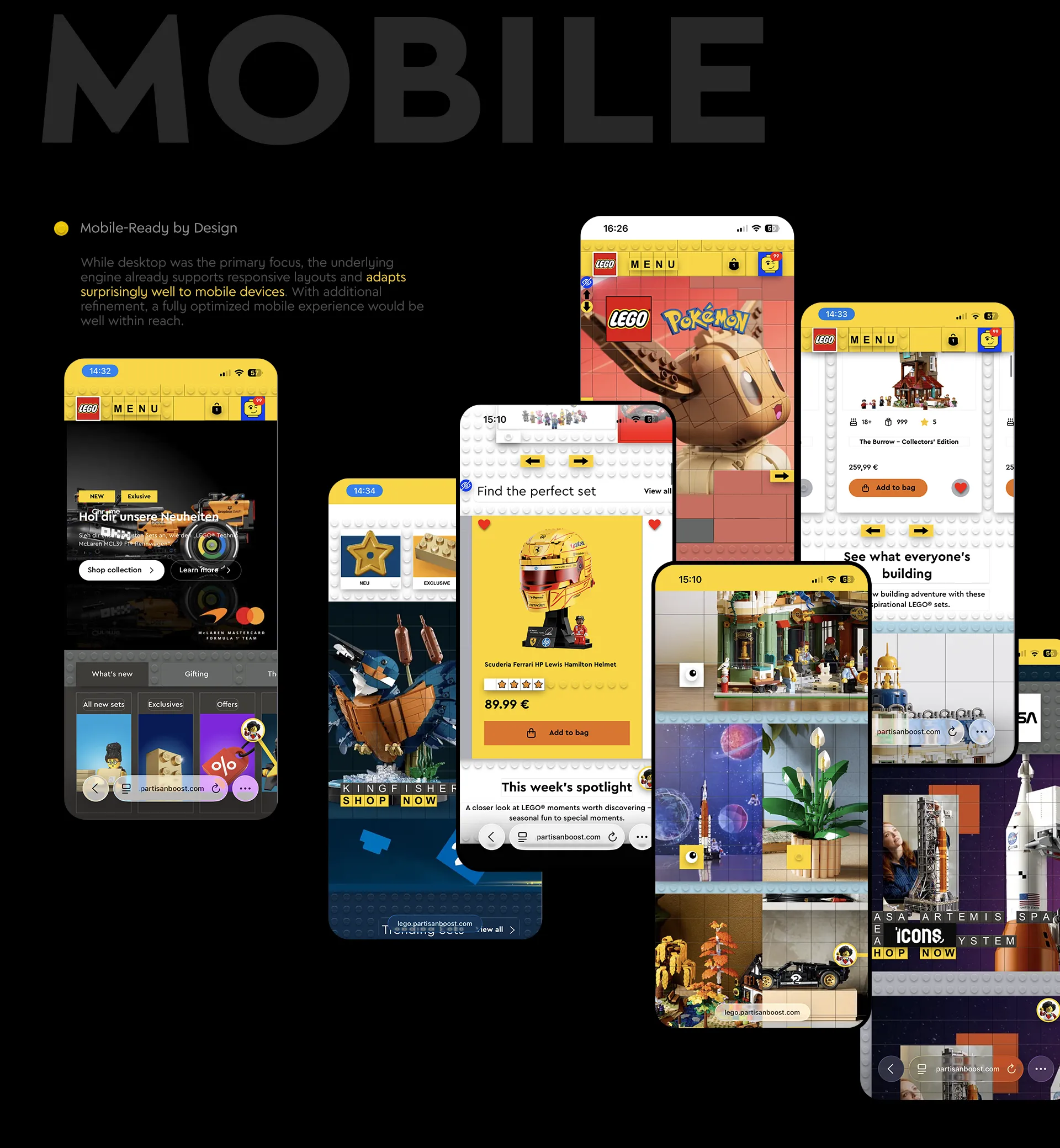
Von Grund auf für Mobilgeräte geeignet
While desktop was the primary focus, the underlying engine already supports responsive layouts and adapts surprisingly well to mobile devices. With additional refinement, a fully optimized mobile experience would be well within reach.
Über das Konzept hinaus
While this project began as a redesign experiment, its underlying ideas extend far beyond a traditional website. The combination of modular LEGO-inspired components, procedural surface generation, interactive systems, and a unified visual language points toward a broader digital ecosystem. These principles could support future applications in e-commerce, education, content creation, gamified experiences, and interactive brand platforms. Rather than simply reimagining how a LEGO website could look, this concept explores how LEGO building principles could evolve into a scalable digital design system for the next generation of online experiences.
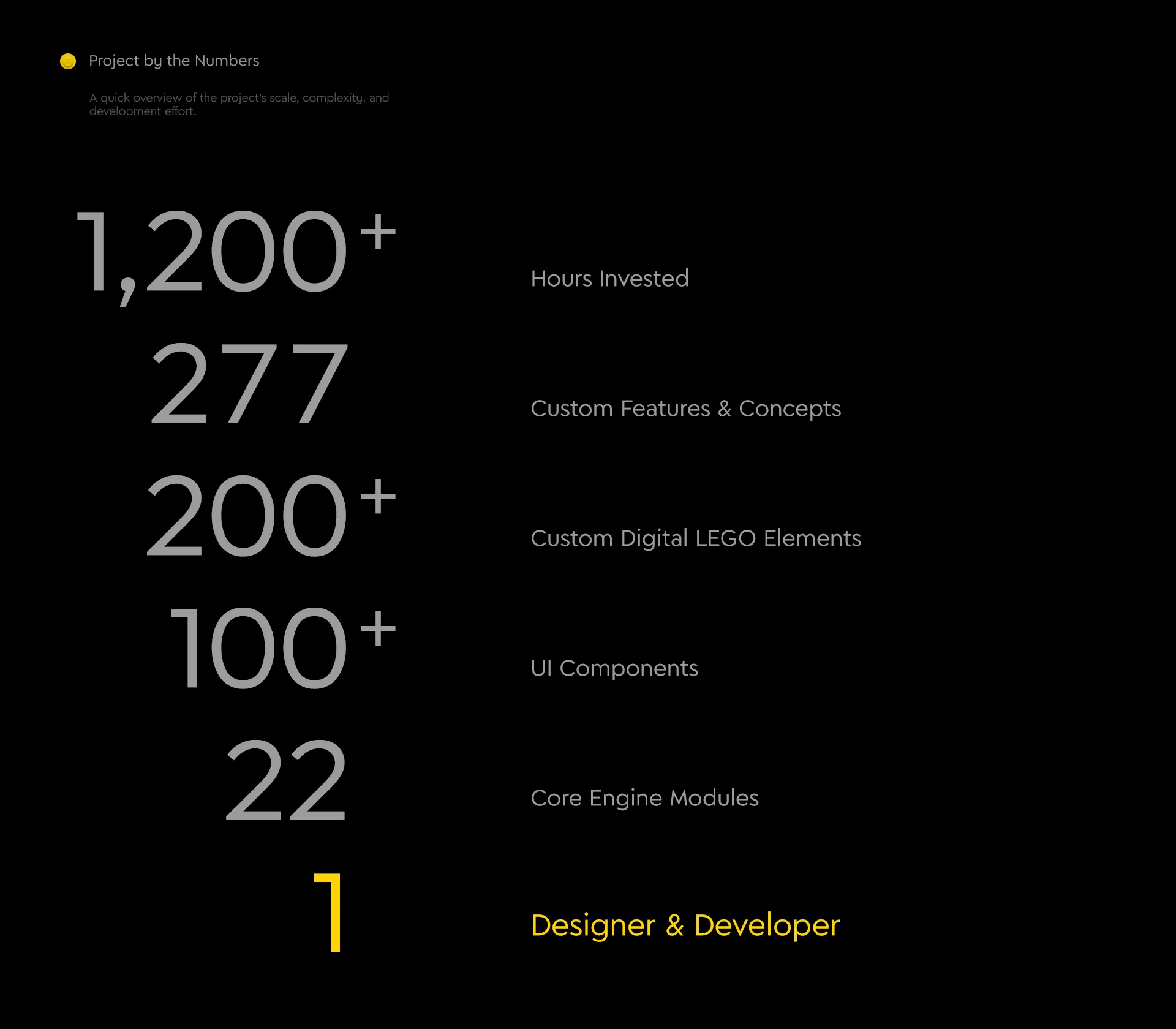
Dieses Projekt war ursprünglich als eine wesentlich umfassendere Auseinandersetzung mit LEGO als digitaler Designsprache konzipiert. Während ich die hier präsentierten grundlegenden Konzepte, Systeme und Prototypen entwickelt habe, verhinderten zeitliche Einschränkungen eine vollständige Ausarbeitung des gesamten Umfangs der Idee. Was in dieser Fallstudie gezeigt wird, bildet daher die Grundlage einer weiterreichenden Vision und nicht deren endgültige Form.
Projektübersicht
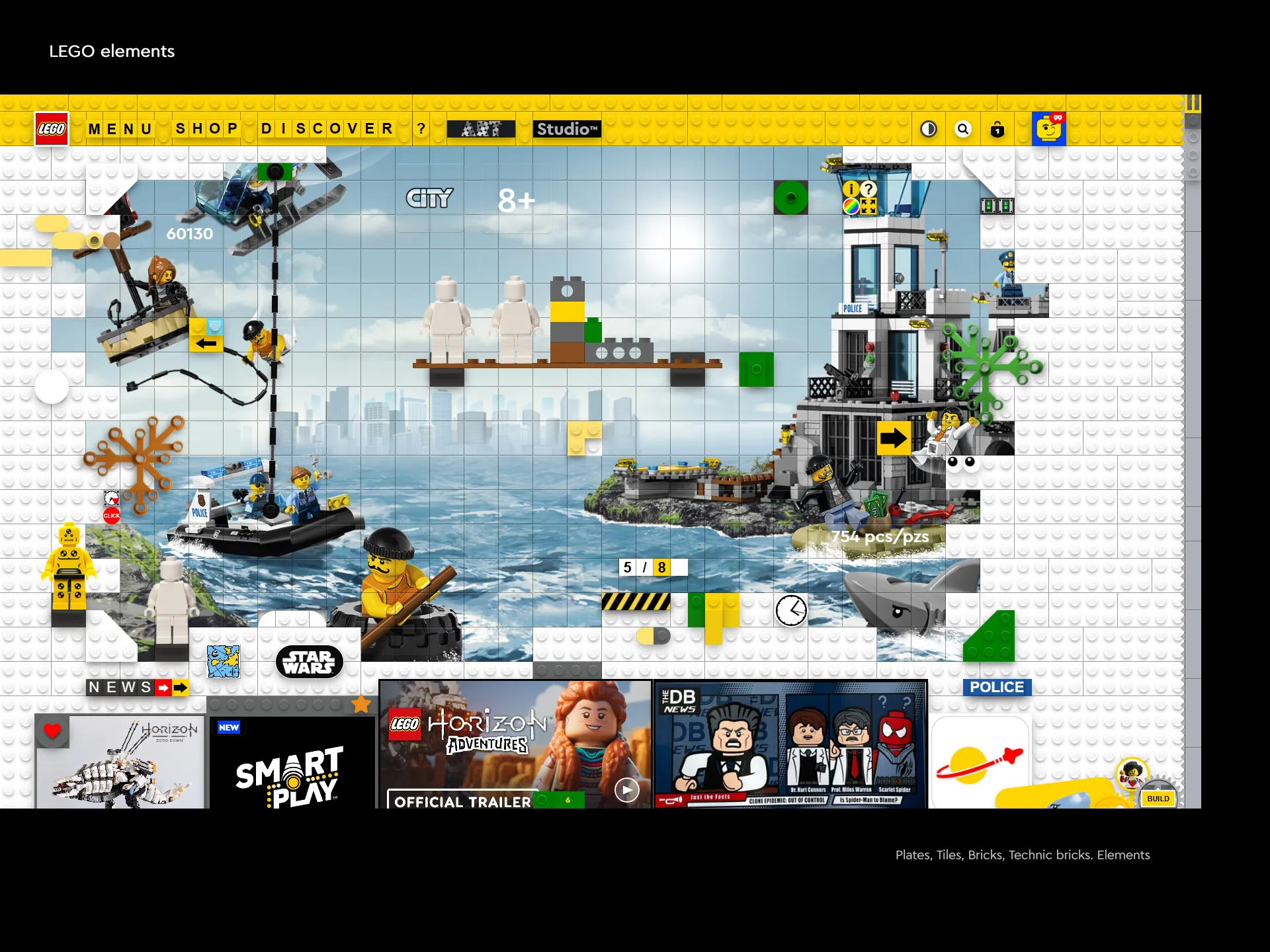
The LEGO® Website Redesign & Concept is a modern, interactive, and technically unique digital experience that reimagines how the LEGO universe could exist online. My goal was to explore what a LEGO website would look like if every single element were physically “built” from LEGO bricks — from backgrounds and UI components to text and interactions. This project is not a template and not a graphic mockup: every element is built live using HTML, CSS, and JavaScript.
Welches Problem löst es?
Die aktuelle digitale LEGO-Erfahrung basiert hauptsächlich auf konventionellen Webdesign-Mustern. Obwohl sich die Inhalte um LEGO drehen, spiegelt die Benutzeroberfläche selbst die grundlegenden Prinzipien, die das physische LEGO-Erlebnis ausmachen – Kreativität, Modularität, Individualisierung und Bauen – noch nicht vollständig wider.
Dieses Projekt untersucht, wie sich die Konstruktionslogik von LEGO in eine digitale Umgebung übertragen lässt, in der LEGO nicht nur als visuelles Thema verstanden wird, sondern als Grundlage der Benutzeroberfläche selbst.
Ziel war es, ein System zu entwickeln, in dem sich die Website eher wie eine LEGO-Konstruktion als wie eine herkömmliche Website verhält – eine modulare Umgebung aus wiederverwendbaren Komponenten, die zusammengesetzt, individuell angepasst und erweitert werden können.
Das Konzept
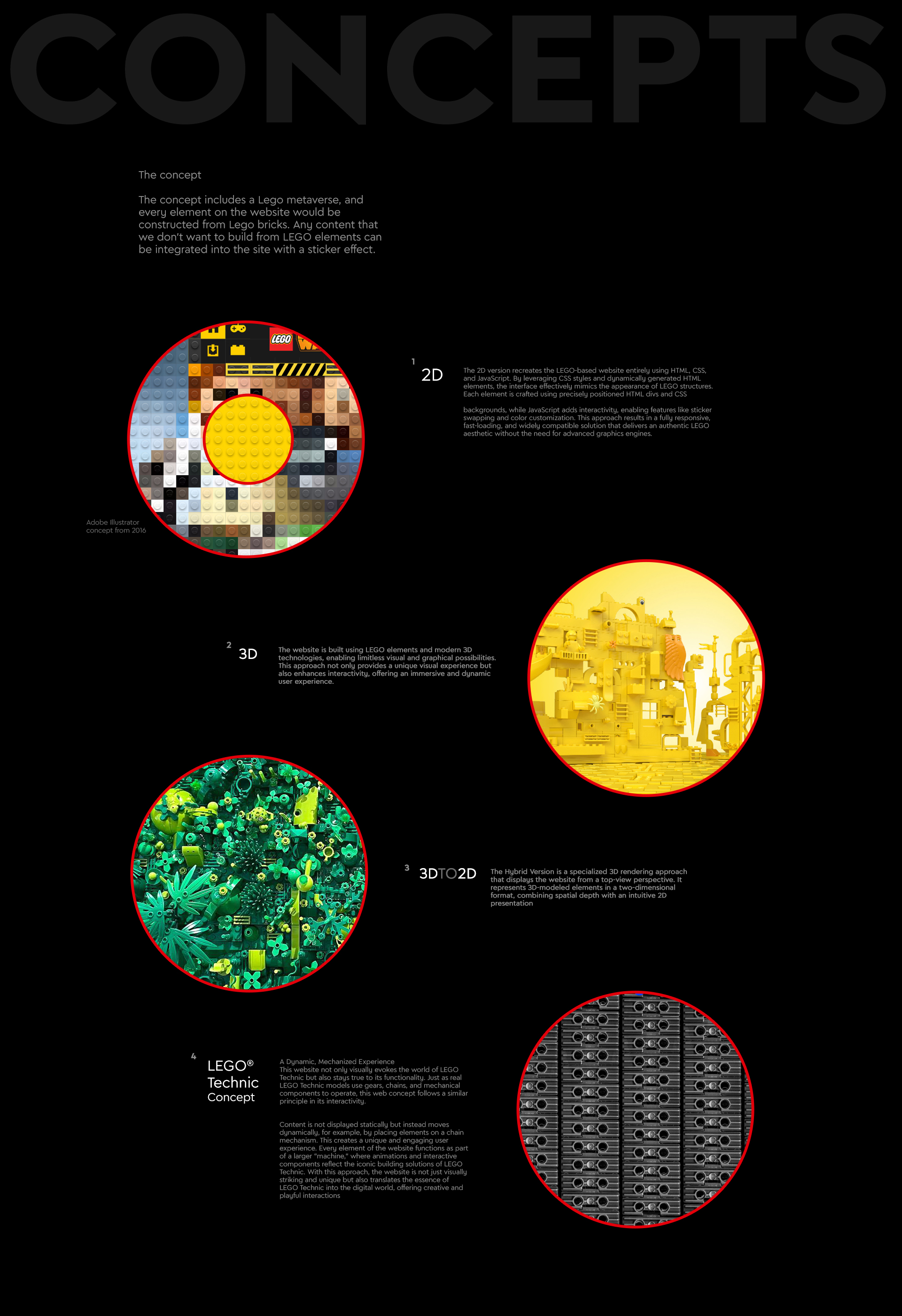
Die Kernidee besteht darin, dass die gesamte Website aus LEGO-Elementen aufgebaut ist:
- 2D-LEGO-Pixelkacheln
- 3D-LEGO-Objekte
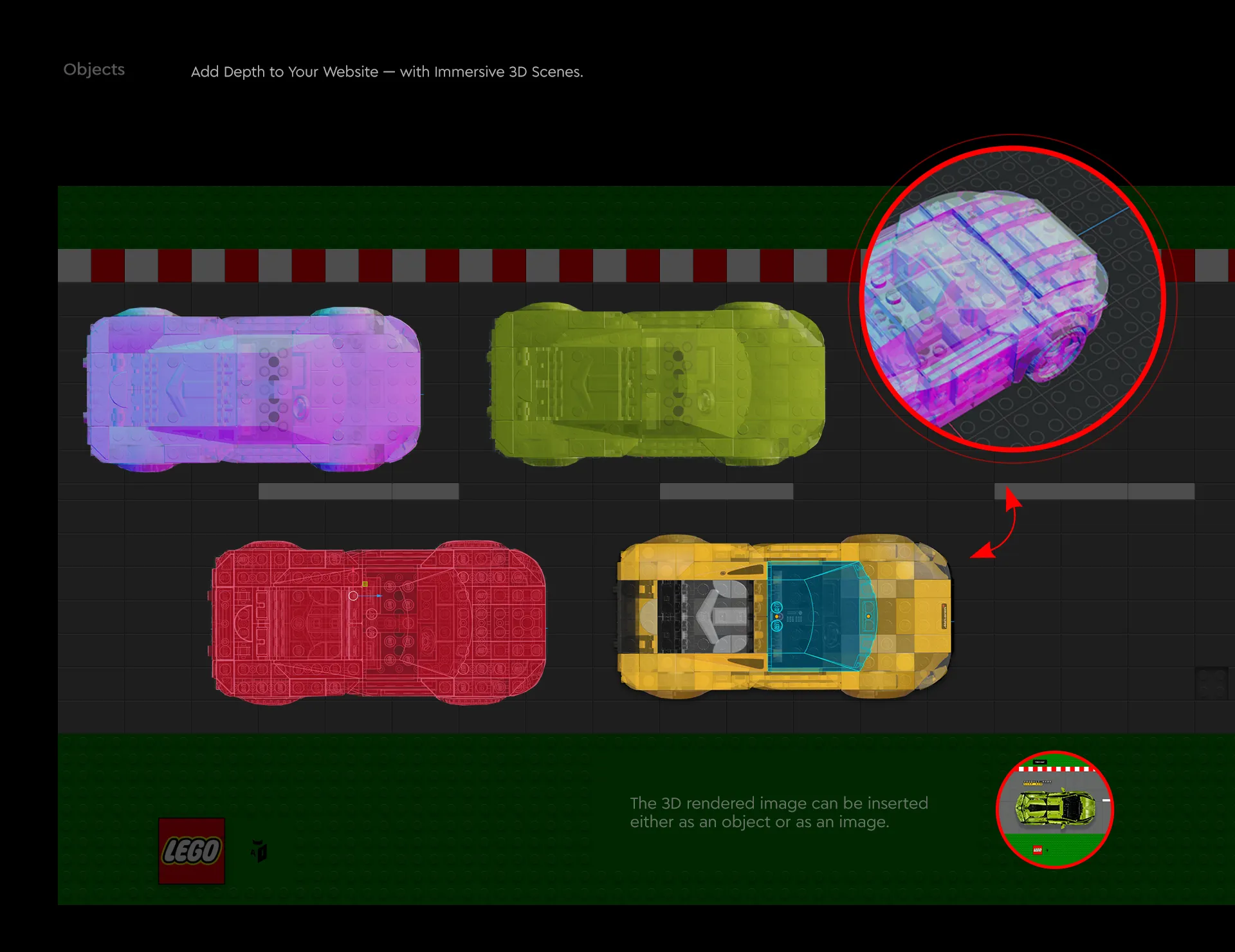
- hybrides 3D→2D-Rendering
- Von Technic inspirierte mechanische Stile
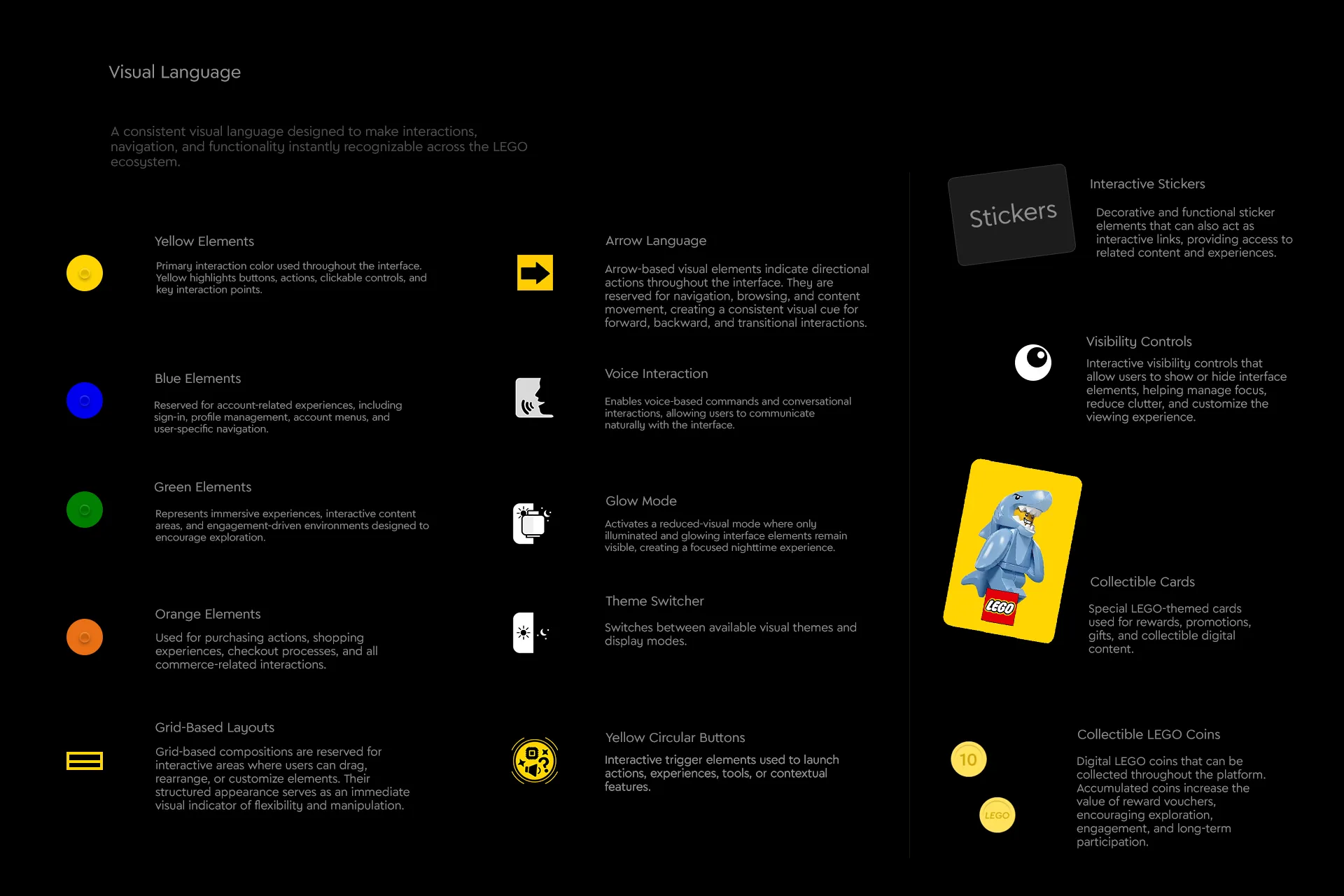
Für Inhalte, die nicht aus LEGO-Elementen bestehen, habe ich ein Sticker-System entwickelt, mit dem sich jede externe Grafik als individueller Sticker in die LEGO-Umgebung integrieren lässt. Das Ergebnis ist ein spielerisches, interaktives und vollständig modulares Web-Erlebnis, das sich an jedes LEGO-Thema anpassen lässt.
Hauptfunktionen
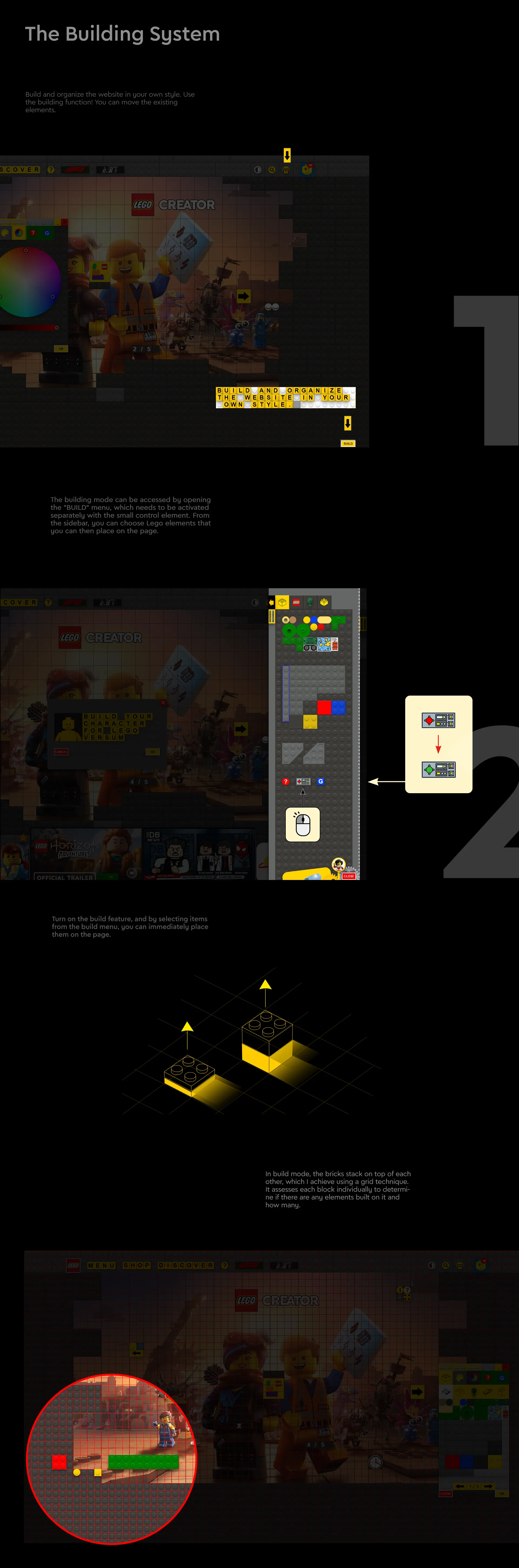
- Bearbeitbare LEGO-Kacheln – verschiebbare, austauschbare und drehbare Elemente
- Stickerbuch-System – Hunderte von Stickern mit einer buchartigen UI
- SmartSnap-Kacheln – automatische „Noppenausrichtung“ nach LEGO-Logik
- Umschaltbare Noppenstile – Standard, Technic, DUPLO und Benutzerdefiniert
- Dynamischer Farbmischer – vollständige LEGO-Palette + individuelles Farbspektrum
- Glow-in-the-Dark-Modus – hebt leuchtende LEGO-Elemente hervor
- Heller / dunkler Modus im LEGO-Stil
- Zoomfähige LEGO-Buttons – inspiriert von LEGO-Bauanleitungen
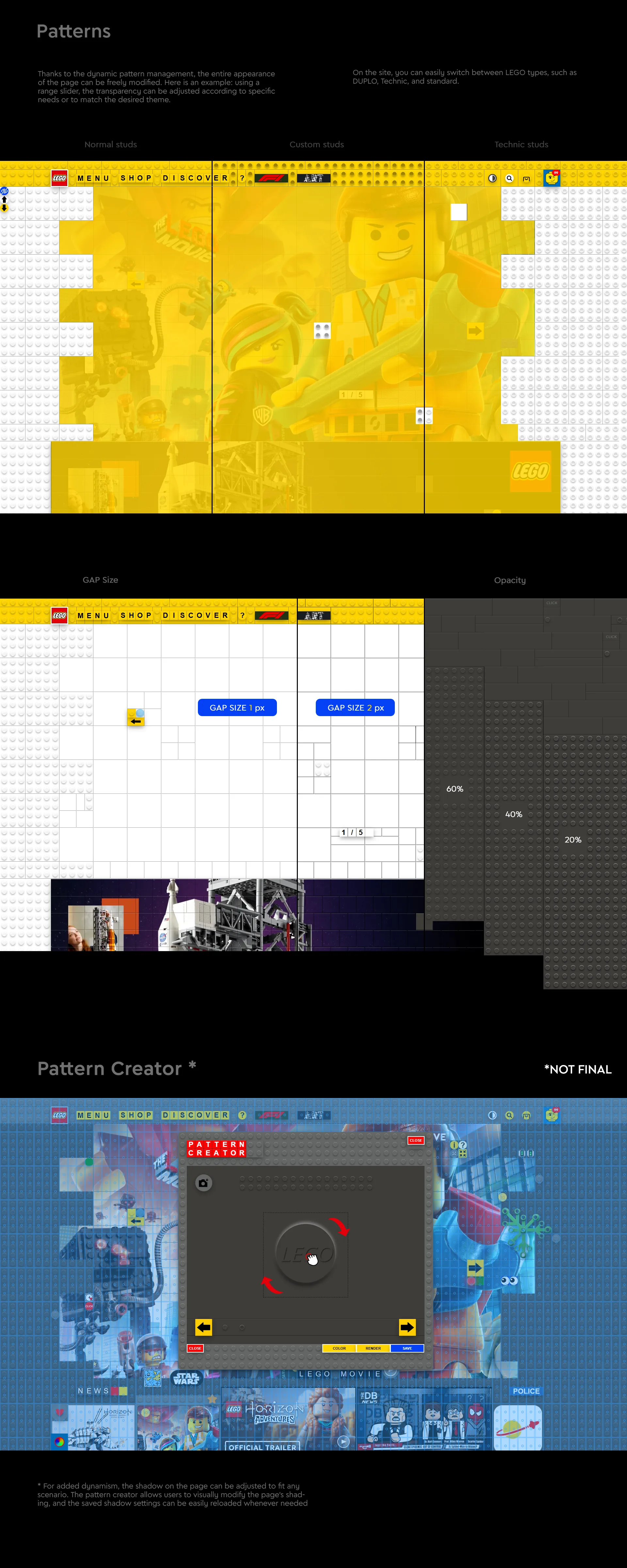
- Muster-Editor – Schatten, Deckkraft, Textur und Dichte bearbeiten
- Dynamisches Rastersystem (basierend auf einer 26×26-Pixel-LEGO-Platte)
- Magnetische Blöcke – versatzkompatibles Einrasten
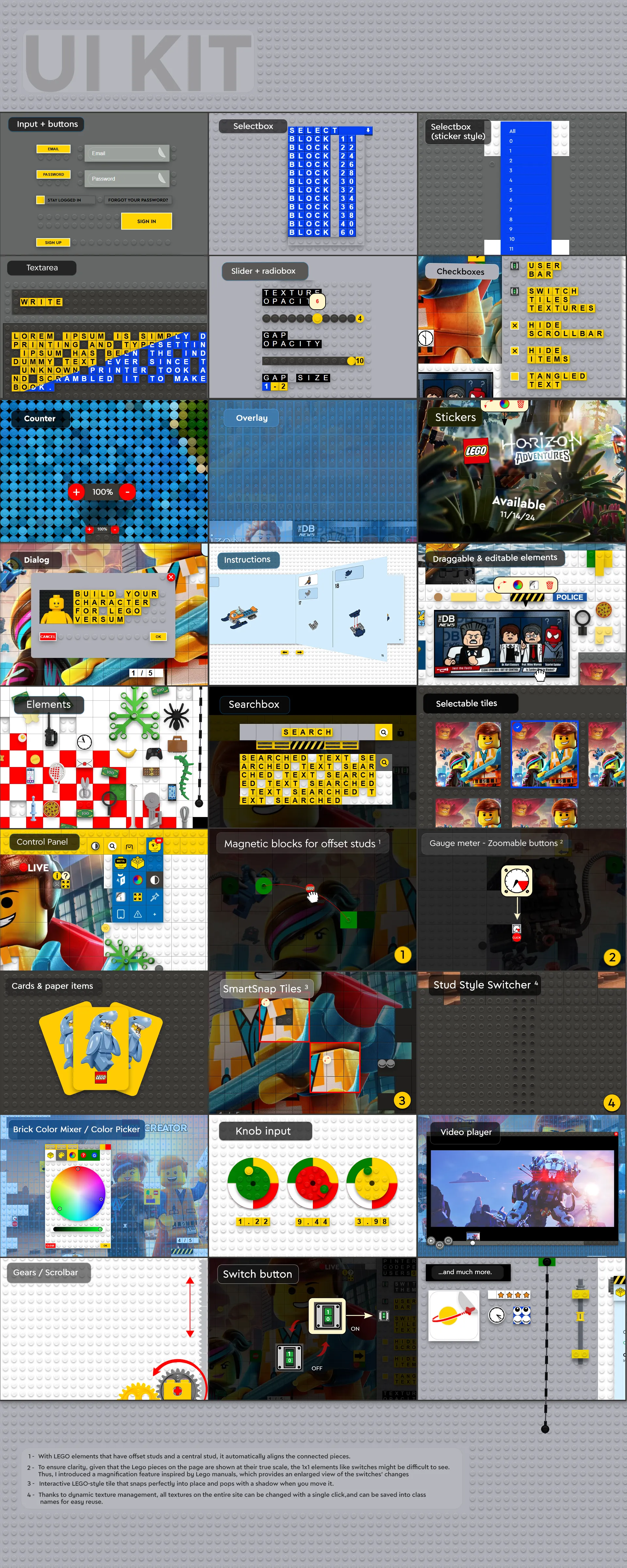
- Vollständiges LEGO UI Kit mit Dutzenden interaktiver Komponenten
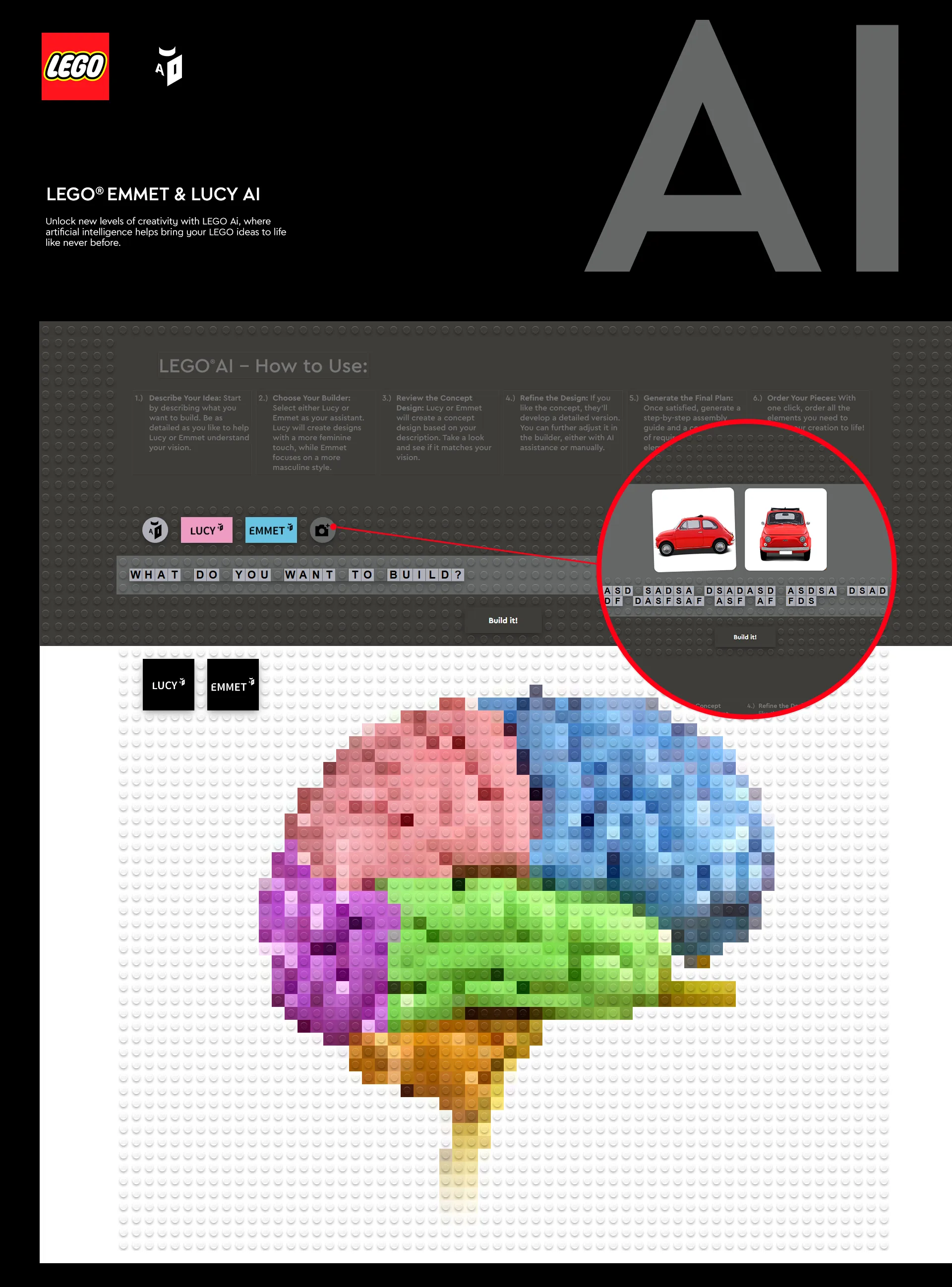
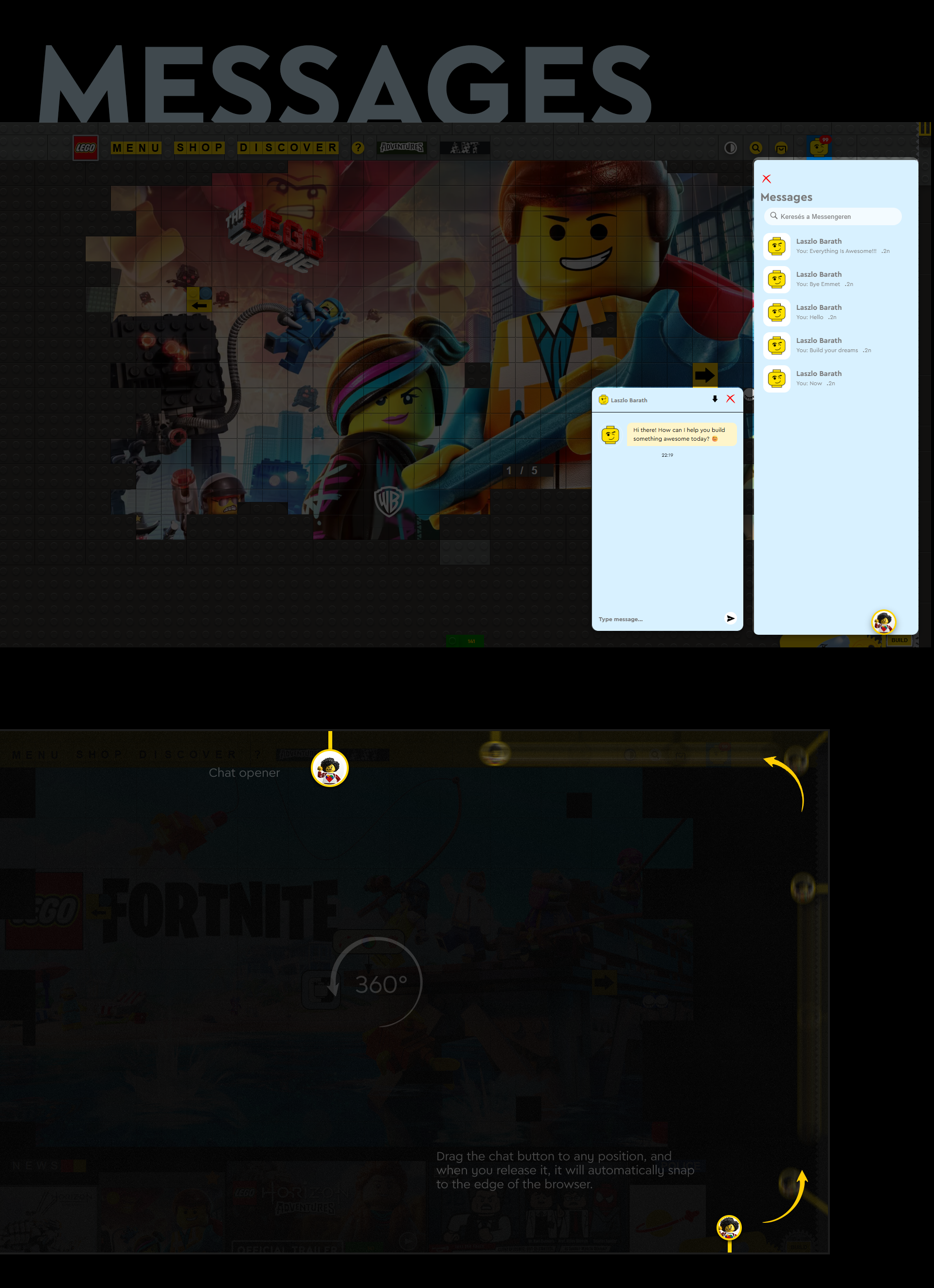
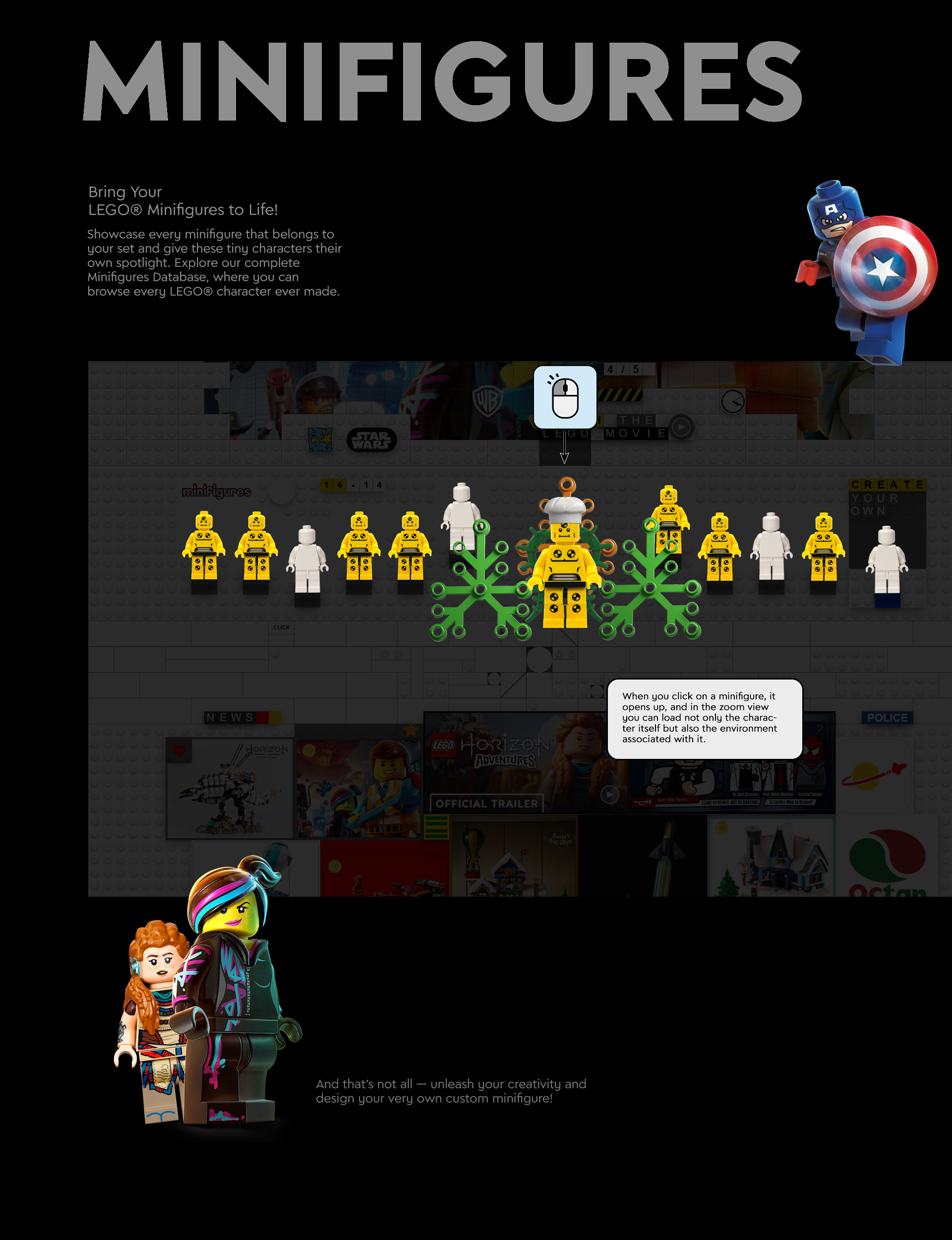
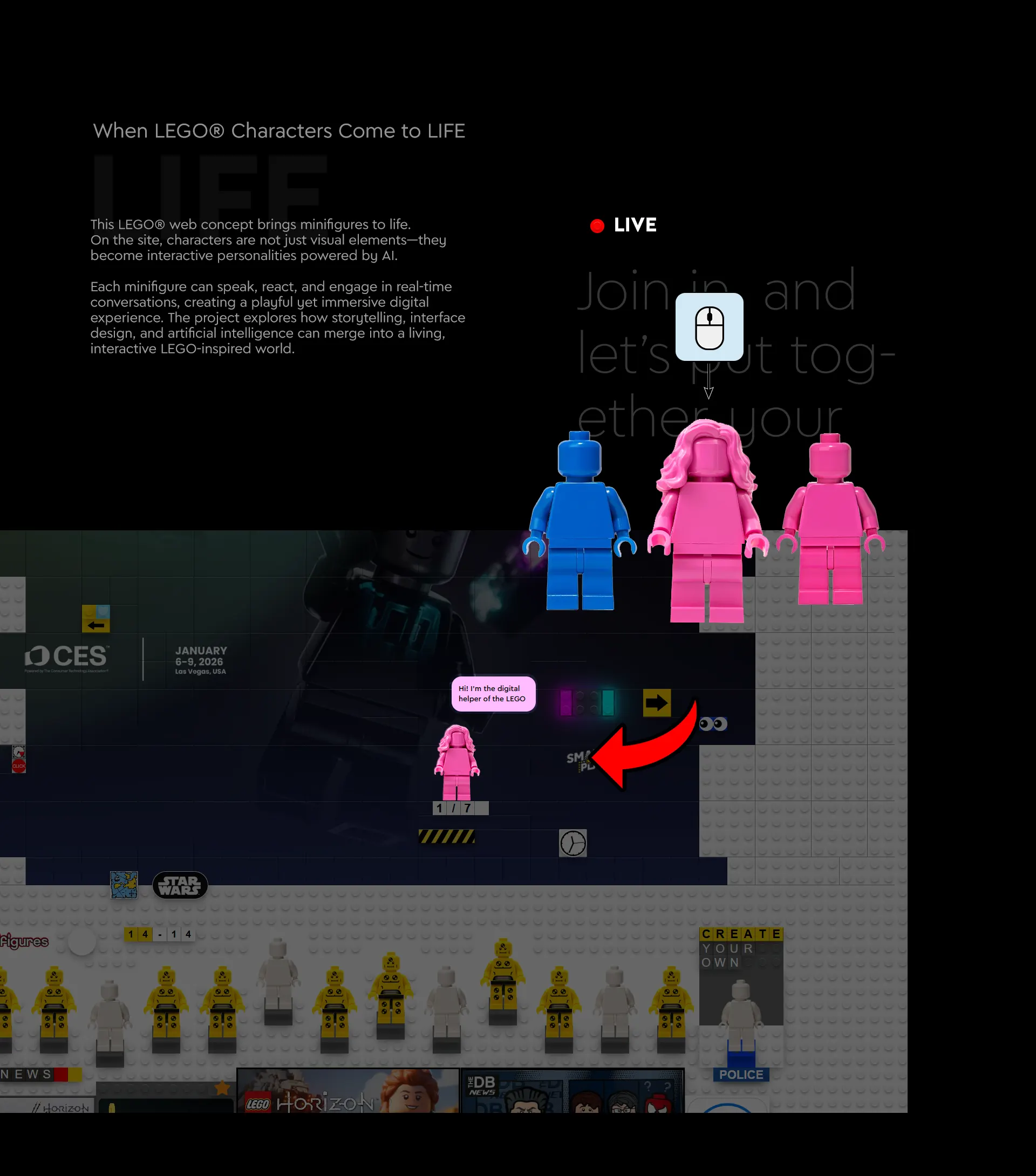
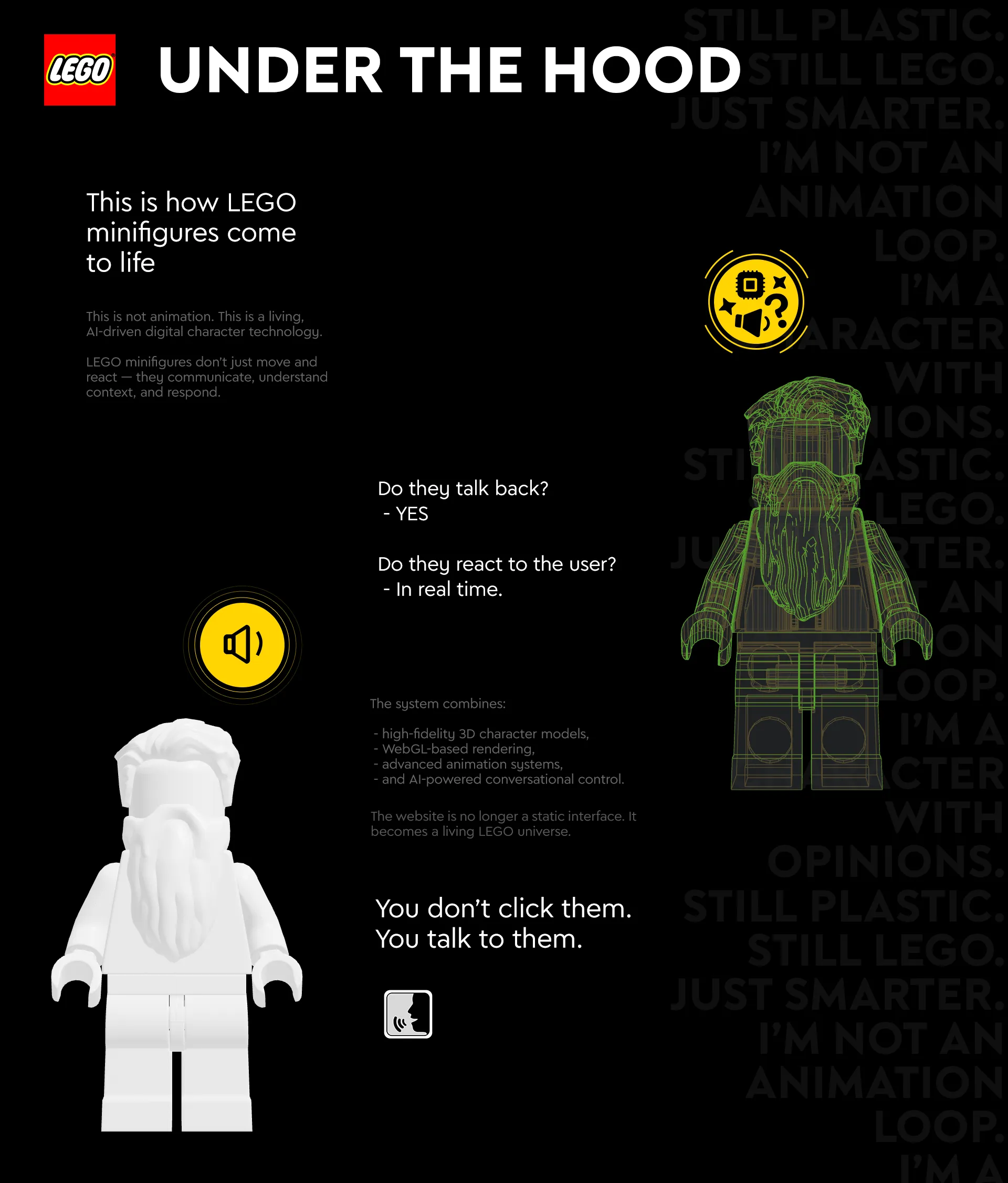
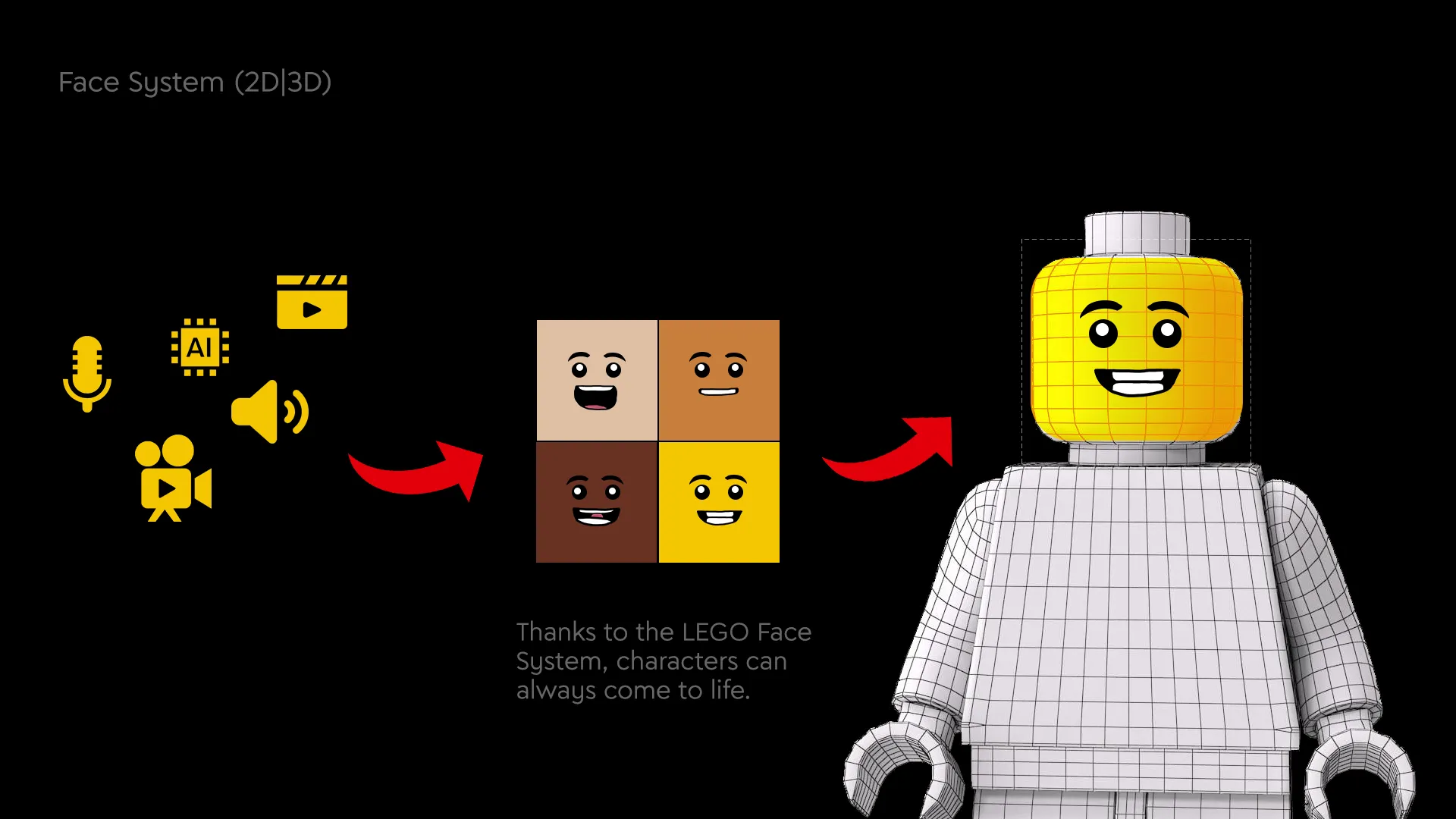
- Minifiguren-Gesichtsanimationssystem – dynamic facial expressions driven by AI-powered states and interactions
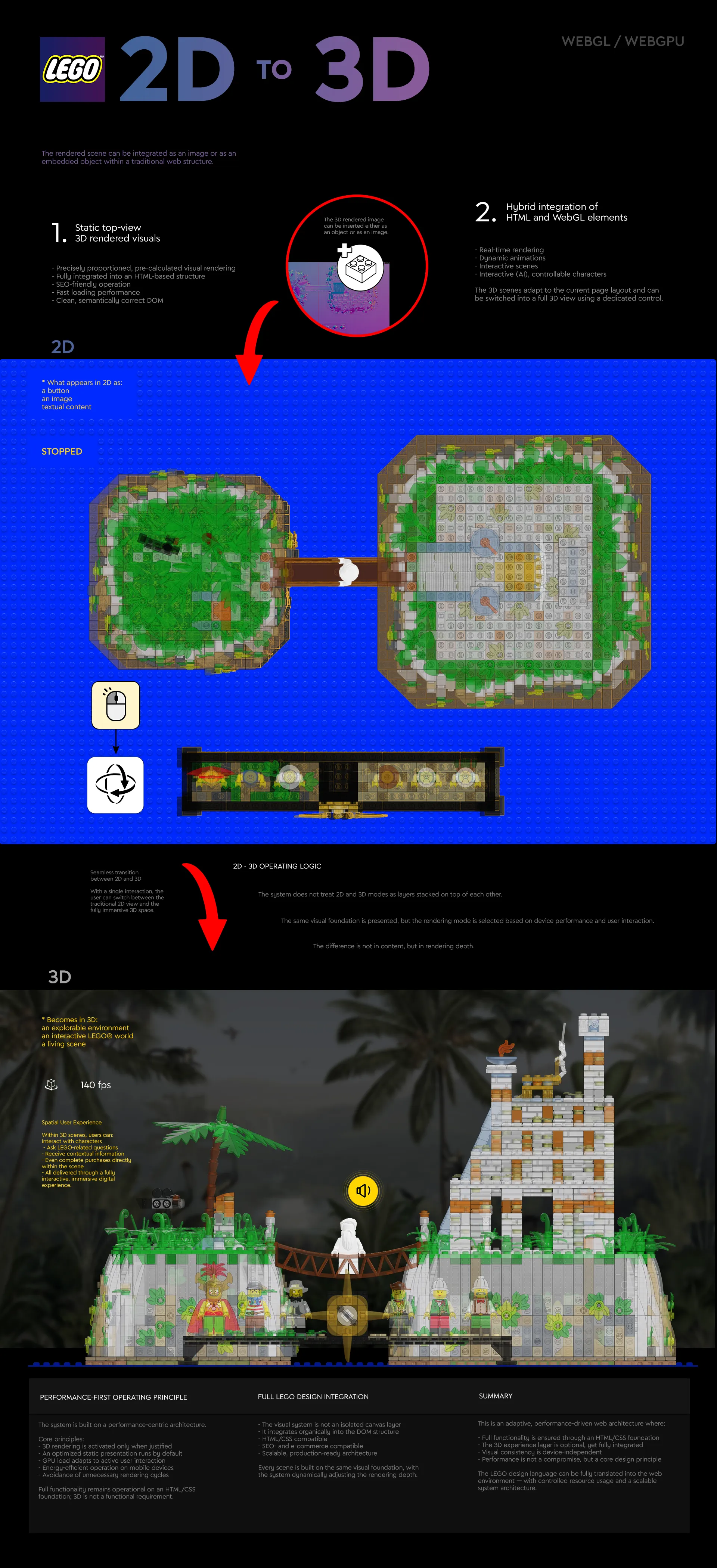
- Multi-Dimensional Rendering – seamless transitions between 2D interfaces and immersive WebGL/WebGPU environments
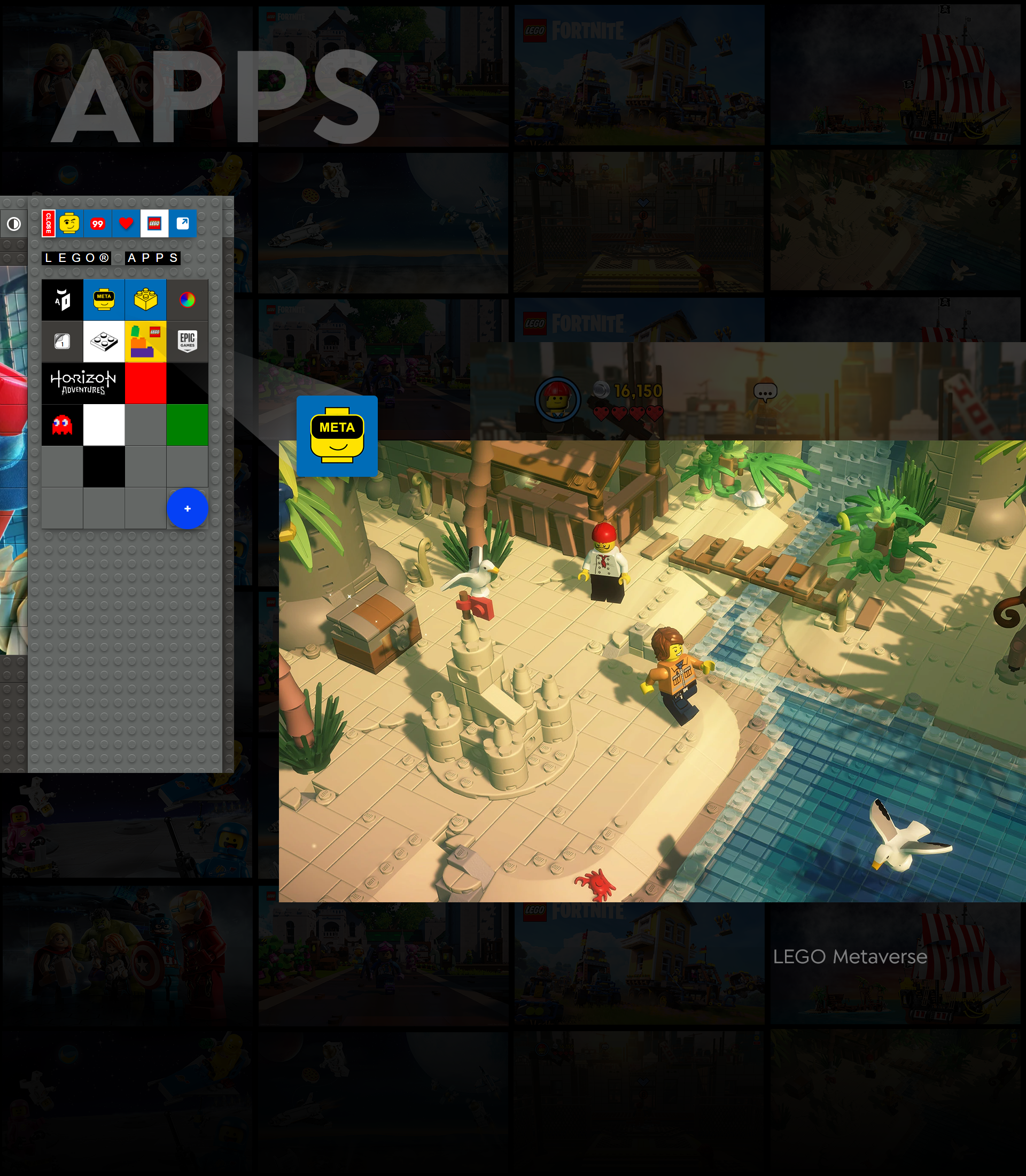
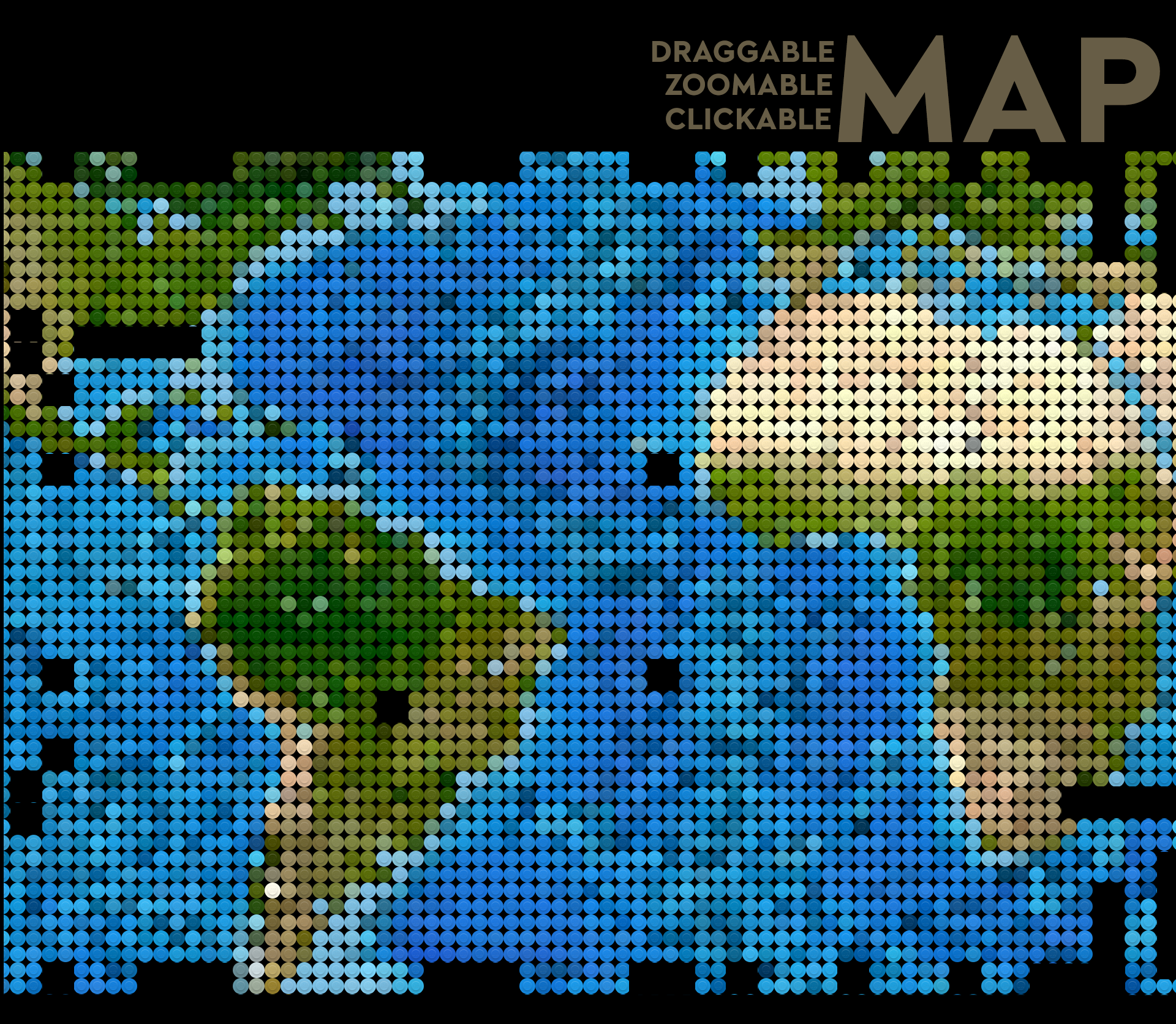
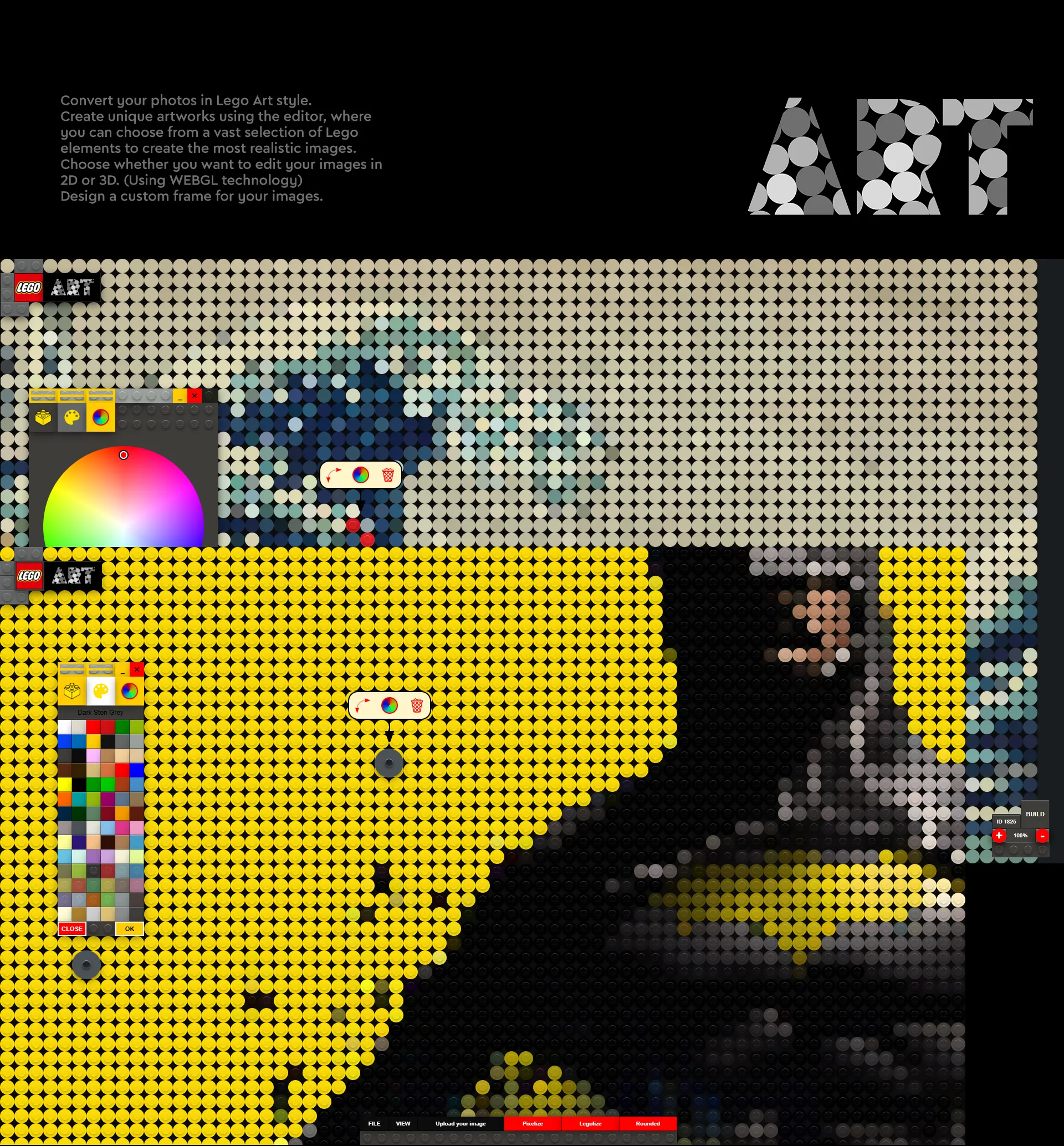
- ** Ecosystem Micro-Apps – integrated LEGO tools including LEGO Maps, LEGO Art Designer, and future modular experiences
UI/UX-Ansatz
I aimed to design an interface that is:
- faithful to LEGO
- playful and tactile
- visually “buildable”
- fully customizable
- technically functional, not just conceptual
Nearly every component reacts in real time:
colors, stickers, textures, UI states, and patterns can be changed like pieces in a digital LEGO toolkit.
Visuelles System & Styleguide
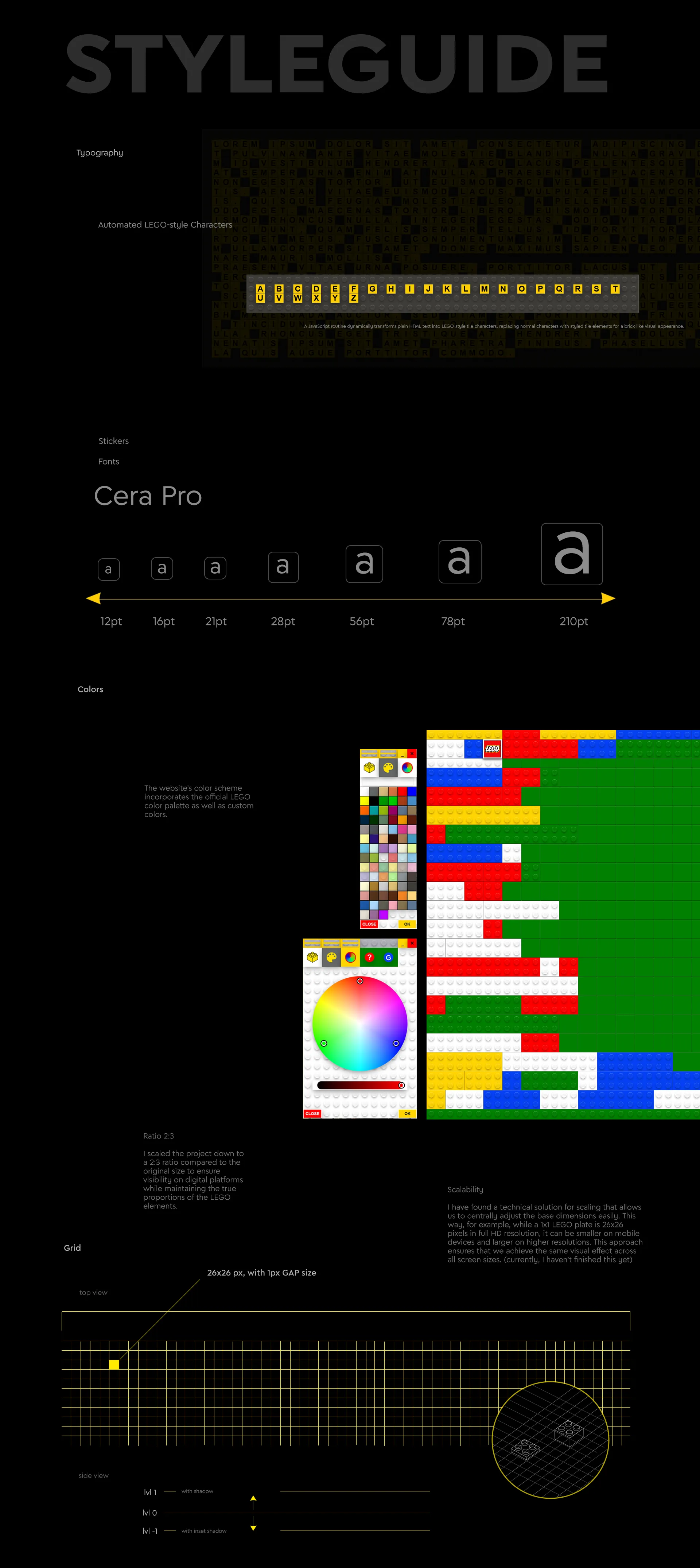
- Automatic LEGO-style typography – text transforms into LEGO-like characters
- Cera Pro + LEGO typography hybrid
- LEGO color palette + extended custom colors
- 2D / 3D / hybrid rendering styles
- Clean, grid-based visual system
- Extensive UI Kit (inputs, dialogs, select boxes, sliders, overlays, sticker tools, etc.)
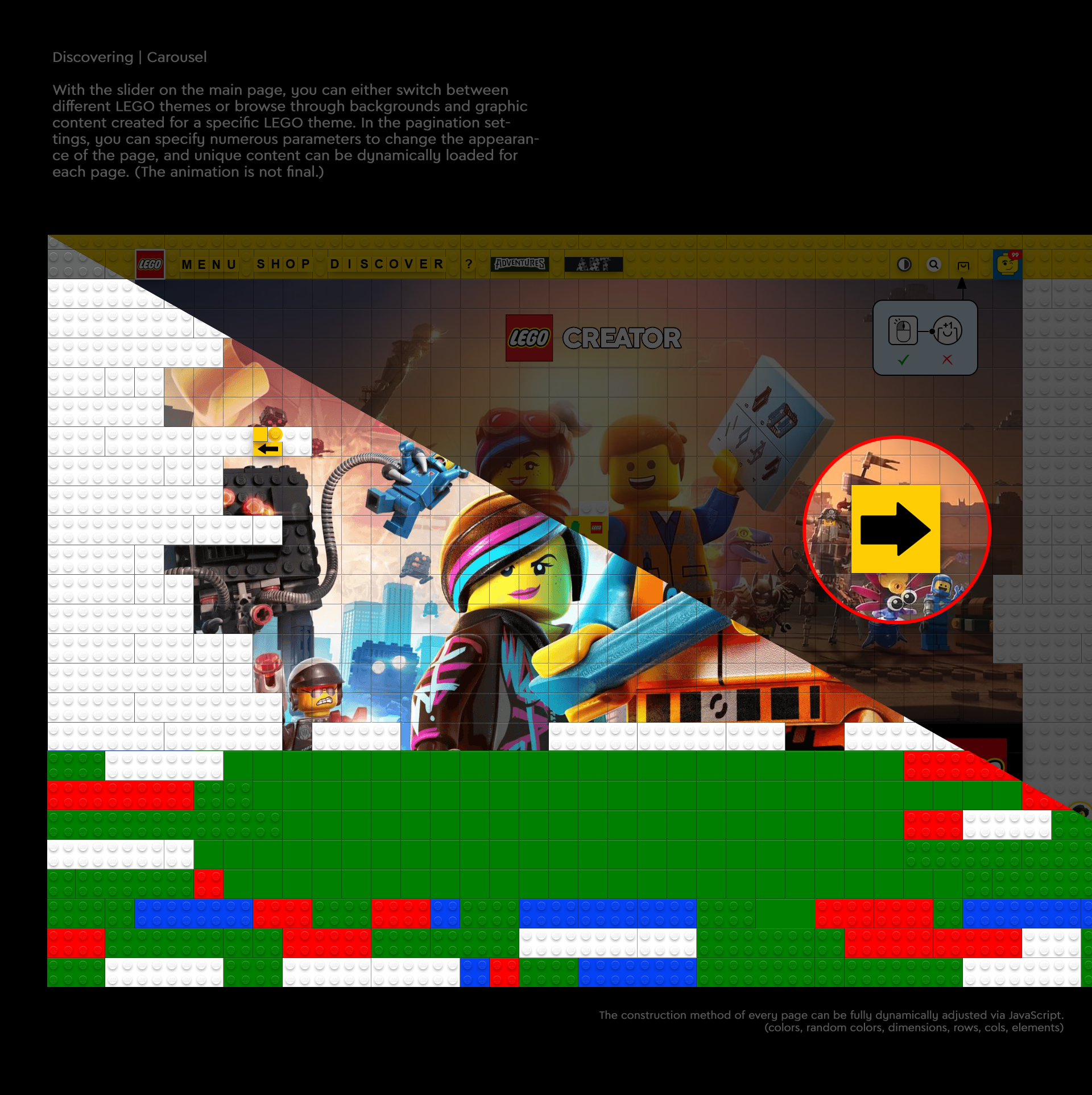
Carousel & Entdecken
The main carousel allows:
rapid switching between LEGO themes browsing custom backgrounds loading unique theme-based content dynamic page-level transformations The entire carousel is built from LEGO “blocks,” with fully replaceable elements.
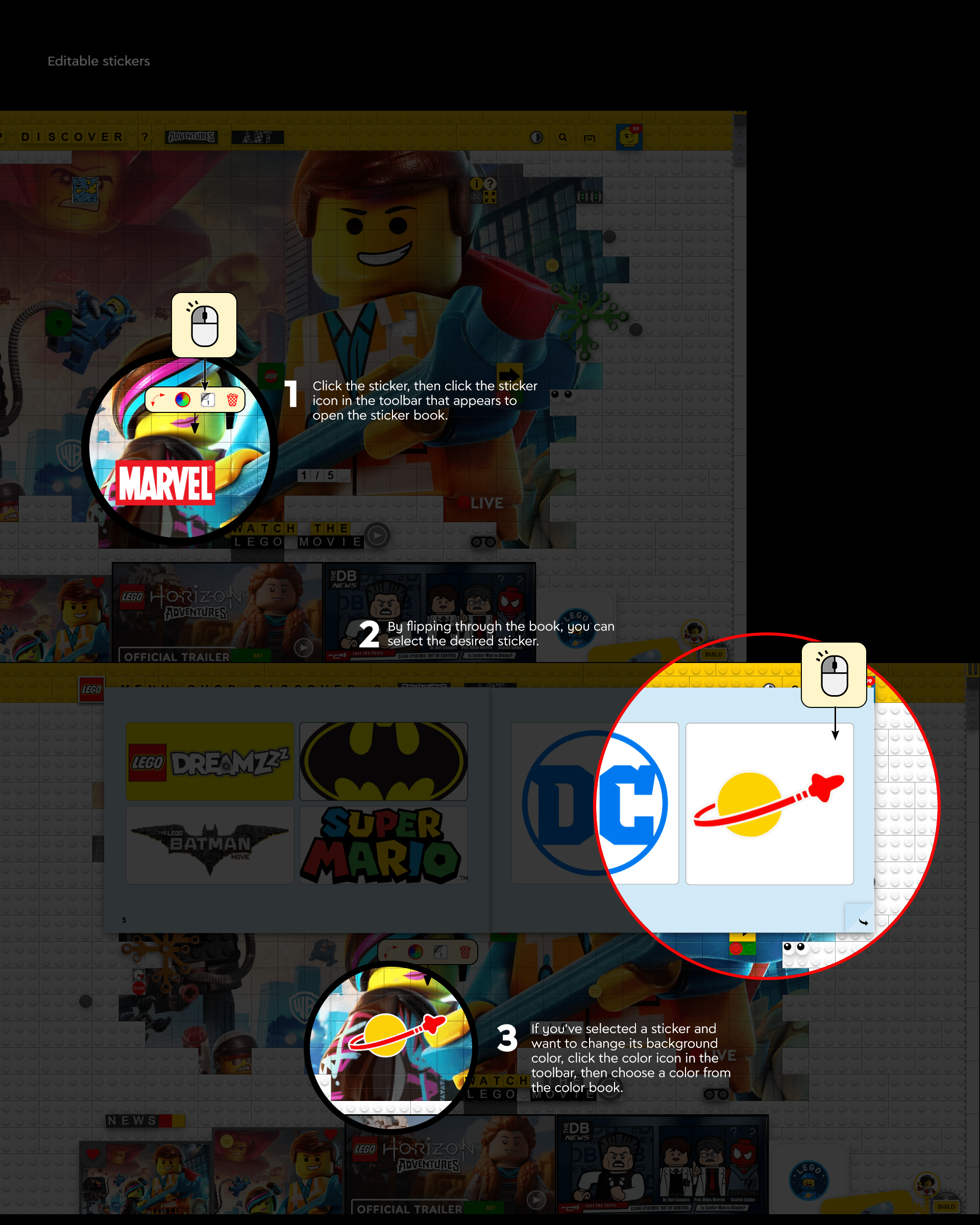
Bearbeitbare Sticker
The sticker system enables:
selecting any LEGO-based UI element browsing stickers with a book-style interface changing background color and size integrating brand logos and custom graphics This feature brings modular personalization to every LEGO theme.
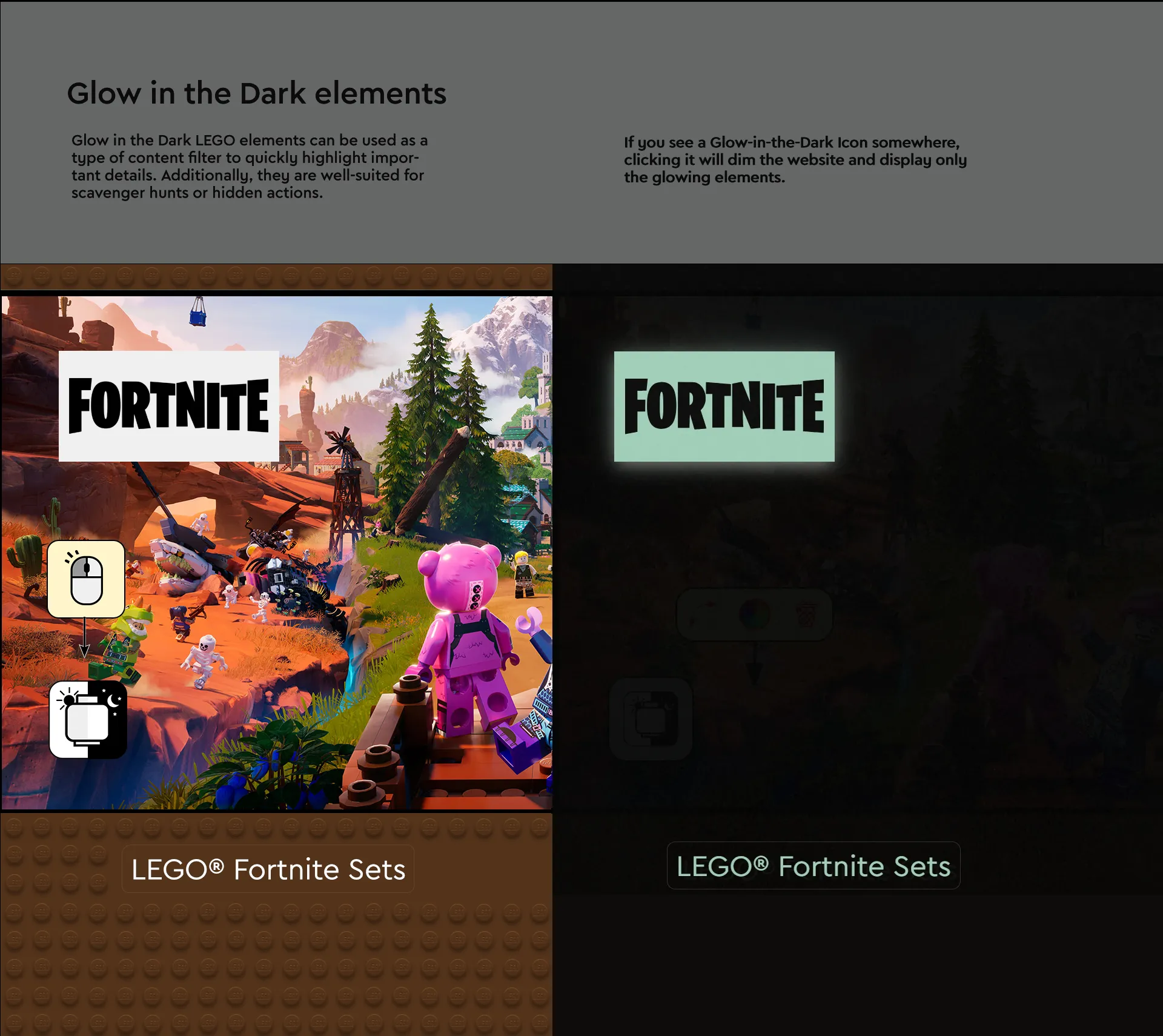
Glow-in-the-Dark-Interaktionen
Glow-in-the-Dark elements function as a content filter: one click dims the entire website and highlights only glowing LEGO parts. Perfect for hidden-object ideas, scavenger hunts, or interactive reveals—while also doubling as a high-contrast accessibility mode that reduces visual noise, improves content focus, and supports WCAG accessibility principles.
Muster & Anpassung
Every visual element of the page can be modified:
opacity shadow LEGO stud type color pattern and texture 2D / 3D / Technic style The Pattern Creator enables users to create and save custom LEGO patterns.
Raster & CSS-Architektur
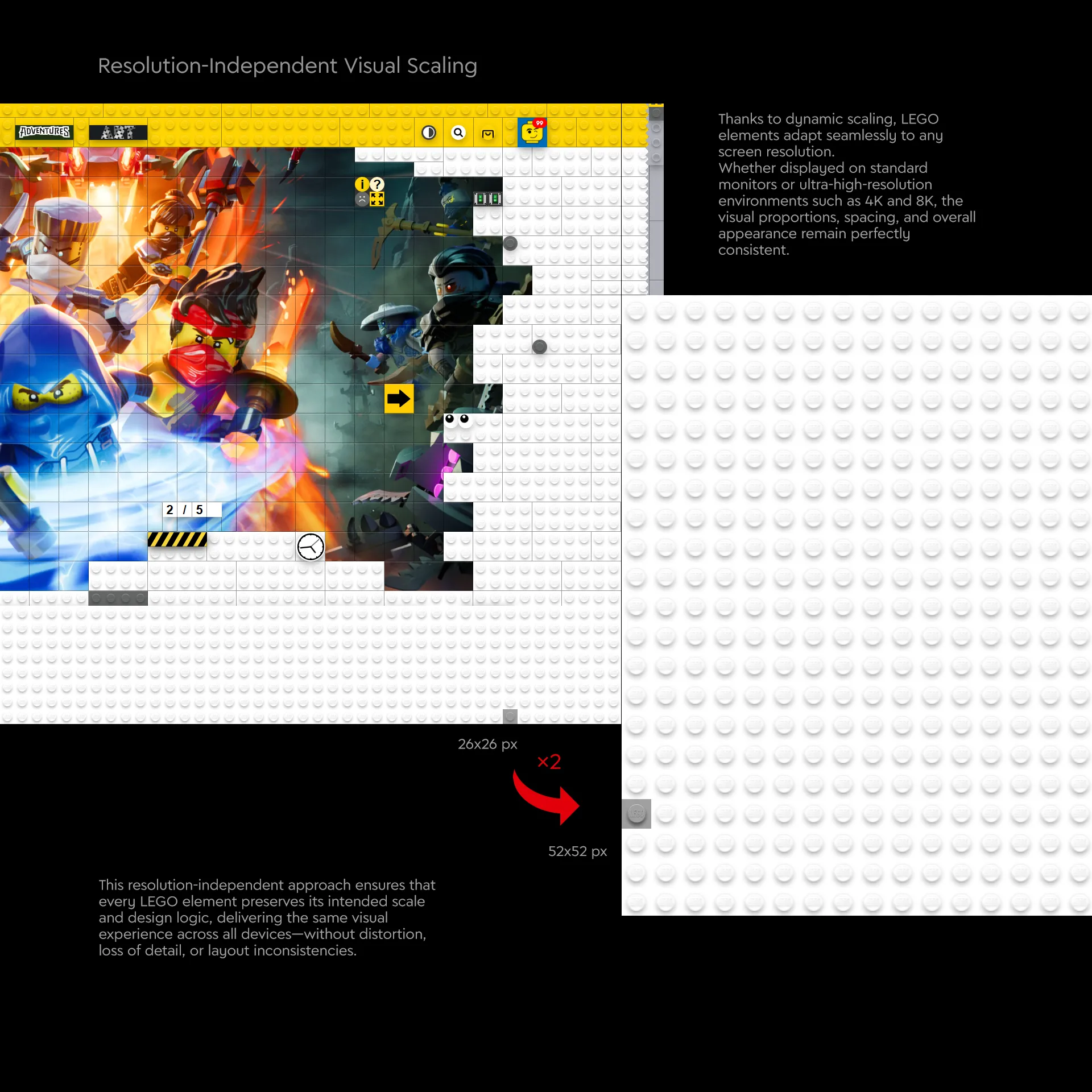
To maintain LEGO-like consistency across the entire interface,
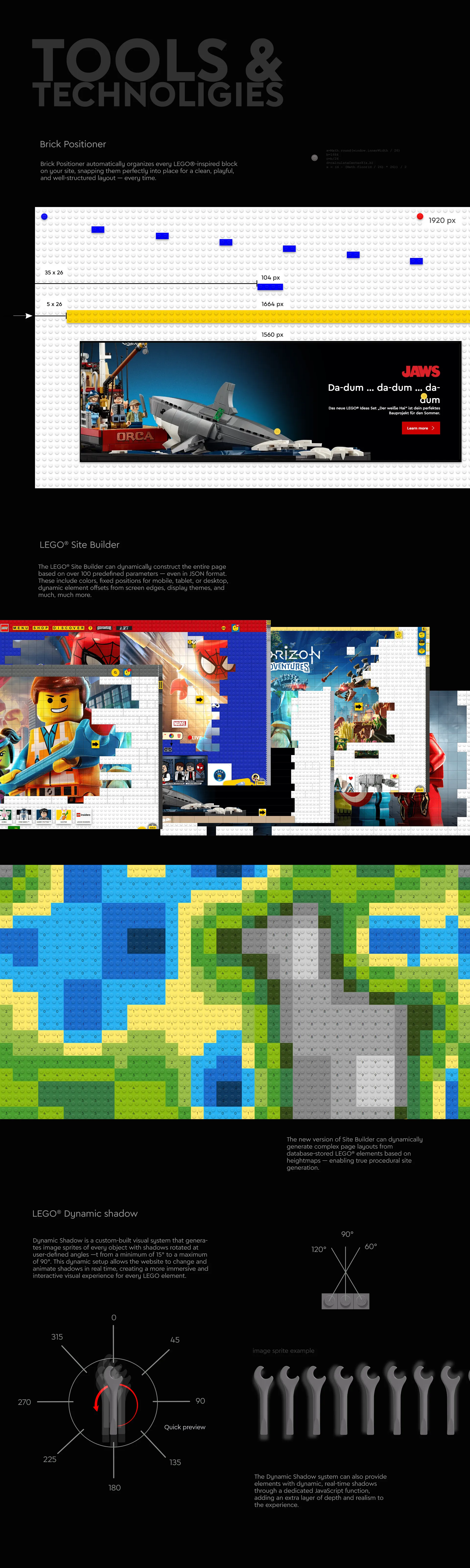
I developed a custom sizing and layout system based on a 26×26 pixel LEGO plate unit.
Rather than relying on arbitrary spacing values, layouts, dimensions, and component proportions are generated through predefined utility classes and scalable grid variables. This allows every digital component to behave like a physical LEGO element, following the same structural rules and constraints.
Examples of the modular layout system include:
• grid2x4 / grid4x2 for structural UI blocks
• width6 / height12 for precise component sizing
This grid-native architecture enables pixel-accurate positioning, LEGO-compatible snapping, and consistent scaling across the entire ecosystem while keeping the DOM lightweight and highly performant.
Technologie
HTML
CSS (dynamic generation)
JavaScript
Custom LEGO Rendering Engine (2D / 3D / hybrid)
Custom snapping & pattern system
All screens and UI components are generated in real time — no Photoshop compositions.
Technische Ziele
- SEO-freundlich
- DOM-basiert
- Barrierefrei
- Leichtgewichtig
- Progressive Enhancement
- Keine externe Runtime
Für Designer & Creative Directors
Performance- & SEO-Architektur: 3D-Ästhetik ohne Overhead
Most 3D or highly immersive web experiences fall into the same traps: abysmal mobile performance, massive bundle sizes, and zero SEO visibility. I architected the LEGOLIZE Engine to solve this fundamentally.
Instead of forcing a heavy WebGL runtime on the client, I built a custom texture pipeline that programmatically generates dynamic, ultra-optimized sprites and textures. The result? 100% semantic, SEO-friendly HTML/CSS/JS with instantaneous load times, while delivering a rich, tactile 3D visual language. It’s high-fidelity design running on my production-ready, lightweight performance logic.
Für Tech Leads & Engineering Manager
Die zentralen Engineering-Prinzipien: Geschwindigkeit & SEO zuerst
I reject the trade-off between immersive visuals and performance. Instead of rendering heavy 3D geometry in real-time on the client side, my custom engine handles texture generation programmatically to build modular sprite sheets.
This architecture ensures that the entire layout remains fully indexable by search engines (SEO-native) and requires zero heavy runtime processing. I built it to deliver a 3D-like, highly interactive experience on top of rock-solid web standards that perform flawlessly even on low-end mobile devices.
LEGO SiteEngine
Below is an overview of the custom JavaScript core features powering this LEGO-inspired web system — covering building logic, interaction, and visual behavior.
LEGO SiteEngine

├─ Basement
│   └─ LEGO
│      → global class
│
├─ Site Composition System
│   │─ LEGO SiteBuilder
│   │  → global site composition and assembly logic
│   │
│   └─ LEGO Background Layer
│      → background plate builder & positioner
│
├─ Structural System
│   ├─ Grid Builder
│   │  → modular grid and layout construction
│   │
│   ├─ LEGO Architect
│   │  → responsible for designing and rendering the site's structural layout
│   │
│   ├─ LEGO Plate Builder
│   │  → plate-level structural composition
│   │
│   ├─ LEGO Brick Builder
│   │  → brick-level building and hierarchy logic
│   │
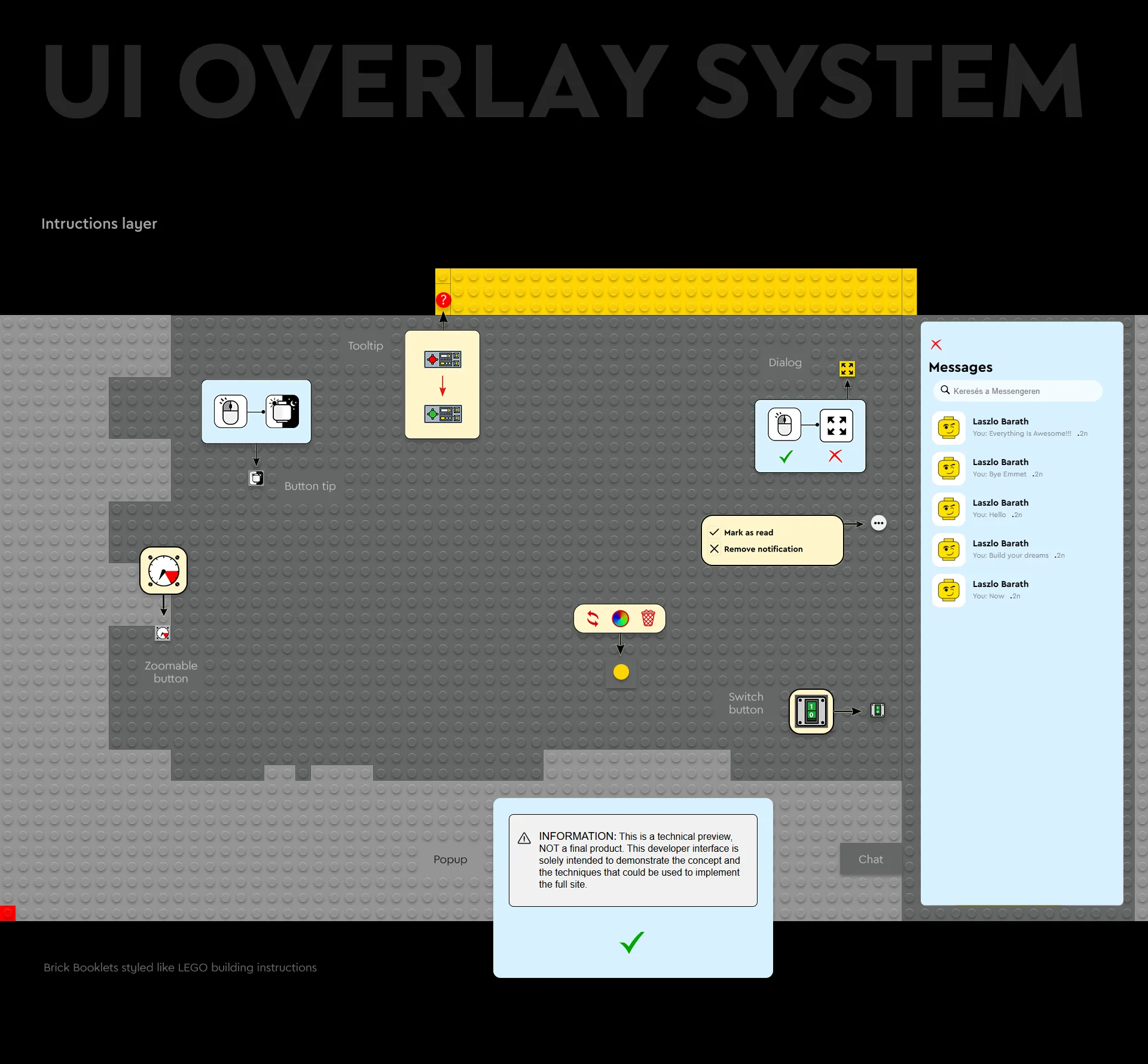
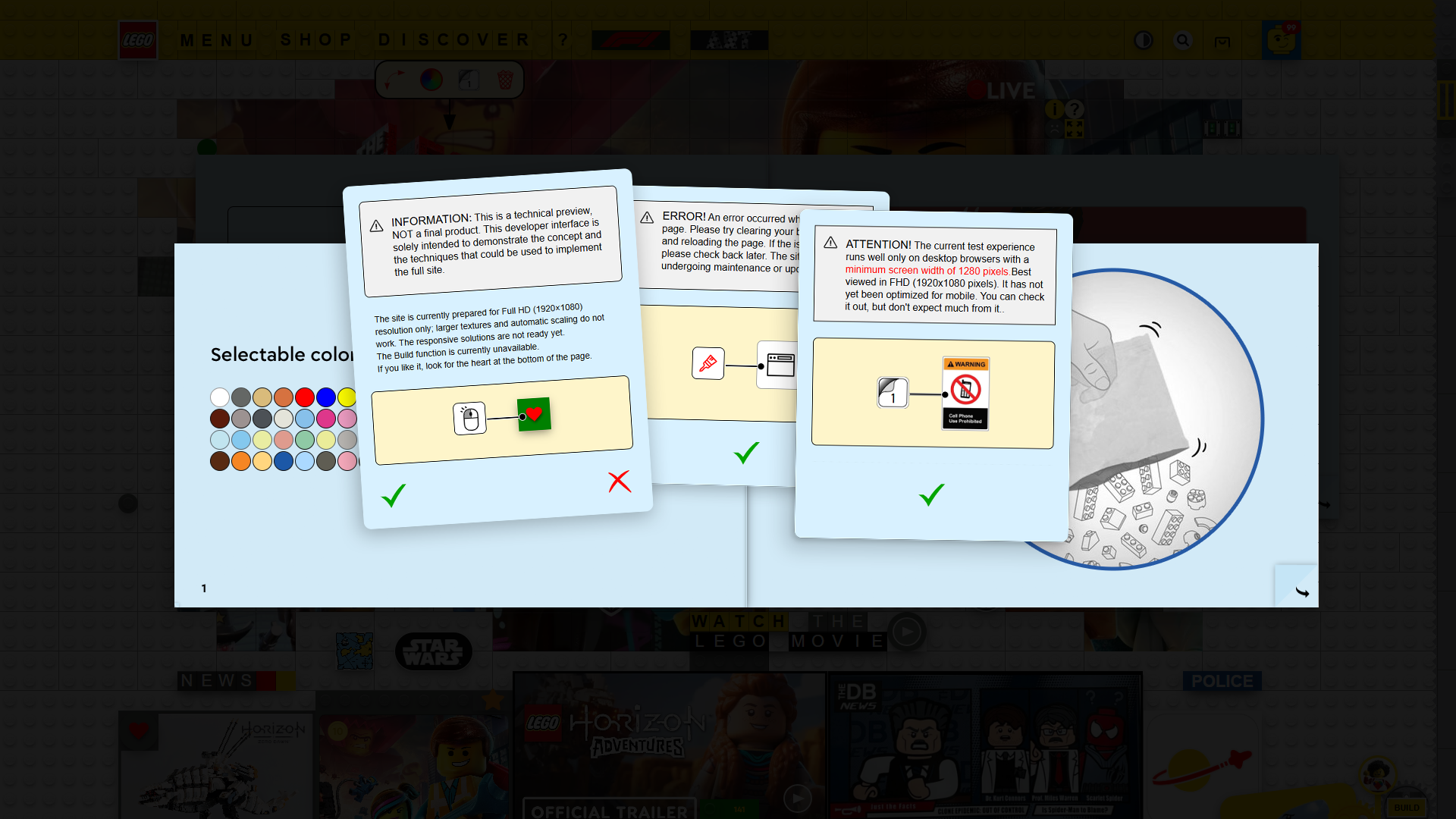
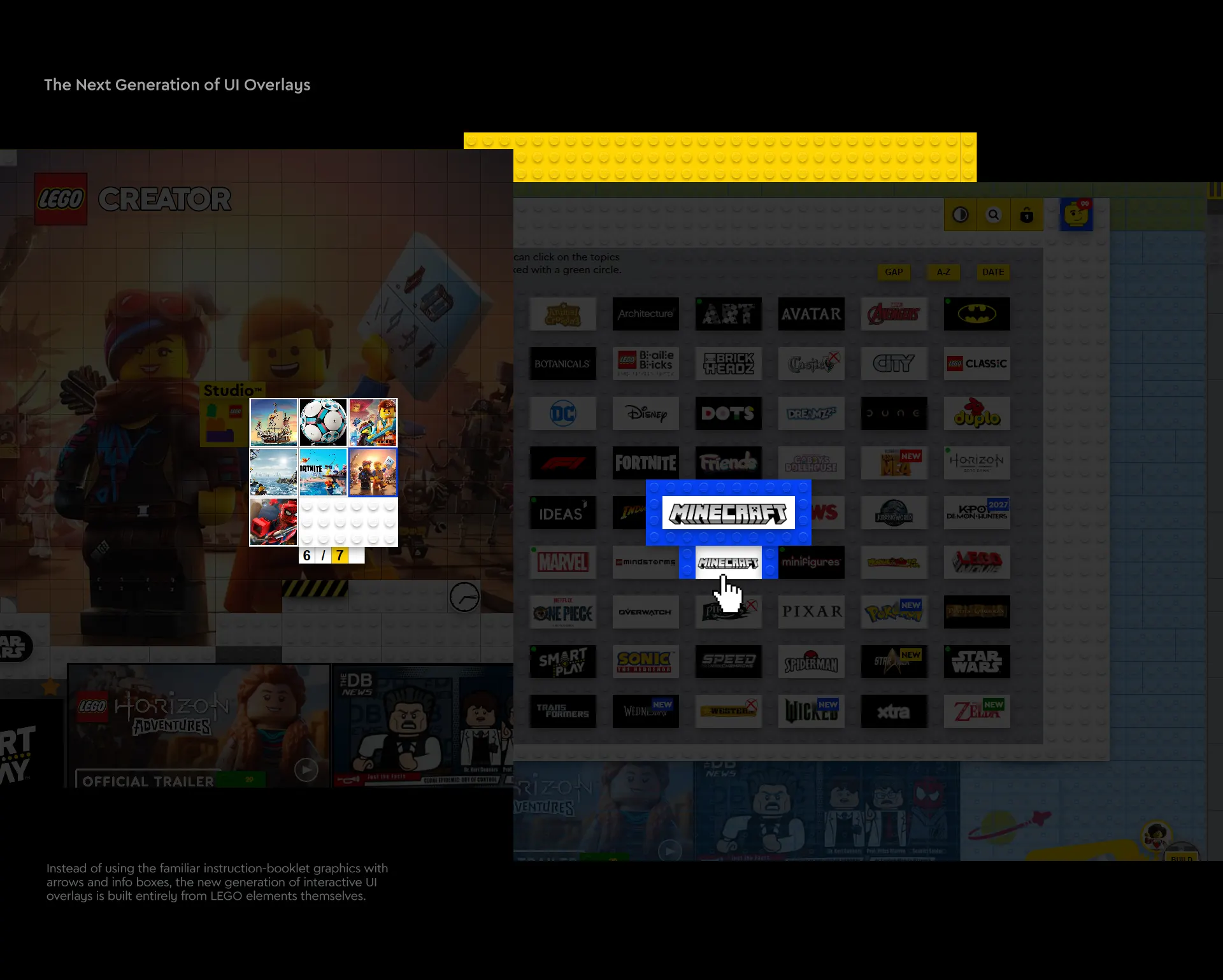
│   ├─ LEGO Overlay
│   │  → manages transparent interface components built from translucent LEGO elements
│   │
│   └─ LEGO Mask
│      → mask creator
│
├─ Layout & Alignment System
│   ├─ LEGO Gap Controller
│   │  → spacing and micro-tolerance management between elements
│   │
│   └─ LEGO Magnet Controller
│      → dynamic snap-to-stud alignment and precision positioning
│
├─ Content System
│   ├─ LEGO Text
│   │  → text layout and typography aligned to the LEGO grid
│   │
│   ├─ LEGO Writer
│   │  → dynamic text rendering and content injection
│   │
│   └─ LEGO Input Maker
│      → custom input creation and interaction handling
│
├─ Interaction System
│   ├─ LEGO Slider Builder
│   │  → modular slider and parametric value control
│   │
│   ├─ LEGO UI Builder
│   │  → tooltip, popup, and overlay UI construction
│   │
│   ├─ LEGO Slider
│   │  → controls navigable page sections
│   │
│   └─ LEGO Figure Controller
│      → figure behavior, positioning, and interaction logic
│
├─ Visual System
│   ├─ LEGO Organic Site
│   │  → enables the site to evolve dynamically based on time, date, and time of day
│   │
│   └─ LEGO Shadow Engine
│      → state-driven shadow and depth rendering
│
├─ Experience System
│   ├─ LEGO Recolor
│   │  → complete real-time recoloring control for LEGO elements
│   │
│   ├─ LEGO Organiser
│   │  → responsible for organizing and arranging LEGO elements
│   │
│   └─ LEGO Builder Engine
│      → core building and construction functionality
│
├─ Rendering System
│   ├─ LEGO Canvas Render
│   │  → maximum performance with lightweight rendering
│   │
│   ├─ LEGO WebGL Render
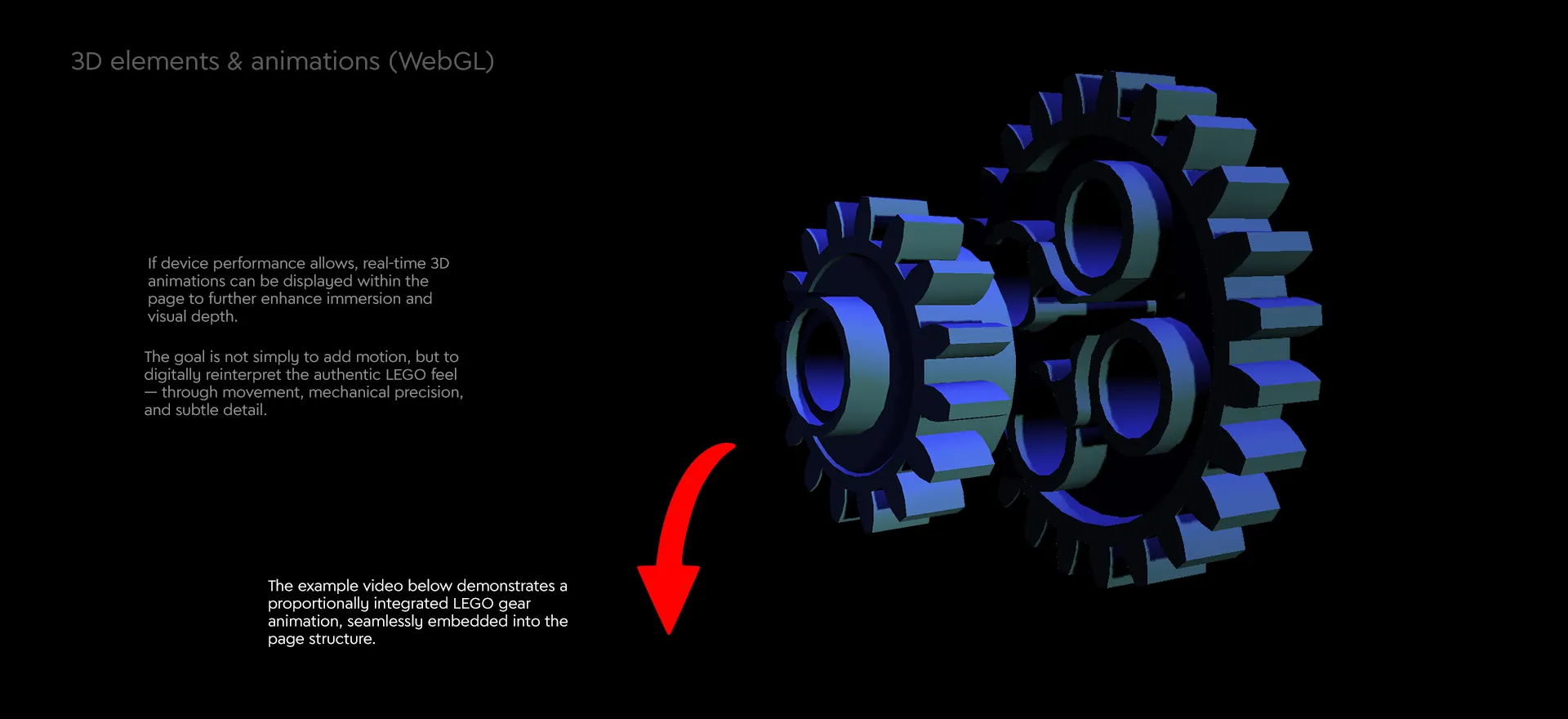
│   │  → high-fidelity animations and advanced visual effects
│   │
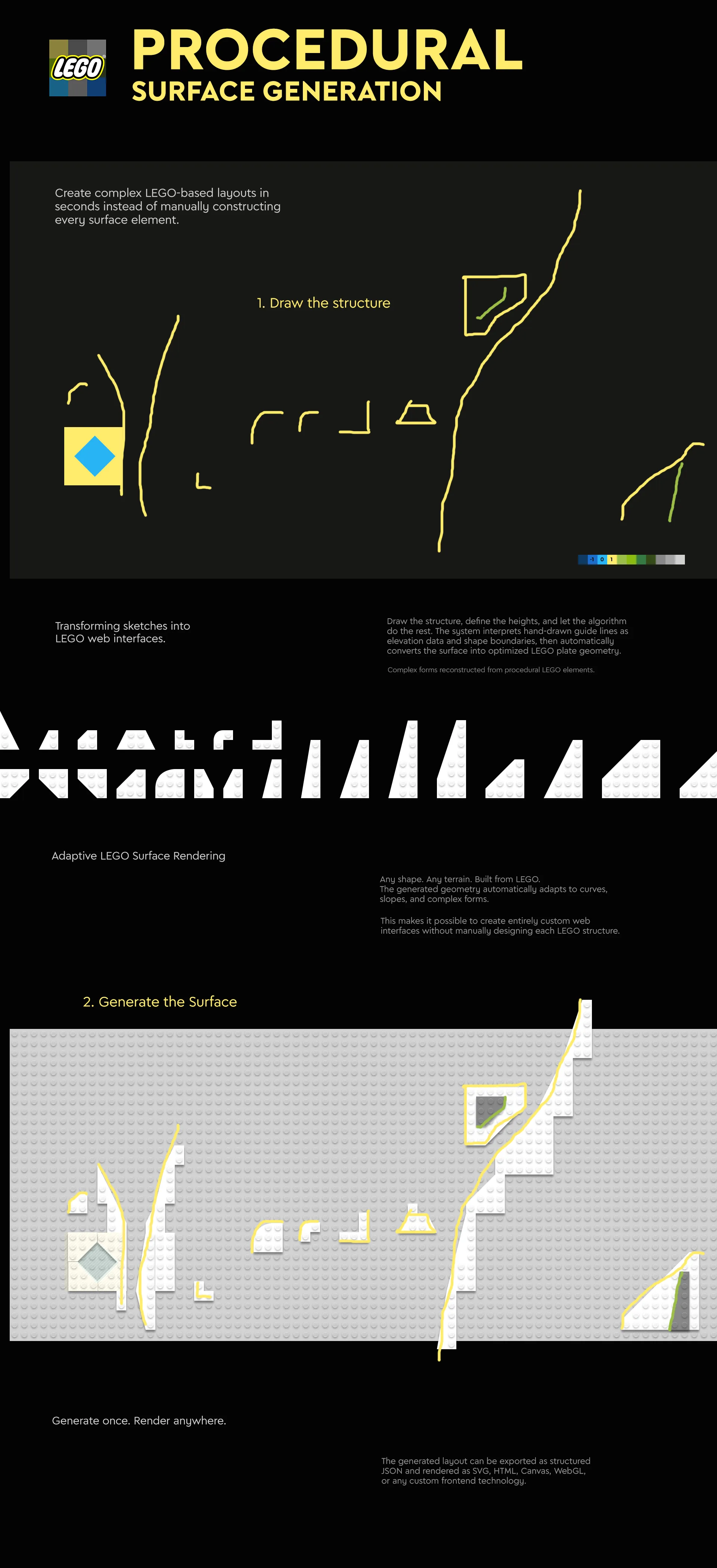
│   └─ LEGO Procedural Render
│      → automatic generation of complex LEGO-based structures
│
└─ Others
    ├─ LEGO AI Bridge
    │  → integration layer connecting AI-driven features with the LEGO-based UI system
    │
    └─ LEGOLIZE
       → core transformation engine that converts traditional UI into a LEGO-based system
Was macht dies anders?
Most LEGO digital experiences exist across multiple websites, applications, stores, games, and platforms. This concept explores what happens when all of those experiences become part of a single LEGO-native ecosystem. Rather than treating LEGO as content displayed inside a website, the website itself becomes part of the LEGO system. Every interface, interaction, collectible, reward, and experience follows the same rules, creating a cohesive digital universe built from LEGO logic.
Zukünftige Entwicklungen
This project was created as an experimental platform rather than a finished product. Its purpose is to explore the potential of LEGO-inspired digital systems and provide a foundation for future experimentation.
Potential future directions include:
AI-assisted building, procedural geometry generation, and customization tools
Advanced AI-driven minifigure interaction frameworks and real-time behavioral responses
Next-generation WebGPU-powered rendering technologies for real-time 3D LEGO brick simulation
Expansion of ecosystem applications, evolving LEGO Maps and LEGO Art Designer into collaborative creation platforms
Community-driven creation systems
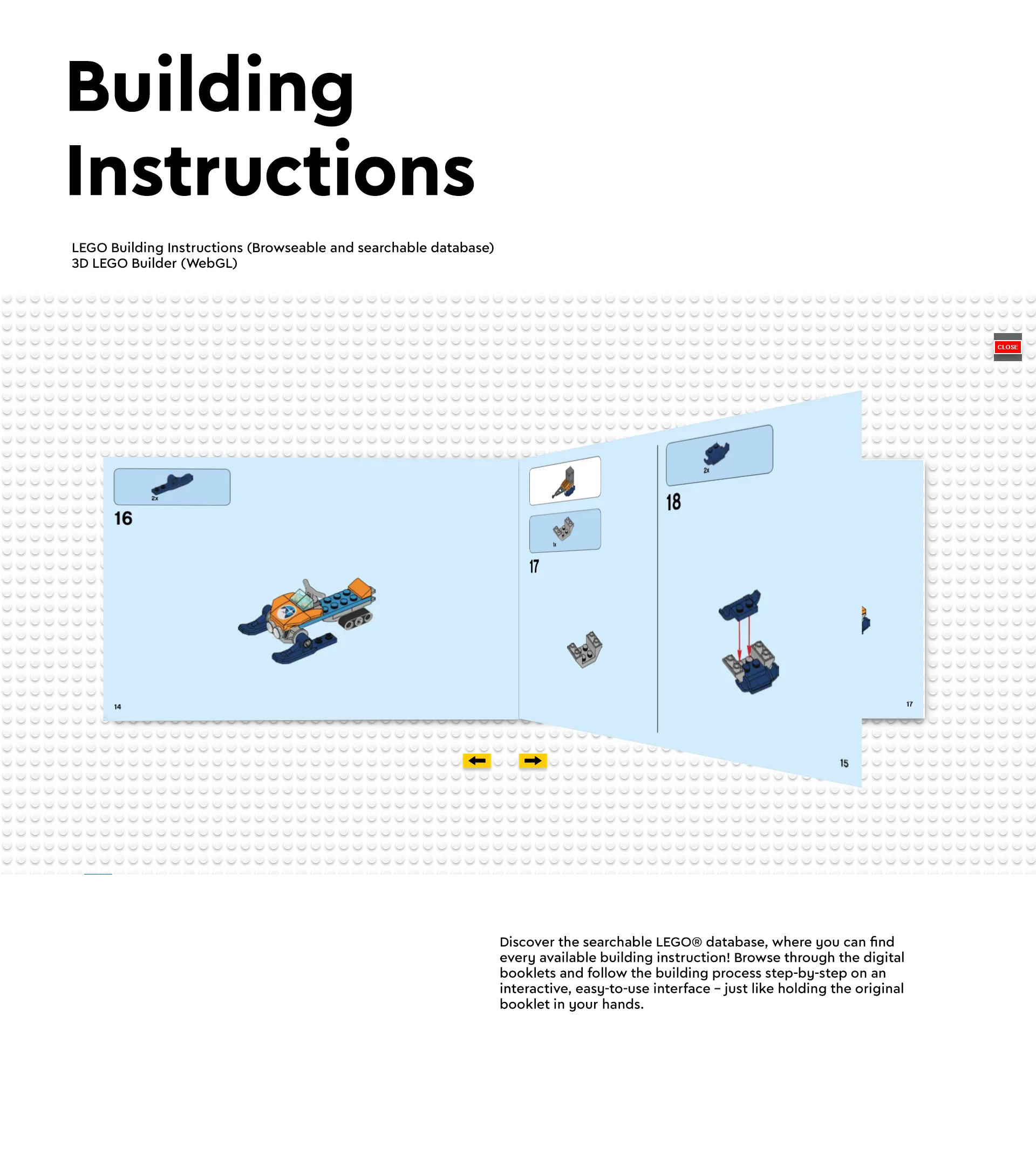
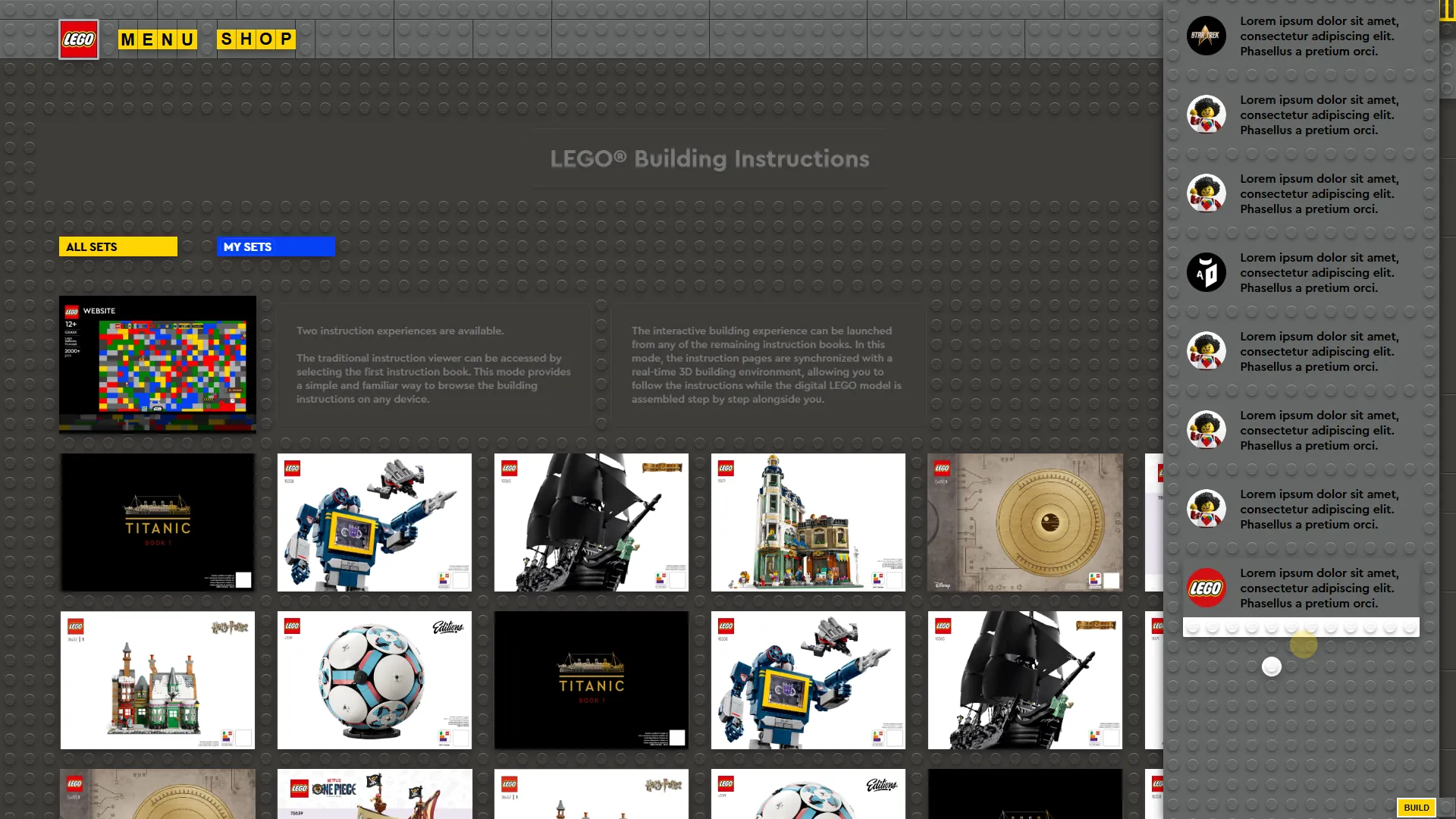
Interactive digital building instructions
Advanced personalization and adaptive layouts
Stronger integration between physical and digital LEGO experiences
The long-term ambition is to continue exploring how LEGO's construction philosophy can inspire new approaches to digital product design, interaction systems, and online experiences.
Fazit
This project explores what happens when LEGO becomes more than content displayed inside a website, and the website itself becomes part of the LEGO system.
A modular, interactive, and customizable digital experience built around LEGO construction principles.
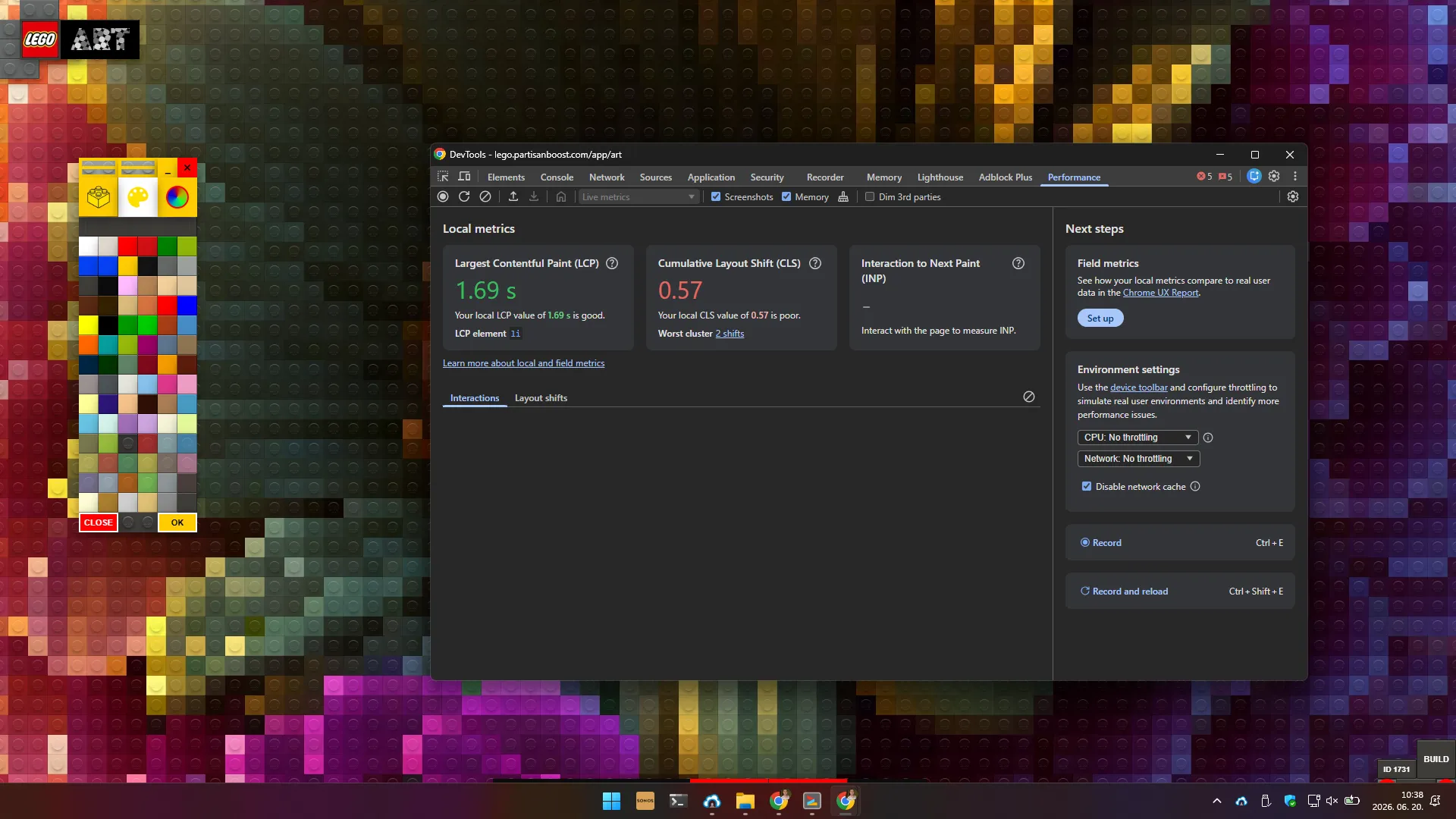
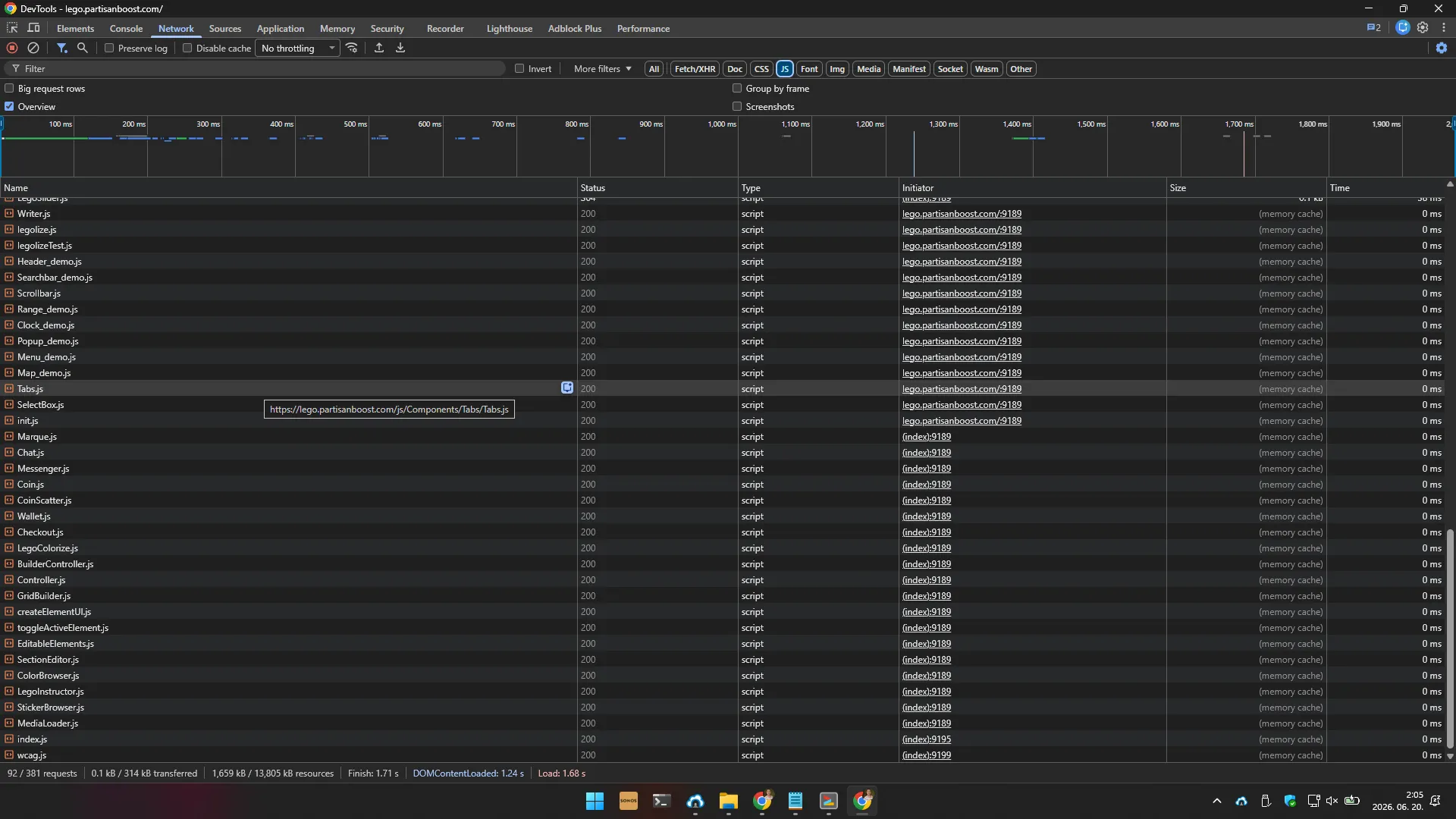
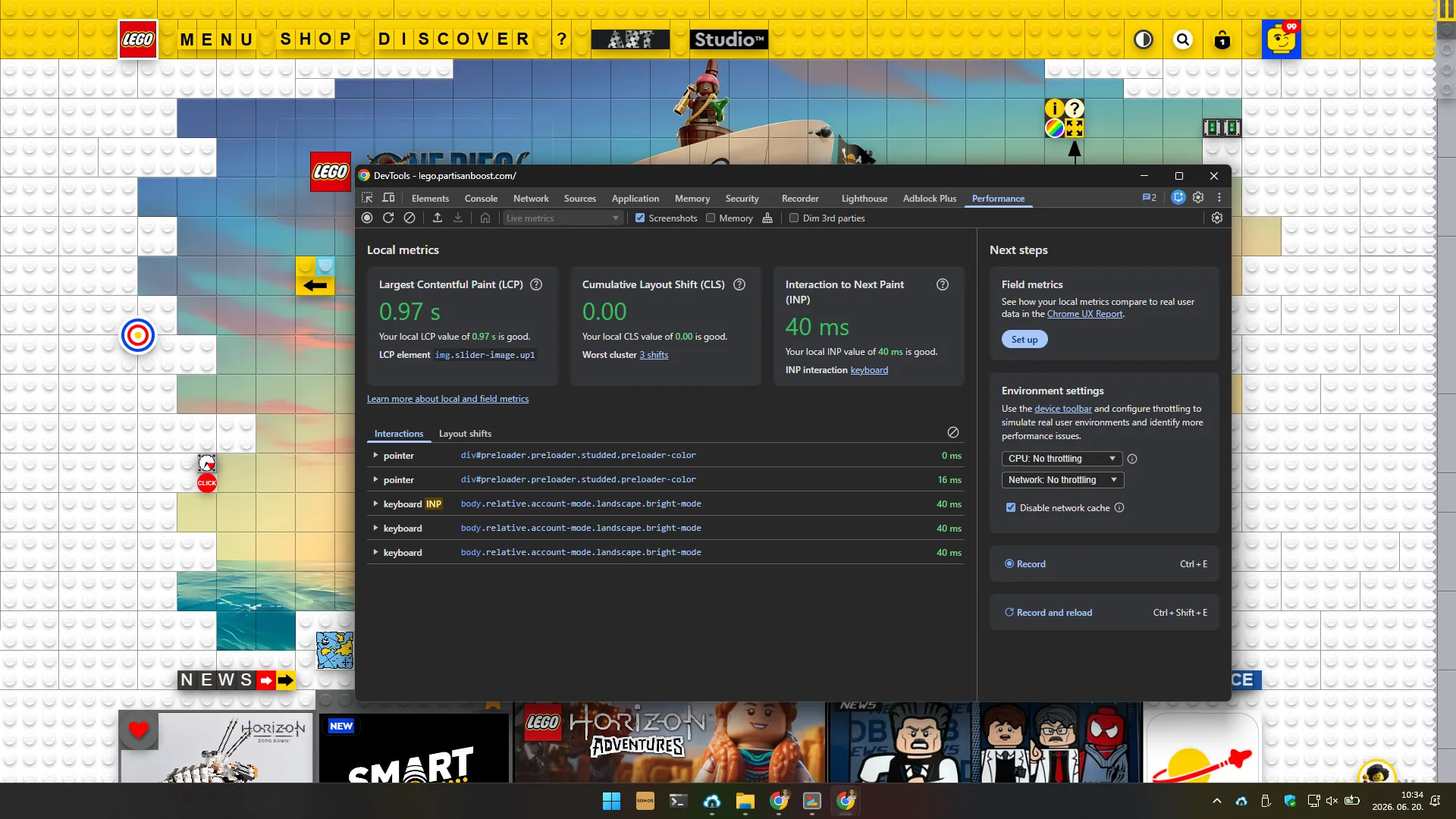
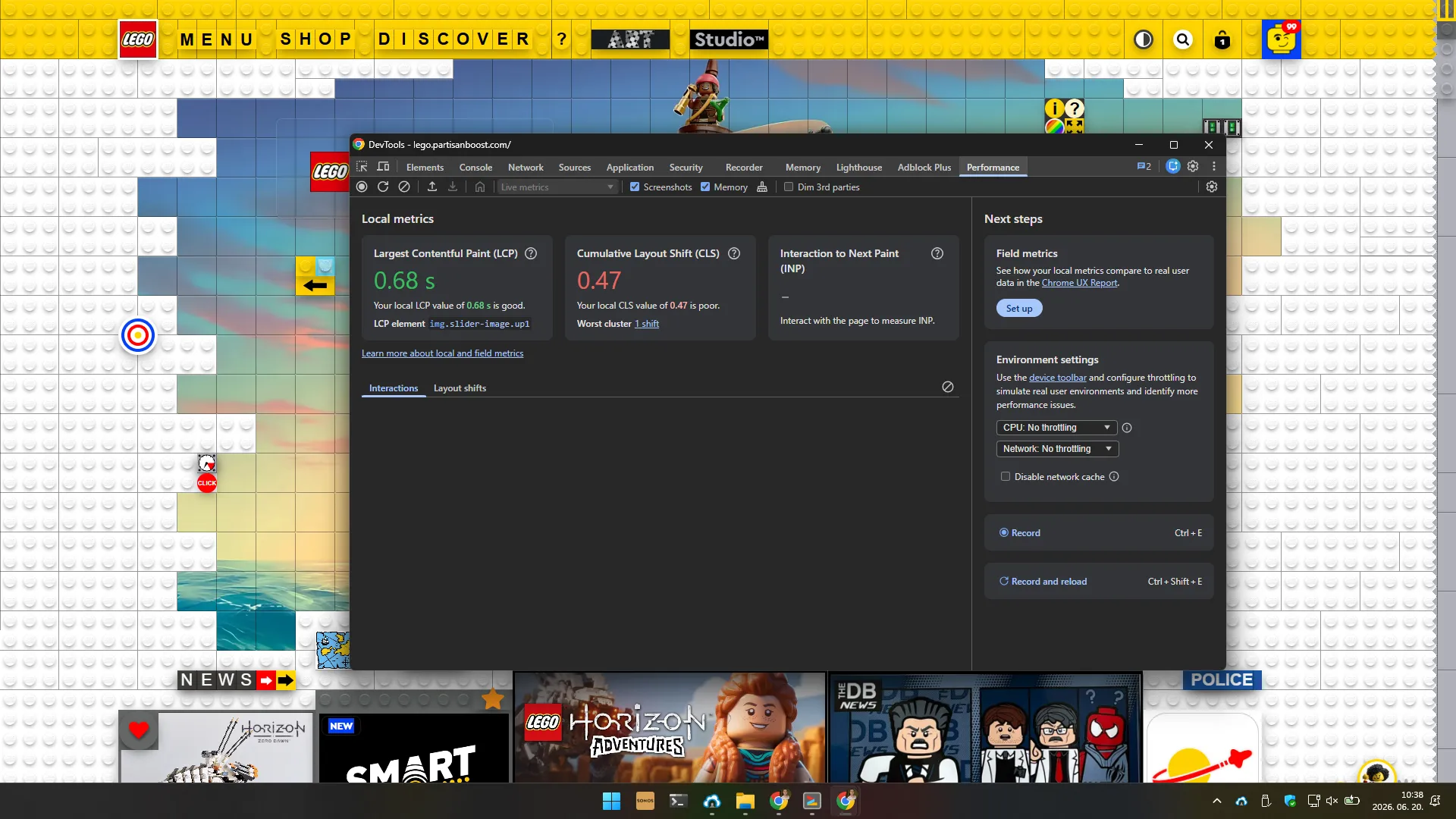
Performance
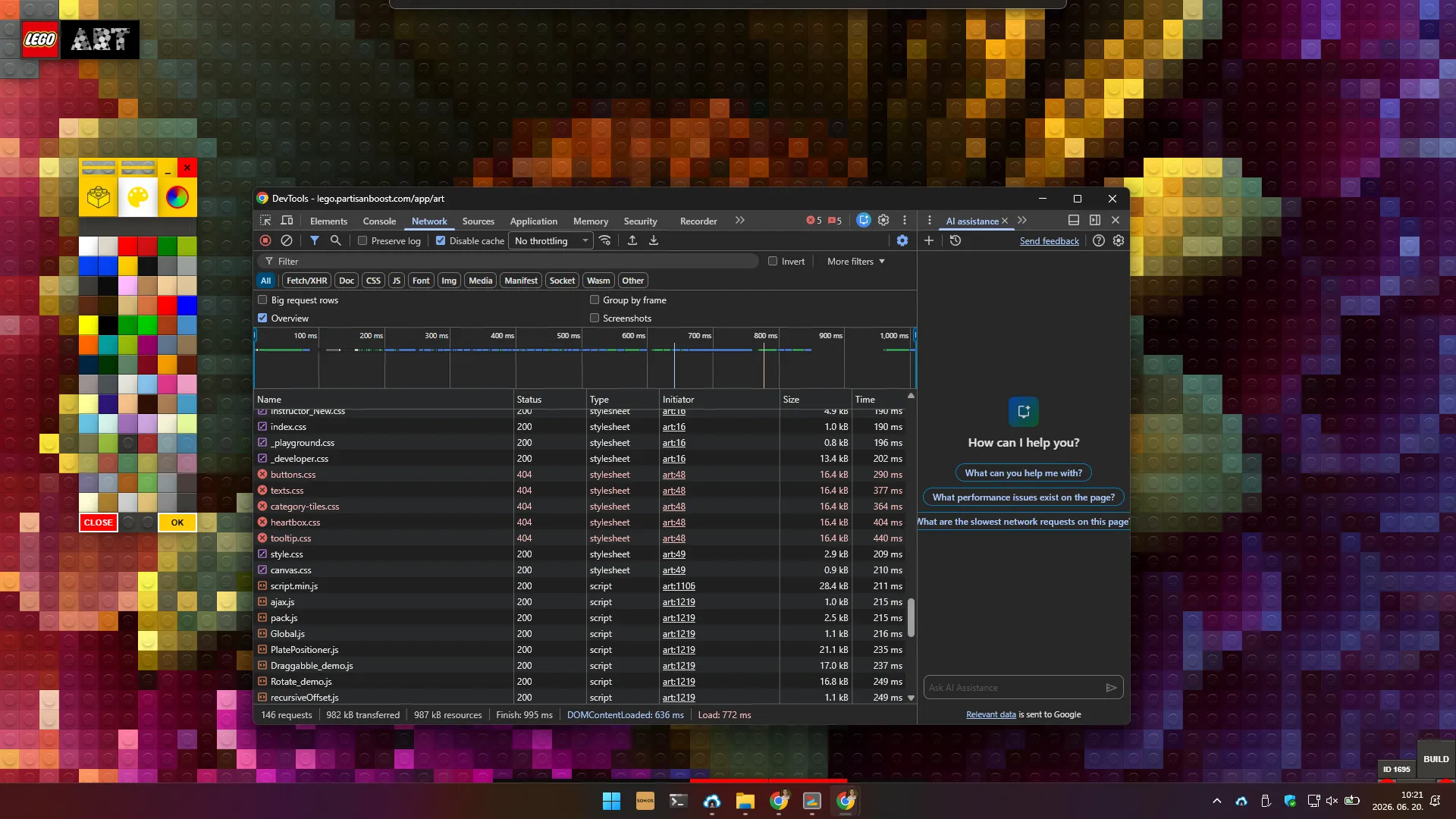
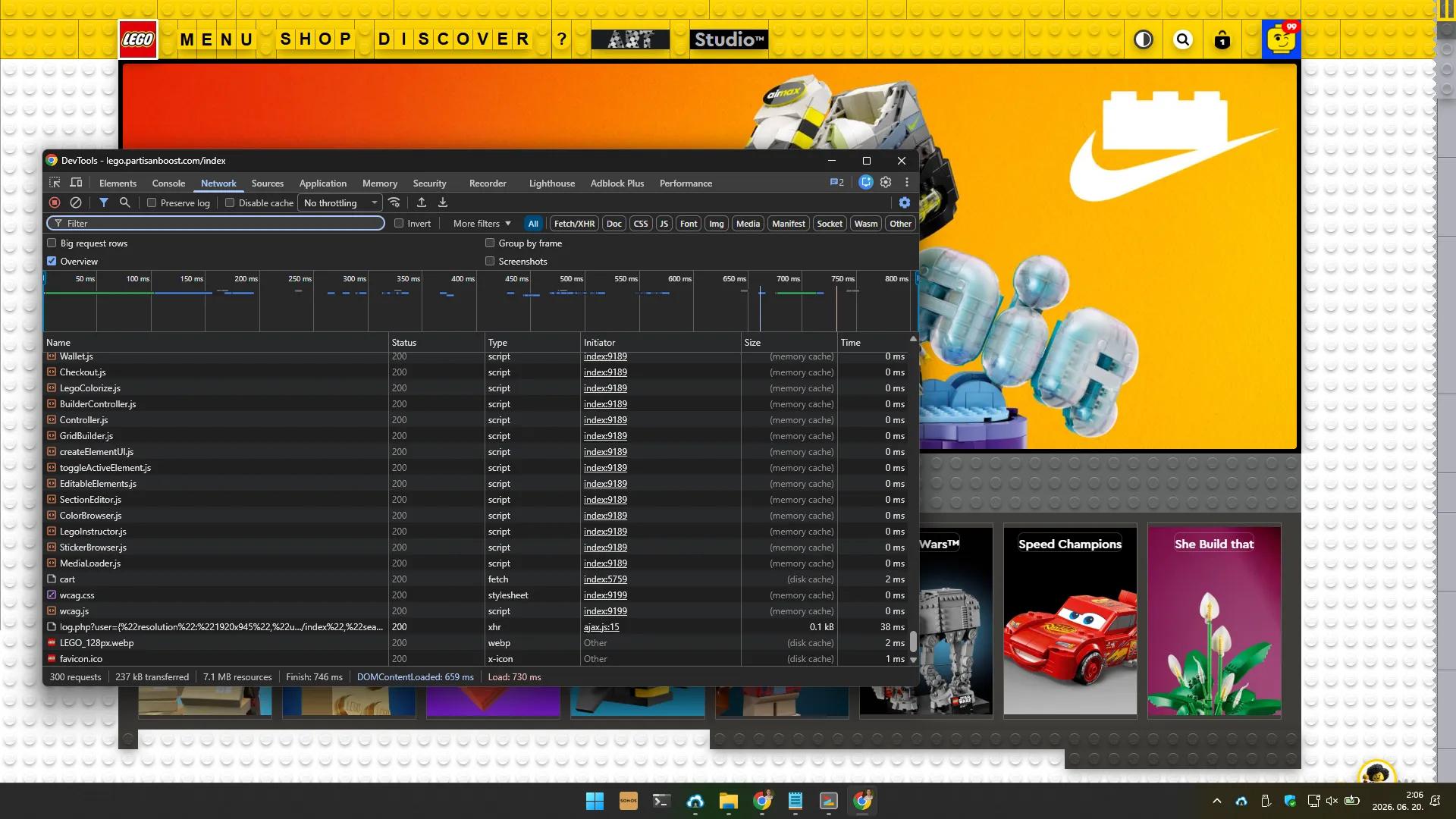
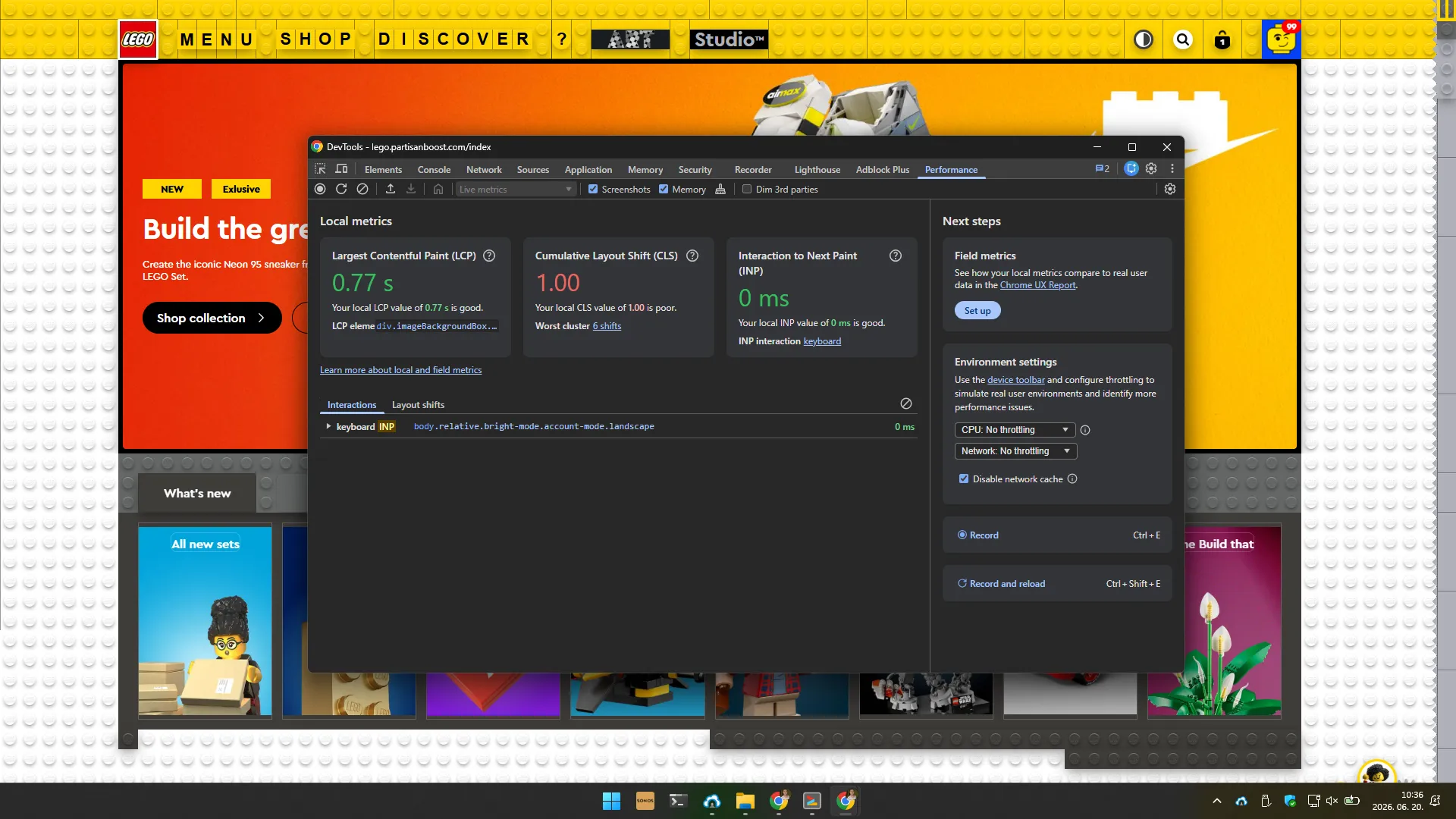
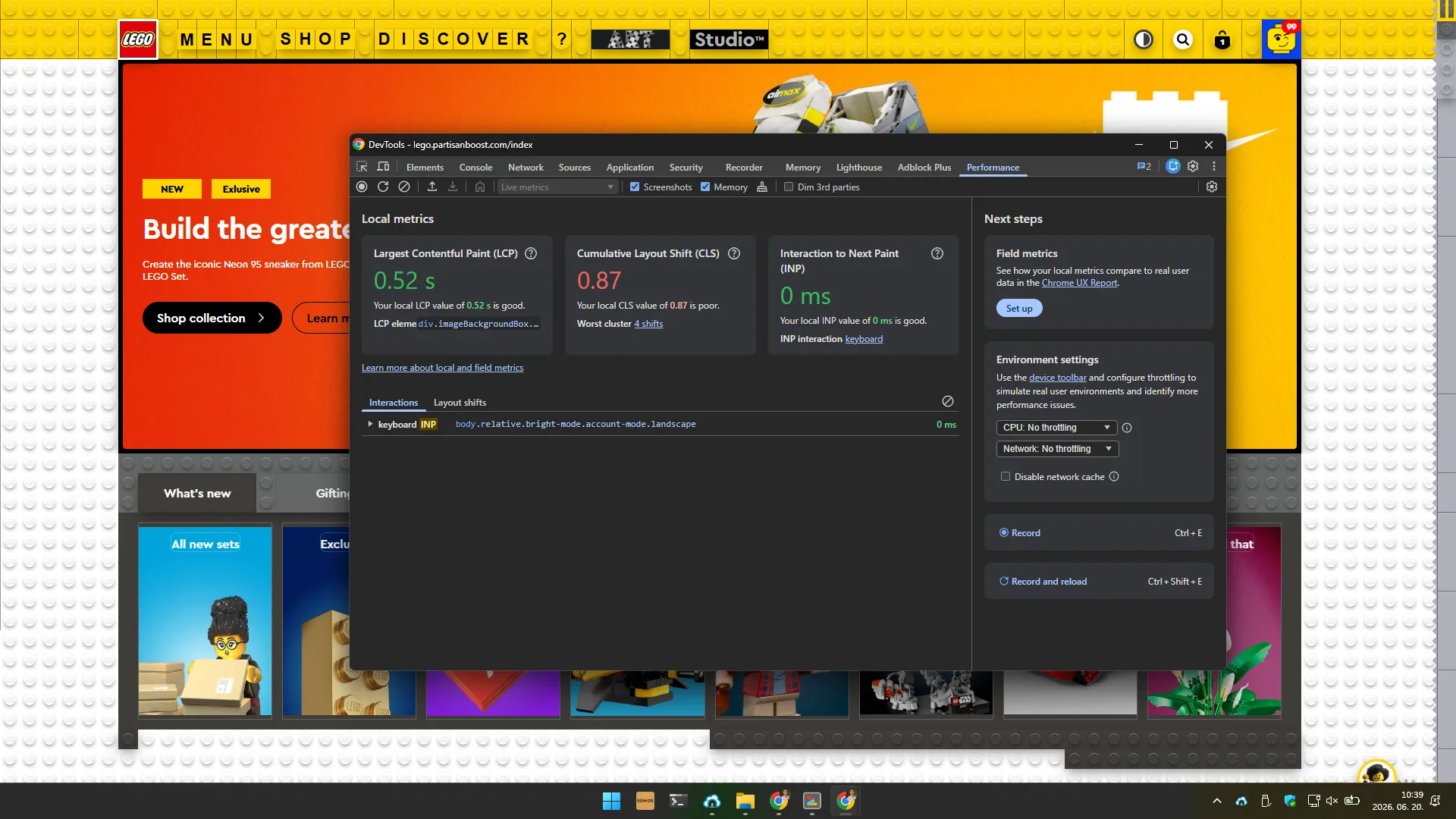
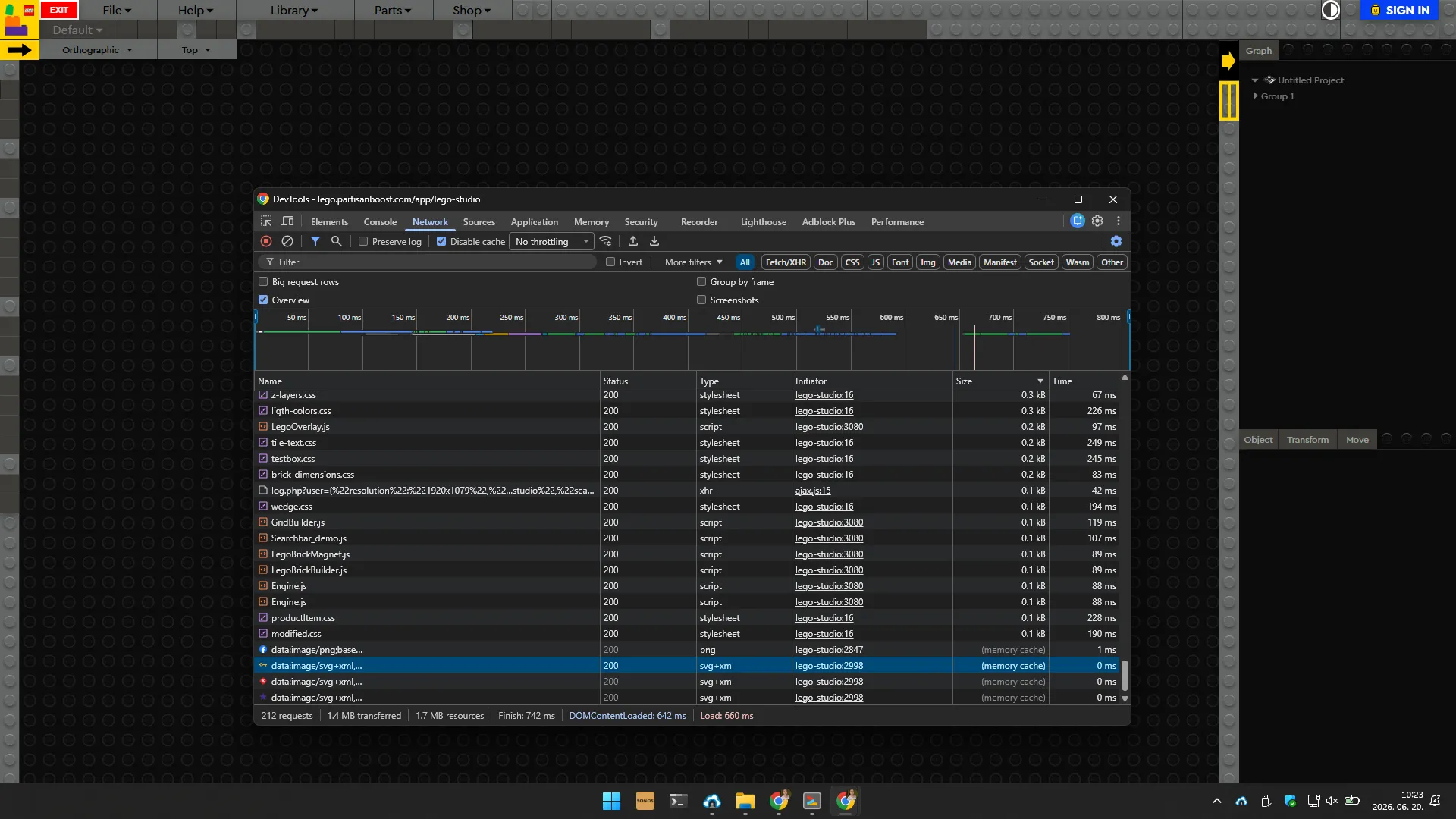
Performance auf Produktionsniveau – selbst in einem unverarbeiteten Development-Build.
Performance im Entwicklungsmodus
The performance metrics shown throughout this case study were recorded using a raw development build, not a production-optimized version.
At this stage, the project intentionally runs with:
- Unminified JavaScript and CSS files
- Separate modules instead of bundled assets
- Source comments and development code left intact
- Unoptimized images and media assets
- A DOM structure that has not yet undergone performance optimization
- All UI components rendered as individual DOM elements
In addition, every page currently loads significantly more modules and features than a production-ready release would require. The focus at this stage is rapid development, testing, and feature completeness rather than final optimization.
The production version is planned to include:
- Approximately 50% fewer DOM elements
- Per-page module loading
- Bundled and minified assets
- Optimized images and media/li>
- Additional architectural optimizations
Despite these intentionally unoptimized conditions, the project already delivers consistently strong loading and interaction metrics, demonstrating that performance is the result of the underlying architecture—not post-processing.
### Infrastruktur & Entwicklungsumgebung
The performance results presented in this case study were achieved under intentionally **non-optimized development conditions**, where neither the infrastructure nor the application has been tuned for maximum performance.
The entire project is currently hosted on a **single entry-level Hetzner VPS**. Every JavaScript file, CSS stylesheet, image, video, media asset, and application resource is served directly from this single server.
At the same time, this server is **shared with multiple SaaS applications**, meaning CPU time, memory, disk I/O, and network bandwidth are continuously shared across several independent projects.
No infrastructure-level performance optimizations have been applied, including:
- * No CDN (e.g. Cloudflare)
- * No edge caching
- * No distributed asset delivery
- * No dedicated asset server
- * No static site generation (SSG)
- * No server-side page caching
- * No production asset bundling or minification
From the application side, the project is equally unoptimized:
- * Unminified JavaScript and CSS
- * Separate source modules
- * Development comments preserved
- * Unoptimized images and media
- * A DOM structure that has not yet been optimized
- * Significantly more modules loaded than a production release would require
- ✓ Custom Rendering Engine
Despite these intentionally raw conditions, the application consistently delivers excellent loading and interaction metrics, including sub-second Largest Contentful Paint (LCP) on several pages.
These results demonstrate that performance is primarily driven by the application's architecture rather than by expensive infrastructure or aggressive post-processing optimizations.
In the production version, additional optimizations are planned, including reducing the DOM size by approximately 50%, per-page module loading, bundled and minified assets, optimized media, and further infrastructure improvements.
Performance starts with architecture, not optimization.
These results were achieved using a raw development build with unminified assets, unoptimized media, and significantly more modules than a production release would require.
Performance-Beispiele
LEGO® Art App (2 Bilder)
LEGO® Redesign Index (10+ Module – 3 Bilder)
LEGO® Home neu erstellt (3 Bilder)
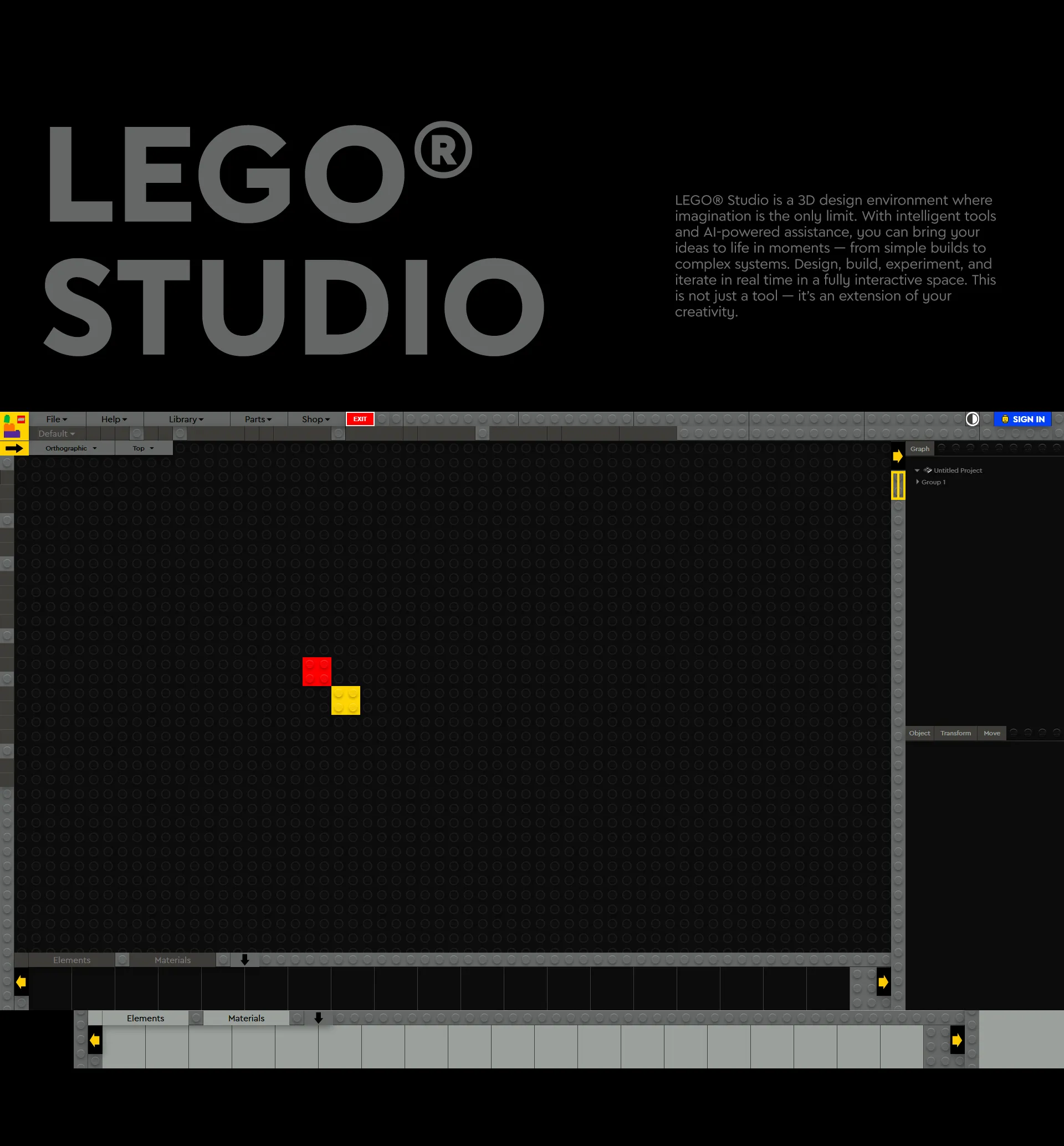
LEGO® Studio App (1 Bild)
Anti-KI-Projekt
Dieses Projekt ist zugleich ein Anti-KI-Projekt — nicht, weil es sich gegen KI richtet, sondern weil es zeigen soll, dass menschliche Kreativität, visuelles Denken und technische Präzision noch nicht ersetzbar sind.
Die heutigen KI-Systeme sind beeindruckend darin, in kürzester Zeit Code zu generieren, Komponenten zu erstellen und funktionierende Websites aufzubauen. Ein Projekt wie dieses stellt jedoch eine völlig andere Herausforderung dar. Es reicht nicht aus, dass der Code lediglich funktioniert. Das gesamte System muss technisch, visuell und strukturell konsistent sein.
Pixelgenauigkeit, eine komplexe DOM- und Rendering-Architektur, ein eigenes Build-System, WebGL, dynamische LEGO-Strukturen, responsive Rekonstruktion, Animationen, Interaktionen und hunderte kleine visuelle Entscheidungen müssen als Bestandteile eines einzigen konsistenten Gesamtsystems funktionieren.
Und genau das ist der Kern dieses Projekts: zu zeigen, dass die KI den Menschen noch nicht besiegt hat.
Eine KI kann einzelne Komponenten generieren. Sie kann einzelne Probleme lösen. Sie kann funktionierenden Code schreiben. Aber sie ist noch weit davon entfernt, ein System dieser Komplexität selbstständig von Anfang bis Ende zu entwickeln — mit derselben technischen Qualität, Pixelgenauigkeit, visuellen Konsistenz und kreativen Kohärenz.
Deshalb ist dieses Projekt für mich mehr als nur eine Website oder eine technologische Demonstration.
Es ist ein Beweis dafür, dass menschliches Denken, Kreativität und systemisches Design bei der komplexen digitalen Entwicklung weiterhin einen entscheidenden Vorteil darstellen, den die KI noch nicht vollständig reproduzieren kann.
Und vielleicht wird genau das dieses Projekt in einigen Jahren noch interessanter machen: Wenn eine KI tatsächlich in der Lage sein wird, dieselbe Komplexität, Präzision und kreative Konsistenz selbstständig zu reproduzieren, wird der Zeitpunkt gekommen sein, an dem man sagen kann, dass diese Grenze tatsächlich überschritten wurde.